
Bully Stick Wikipedia: Everything You Need to Know About This Chew
Posted by Greg C. on Jan 10, 2026
Bully Stick Wikipedia: Complete Encyclopedia Guide to Bull Pizzle Dog Treats
Introduction
Bully sticks are single-ingredient dog chews made from the dried penis of a bull or steer, known in the meat industry as pizzle. This article serves as a comprehensive, encyclopedia-style reference for understanding these widely popular natural dog treats, providing the depth of information you might expect from a Wikipedia page on the subject.
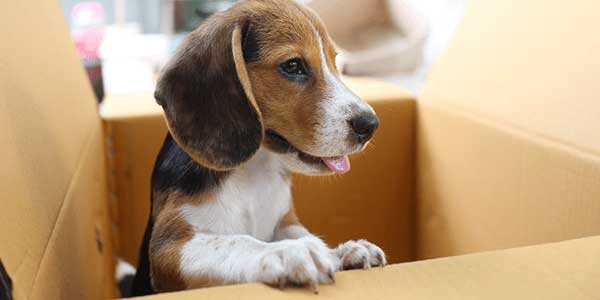
Bully sticks are often seen as cute, natural treats that many dogs enjoy chewing on, making them a favorite among pet owners.
This guide covers the etymology and history of bully sticks, the manufacturing process from raw materials to finished product, nutritional composition, safety considerations, and the cultural significance of bully sticks in modern times. The scope excludes detailed veterinary medical advice, which should always come from a qualified professional, but provides the factual foundation dog owners, veterinarians, and curious readers need.
Direct answer: Bully sticks are natural dog treats made from dried bull pizzle (the anatomical term for bull penises), with the term “pizzle” first documented in English texts during the 15th century. The modern bully stick emerged as a commercial pet product in the late 20th century, transforming what was once a butcher’s byproduct into a prized chew for dogs worldwide.
Many dog owners express concern about the smell of bully sticks, but most dogs seem to love them regardless.
After reading this article, you will understand:
-
The historical origins and etymology of pizzle and bully sticks
-
How manufacturers process raw bull pizzle into safe, shelf-stable dog chews
-
The nutritional profile and health benefits of bully sticks compared to alternatives
-
Proper safety protocols to prevent choking hazards and digestive issues
-
The cultural and market significance of natural bully sticks in the pet industry
Introduction to Dog Treats
Dog treats play a vital role in a dog’s daily life, offering not just a tasty reward but also mental stimulation, enrichment, and a way to reinforce positive behaviors. Among the many options available, bully sticks have become a standout choice for dog owners seeking natural, long-lasting treats. Made from bull pizzle—the anatomical term for bull penis—bully sticks are celebrated for their simplicity and health benefits. While the idea of using bull pizzle as a dog treat may seem unusual at first, this practice has deep roots in canine history and culture. For centuries, dogs have enjoyed the satisfaction and nutrition these unique chews provide. In this article, we explore the fascinating history of bully sticks, their role in a dog’s life, and why they have become a staple in the world of natural dog treats.
Understanding Bully Stick Fundamentals
Bully sticks are among the most popular natural dog treats globally, valued for their single-ingredient composition and high digestibility. Understanding what they are, where the terminology originated, and what they contain provides essential context for dog owners choosing bully sticks for their pets.
Etymology and Historical Definition
The word “pizzle” derives from Middle Low German “pēsel” and Flemish “pēzel,” both meaning sinew or tendon. The first recorded use of “pizzle” in English dates to the 15th century, initially referring to the penis of various animals—particularly bulls and oxen—used in butchery and leather work. While bully sticks are made from bull pizzle, other parts, such as tendons and even the animal's head, have also been used in other products.
Historically, dried pizzle served purposes beyond animal consumption. In some cultures, pizzle was processed into walking sticks or a flogging instrument, with the tough, dried beef tissue providing durability and flexibility. Dried neat’s tongue, like bull pizzle, was historically used for utilitarian purposes, and other animal parts served similar functions in daily life before modern materials became available.
The transition from historical dog chews to modern dog chews occurred gradually. By the 19th century, butchers commonly gave pizzle scraps to working dogs, recognizing that the tough, protein-rich tissue satisfied dogs’ natural chewing instincts. The commercial “bully stick” as we know it today emerged in pet specialty markets during the 1990s and 2000s.
Anatomical Source and Material Composition
Bull pizzle consists primarily of the corpus cavernosum—the erectile tissue of the bull’s reproductive organ—along with connective tissue, collagen, and muscle fibers. The organ features a characteristic sigmoid flexure (S-shaped bend) in its natural state, which straightens during manufacturing. Standard bully sticks typically measure 0.5-0.75 inches in diameter.
From a nutritional standpoint, properly processed bully sticks contain approximately 85% protein and 3% fat, making them one of the most protein-dense natural dog treats available. The beef muscle tissue provides a complete amino acid profile, supporting muscle development, brain function, and coat health in dogs. Bully sticks also provide essential minerals like calcium, magnesium, and phosphorus, which support bone and kidney health.
This anatomical material distinguishes bully sticks from other popular dog chews. Unlike rawhide (made from cattle hide), bones (skeletal tissue), or ears (cartilage), bully sticks are made from muscle tissue, which contributes to their reputation for superior digestibility. This fundamental difference in composition explains why many veterinarians recommend bully sticks over less digestible alternatives.
The high-protein, low-carbohydrate profile also makes bully sticks suitable for dogs with certain food sensitivities, though animals with beef allergies should avoid them entirely. A person choosing bully sticks may consider these nutritional and size factors when selecting treats for their dog.
Manufacturing and Production Process
The journey from raw bull pizzle to a finished bully stick involves several carefully controlled stages to create a high-quality product: sourcing, stretching, drying, and finishing. These steps ensure safety, palatability, and a long shelf life. Manufacturers must not wait too long before packaging bully sticks to reduce the risk of contamination. Understanding this process helps dog owners evaluate quality standards when selecting products.
Traditional Processing Methods
Manufacturing begins with sourcing pizzle from slaughterhouses, where it is collected as a byproduct of beef processing. Premium manufacturers emphasize sourcing from grass-fed, free-range cattle to meet growing consumer demand for ethical sourcing.
The four-stage cleaning process removes blood, fat, and residual tissue:
-
Initial rinse and inspection – Raw pizzle is washed and examined for quality
-
Fat trimming – Excess fat is carefully removed to reduce odor and improve consistency. During this stage, the pizzle may also be edited to remove undesirable parts, ensuring the safety and cleanliness of the final product.
-
Water soaking – Extended soaking softens the tissue and removes additional impurities
-
Natural stretching – The pizzle is straightened to uniform dimensions
After cleaning, the sticks are slow-baked at low temperatures for 20 or more hours. This extended drying process reduces moisture content to safe levels without requiring artificial preservatives or chemical treatments. Some manufacturers use air-drying methods, while others employ smoking techniques that add flavor complexity.
The finished product is then cut to standard length—typically 6 to 12 inches—and packaged for distribution. Properly processed bully sticks can achieve a shelf life of up to three years when stored correctly.
Quality Control and Safety Standards
In the United States, pet treats, including bully sticks, are subject to FDA oversight through the Center for Veterinary Medicine. Manufacturers must adhere to safety standards comparable to those for human-consumption products, including facility inspections and contamination-prevention protocols.
Quality control measures include:
-
USDA certification for facilities processing animal products
-
Bacterial testing for pathogens, including Salmonella and E. coli
-
Moisture content verification to prevent microbial growth
-
Packaging integrity checks to maintain product safety
Reputable brands provide transparency about sourcing, processing methods, and testing protocols. Some dog owners question the safety or origin of bully sticks, so it is important to choose products from reputable brands to address these concerns. Products manufactured in countries with strict regulatory oversight generally carry a lower risk of contamination than those from regions with less rigorous quality standards.
Types, Varieties, and Nutritional Analysis
The bully stick market has diversified significantly, offering products tailored to different dog sizes, chewing behaviors, and owner preferences. Some dog owners worry about how long bully sticks last and their safety, but choosing the right size and type can address these concerns. For example, extra-thick bully sticks last three times longer than regular ones due to their superior diameter and density. Additionally, bully sticks are less prone to splintering and blockage compared to rawhide. Understanding these variations helps pet owners select appropriate products.
Product Categorization by Size and Shape
Bully sticks come in multiple configurations designed for different purposes:
Standard straight sticks measure 6 to 12 inches in length and 0.5 to 1 inch in diameter. These suit most medium-sized dogs and moderate chewers, providing 15 to 30 minutes of chewing activity depending on the dog’s intensity.
Extra-thick varieties have diameters of 1.25 to 2 inches and contain approximately 280 to 320 calories per 12-inch stick. These long-lasting options are designed for large breeds and aggressive chewers who would consume standard sticks too quickly. Thicker, more durable chews can also help reduce anxiety in dogs by providing prolonged mental stimulation and a calming activity.
Braided and twisted configurations combine multiple thin pizzles into a single, more durable chew. The braided structure extends chewing time and provides a varied texture that helps remove plaque from teeth.
Ring shapes and specialty cuts offer alternative gripping options, particularly useful for dogs that struggle to hold straight sticks. Some manufacturers also produce wrapped varieties and combination products.
Nutritional Comparison Table
|
Criterion |
Bully Sticks |
Rawhide |
Synthetic Dental Chews |
|---|---|---|---|
|
Primary ingredient |
Beef pizzle (muscle) |
Cattle hide (collagen) |
Starch/plastic compounds |
|
Protein content |
80-90% |
60-80% |
10-30% |
|
Digestibility |
High |
Low to moderate |
Variable |
|
Calories per inch |
9-15 calories |
6-10 calories |
5-20 calories |
|
Artificial additives |
None (pure forms) |
Often present |
Usually present |
|
Choking risk |
Moderate (requires supervision) |
High (swelling) |
Low to moderate |
Bully sticks provide superior protein content and digestibility compared to both natural and synthetic alternatives. The amino acids present in beef muscle support multiple aspects of canine health, including muscle maintenance, cognitive function, and coat health. However, their caloric density requires attention to portion control.
Dog owners should factor bully stick calories into daily feeding calculations, particularly for smaller breeds or dogs prone to weight gain.
Health Benefits of Bully Sticks
Bully sticks, crafted from natural bull pizzle, deliver a wide range of health benefits that make them a top choice for dog owners seeking the best for their pets. As a single-ingredient dog chew, bully sticks are packed with high-quality protein and essential amino acids, which are vital for supporting muscle development, maintaining a shiny coat, and boosting immune function. The natural composition of bully sticks ensures that dogs receive a wholesome treat without unnecessary additives, aligning with the highest quality standards and ethical sourcing practices.
One of the standout health benefits of bully sticks is their positive impact on dental health. The act of chewing on these tough, fibrous treats helps scrape away plaque and tartar from your dog’s teeth, reducing the risk of gum disease and promoting fresher breath. The unique texture of bully sticks also massages the gums, supporting overall oral hygiene and reducing the need for frequent dental cleanings. For dog owners, this means a natural way to support their dog’s dental health while providing a treat that dogs genuinely enjoy.
Beyond nutrition and dental care, bully sticks play a crucial role in managing destructive behaviors and anxiety. Dogs have a natural instinct to chew, and providing a long-lasting, satisfying chew like a bully stick can help redirect that energy away from household items such as furniture or shoes. The mental stimulation and sense of fulfillment that come from working on a bully stick can also help reduce anxiety and stress, making daily life more enjoyable for both dogs and their owners.
Choosing bully sticks made from grass-fed, free-range cattle ensures not only superior nutritional value but also supports ethical sourcing and sustainable practices. In modern times, dog owners are increasingly aware of the importance of transparency and product quality when selecting products for their pets. Natural bully sticks are a safe alternative to rawhide and bones, as they are fully digestible and less likely to pose a choking hazard when used responsibly.
The combination of high protein content, essential amino acids, and a tough, fibrous texture makes bully sticks a prized treat among dog chews. By incorporating bully sticks into your dog’s routine, you can help maintain their coat health, support strong muscles, and provide a healthy outlet for their chewing instincts. Whether you’re looking to improve your dog’s dental health, reduce destructive behaviors, or simply offer a natural, long-lasting treat, bully sticks are an excellent choice that supports your dog’s overall well-being and daily life.
In summary, bully sticks offer a unique combination of health benefits, safety, and satisfaction for dogs of all ages and sizes. By choosing natural bully sticks that meet high-quality standards and are ethically sourced, dog owners can provide their pets with a healthy, enjoyable chew that promotes dental health, reduces anxiety, and supports a happy, active life.
Safety Considerations and Proper Usage
While bully sticks offer numerous health benefits over alternative chews, responsible use requires attention to several safety factors. Proper supervision and selection minimize risk while maximizing the positive aspects of these natural treats.
During chew sessions, always keep your dog within sight and sound so you can monitor their behavior and respond quickly to any safety concerns, such as choking or swallowing large pieces.
For storage and hygiene, remember that outdoor chewing can expose bully sticks to dirt and bacteria. It's best to provide designated chew spots to help prevent contamination and ensure your dog's safety.
Additionally, you may want to write notes or observations about your dog's chewing habits to track their safety and preferences over time.
Choking Hazard Prevention
Choking hazards represent the primary safety concern with any dog chew. Guidelines for minimizing this risk include:
Size selection should be based on the dog’s jaw width and molar measurement. The bully stick should be thick enough that the dog cannot fit the entire diameter in their mouth, and long enough that swallowing becomes impossible during normal chewing.
Supervision protocols require monitoring dogs during chewing sessions. Remove any bully stick that has been chewed down to less than 2 inches, as pieces this small pose a choking hazard.
Splintering recognition involves watching for unusual breakdown patterns. Quality bully sticks should soften and fray rather than break into hard, sharp fragments. Products that splinter into concerning pieces should be discarded immediately.
Bully stick holders—clamp-style devices that grip the end of the stick—provide an additional safety layer by preventing dogs from accessing the final stub.
Digestive Safety and Portion Control
Even highly digestible chews can cause trouble if consumed too quickly or in excessive quantities.
Initial introduction periods of 15 to 20 minutes allow you to watch how a new dog responds to bully sticks. Some dogs experience soft stools or mild digestive upset when first introduced to high-protein chews.
Daily intake recommendations suggest limiting bully stick consumption to account for its caloric contribution. A single 6-inch stick may represent a significant portion of a small dog’s daily caloric needs.
Signs of digestive upset include vomiting, diarrhea, excessive gas, or loss of appetite. If these symptoms appear, discontinue bully stick use and consult a veterinarian.
Storage and Preservation Guidelines
Proper storage maintains product safety and quality:
-
Store in cool, dry environments away from direct sunlight and moisture
-
Refrigerate partially consumed sticks and discard within one week
-
Inspect stored products regularly for mold growth, unusual odor, or texture changes
-
Keep bully sticks in sealed containers separate from human food items
Owners should also wash their hands after handling bully sticks, as raw or minimally processed animal products can carry bacteria transmissible to humans.
Choosing the Right Treat
Selecting the best treat for your dog involves more than just picking something tasty off the shelf. Dog owners should consider their pet’s age, size, breed, and specific dietary requirements when choosing bully sticks or any other treat. Natural bully sticks, made from single-ingredient beef pizzle, are an excellent option for dogs that love to chew. They offer a rich source of protein, essential vitamins, and minerals, supporting overall health and well-being. When choosing bully sticks, pay attention to the length and thickness of the stick to match your dog’s chewing style and jaw strength. Opt for high-quality, natural bully sticks that are free from artificial additives to ensure your dog receives the full health benefits. By carefully selecting the right bully stick, dog owners can provide a safe, satisfying, and nutritious chew that supports their dog’s daily life.
Maximizing Chew Time
To get the most out of bully sticks, dog owners can use a few simple strategies to maximize chew time and keep their pups engaged. Freezing bully sticks before giving them to your dog makes the treat harder and more challenging, especially for strong chewers who might otherwise finish a stick quickly. Rotating bully sticks of different types and offering a variety of textures and flavors can help maintain your dog’s interest and prevent boredom. By extending chew time, you not only provide your dog with a fun and rewarding activity but also help reduce destructive behaviors around the house. Regular chewing on bully sticks can promote coat health, support dental hygiene, and offer a positive outlet for your dog’s natural instincts. With a little creativity, you can make each bully stick last longer and enhance your dog’s quality of life.
Human Consumption of Bull Pizzles
While bully sticks are primarily designed as dog treats, there is a long-standing tradition in some cultures of consuming bull pizzles as a protein source. In modern times, however, bull pizzles are rarely intended for human consumption, and their use as food is mostly limited to traditional or ceremonial practices. Some proponents claim purported health benefits from eating bull pizzles, such as high levels of amino acids and protein, but scientific research on these claims remains limited. For those considering the human consumption of bull pizzles, it is crucial to prioritize ethical sourcing, adhere to strict quality standards, and follow safety protocols to minimize health risks. Ultimately, while bully sticks remain a prized treat for dogs, their place in human diets is now largely historical and cultural rather than a part of everyday life.
Cultural Impact and Market Significance
Bully sticks have evolved from a historical curiosity to a mainstream pet industry staple, reflecting broader shifts in how dog owners approach pet nutrition and care.
The natural pet treat market has experienced substantial growth, with bully sticks representing a significant segment. This expansion reflects increasing consumer preference for single-ingredient, minimally processed alternatives to synthetic treats. Dog owners increasingly prioritize knowing exactly what goes into their pets’ food and treats.
Many dog owners also post reviews and share their experiences with bully sticks in online communities and forums, influencing market perception and helping others make informed choices.
Ethical sourcing movements have significantly influenced the bully stick market. Many manufacturers now emphasize grass-fed, free-range cattle sources, transparent supply chains, and humane slaughter practices. These considerations mirror trends in human consumption of beef products.
The environmental argument for bully sticks centers on the utilization of byproducts. By converting a slaughter byproduct into a valuable pet product, the industry reduces waste from cattle processing. This nose-to-tail philosophy aligns with sustainability-focused consumer values.
Veterinary communities have increasingly recognized bully sticks for their dental health benefits. The mechanical action of chewing helps remove plaque and tartar from teeth, complementing regular dental care. While not a substitute for professional cleaning or brushing, bully sticks contribute to oral health maintenance.
Cultural squeamishness about the anatomical source remains an interesting phenomenon. Many dog owners express surprise—and sometimes discomfort—upon learning that bully sticks are made from bull penises. This reaction has influenced marketing terminology, with brands preferring euphemisms like “beef pizzle” or “bull stick” over more explicit descriptions.
Frequently Asked Questions
What exactly are bully sticks made from?
Bully sticks are made from dried bull penis, known technically as pizzle. The manufacturing process involves cleaning, stretching, and slow-drying this single beef ingredient without artificial additives or preservatives.
How long do bully sticks typically last for different dog sizes?
Duration varies significantly by dog size and chewing intensity. Small dogs may take 30 to 60 minutes to finish a standard 6-inch bully stick, while large, aggressive chewers might finish the same stick in 10 to 15 minutes. Extra-thick or braided varieties extend chewing time for powerful chewers.
Are bully sticks safer than rawhide chews for dogs?
Generally, yes. Bully sticks are more digestible than rawhide, which can swell in the digestive tract and cause blockages. However, all chews carry some risk, and supervision remains essential regardless of the product type.
What should I do if my dog swallows a large piece of a bully stick?
Monitor your dog closely for signs of distress, choking, or digestive obstruction (vomiting, inability to defecate, abdominal pain, lethargy). While bully sticks digest more readily than many alternatives, large pieces can still cause issues. Contact your veterinarian immediately if concerning symptoms appear.
How can I tell if a bully stick is high quality and ethically sourced?
Look for products with single-ingredient labels (only beef pizzle listed), clear country-of-origin information, grass-fed or free-range sourcing claims, and transparency about manufacturing processes. Reputable brands provide detailed information about their supply chain and quality standards. Avoid products with multiple ingredients, artificial additives, or vague sourcing descriptions.