
Discover the Best Bull Pizzle Walking Stick: Unique and Stylish Canes
Posted by Greg C. on Jan 23, 2026
Bull Pizzle Walking Stick: Complete Guide to Authentic and Replica Options
Introduction
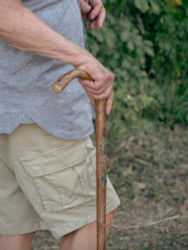
A bull pizzle walking stick is a functional walking aid crafted from the dried penis of a bull, reinforced with an internal metal rod for structural integrity, then cured, lacquered, and finished to create a durable and distinctive cane. These unique items transform a bovine reproductive organ into a practical mobility tool that serves collectors, outdoor enthusiasts, and anyone seeking an unconventional walking companion. These canes are regarded as pieces of Western Americana and are often considered conversation pieces or collector's items.
This guide covers everything you need to understand about bull pizzle walking sticks, from authentic construction methods to replica alternatives, quality assessment criteria, and practical maintenance considerations. Each cane features unique natural variations in thickness, grain, and shape, making every piece one-of-a-kind. Whether you’re a collector drawn to the history behind these pieces, a hiker seeking lightweight gear, or simply curious about this conversation piece, you’ll find relevant information to make an informed choice.
Direct answer: Bull pizzle walking sticks are walking aids made from dried bull penis material, available in both authentic (genuine animal-derived) and replica (polypropylene or synthetic) versions, with authentic models typically priced between $50 and $ 150, depending on length, handle materials, and craftsmanship quality. These canes are available to the public through various craftspeople and retailers.
By the end of this guide, you will:
-
Understand the materials and construction methods behind authentic bull pizzle canes
-
Know how to evaluate quality and distinguish authentic from replica options
-
Learn proper sizing and style selection for your intended use
-
Gain maintenance knowledge to preserve your walking stick for years
-
Find guidance on purchasing from reputable craftspeople like Ross Taylor Originals
Understanding Bull Pizzle Walking Sticks
Bull pizzle walking sticks represent a unique intersection of natural materials, skilled craftsmanship, and historical significance. Understanding what makes these items distinctive requires exploring both the raw material and its transformation into a functional walking aid.
What is Bull Pizzle
Bull pizzle refers to the dried penis of a bull—the term “pizzle” derives from Middle English, itself borrowed from Low German pesel or Flemish Dutch pezel, meaning a diminutive of “sinew.” This reproductive organ, when sourced from slaughtered cattle, contains dense muscle tissue rich in collagen and elastin, yielding remarkable tensile strength when properly dehydrated.
The natural properties of bull pizzle make it surprisingly well-suited for the construction of walking sticks. When dried using taxidermy techniques, the material hardens sufficiently to bear significant weight while maintaining a natural circumference of 1-2 inches that tapers elegantly for ergonomic handling. The finished piece exhibits characteristics similar to polished leather or horn, with a natural beauty that develops an attractive patina over time.
Historically, bull pizzle canes can be traced back to Ancient Egypt, where archaeological evidence suggests they served as both status symbols and practical mobility aids. This ancient application continued through history, with notable figures including gunslinger Doc Holliday, lawman Bat Masterson, and heavyweight boxing champion Jack Dempsey reportedly carrying pizzle walking sticks, valuing their lightweight yet sturdy construction.
Walking Stick Applications
As functional mobility aids, bull pizzle walking sticks offer genuine utility for hikers and those who require walking support. The typical 8-12-ounce weight makes them considerably lighter than oak equivalents, while the reinforced metal core provides rigidity comparable to traditional wooden canes, supporting loads up to 250 pounds.
Beyond practical use, these items serve as remarkable conversation pieces and collectibles. The unique origin story, combined with connections to historical figures and the craftsmanship involved in their creation, makes each piece a talking point. Collectors around the world seek them for their novelty value, historical significance, and the natural beauty of the finished product.
Modern enthusiasts, particularly in rural Australia and the American Midwest, pair these walking sticks with bushcraft activities. They appreciate how the natural grip texture improves with age, unlike synthetic alternatives that wear smooth over time.
History and Origins
The story of the bull penis walking cane stretches back thousands of years, with its roots in ancient Egypt where these unique canes were seen as powerful symbols of authority and status. Crafted from the bull pizzle—the reproductive organ of the bull—these canes were valued not only for their durability but also for their natural beauty and the statement they made about their owner’s place in society. Over time, the tradition of making walking sticks from bull penis spread across cultures, with farmers and cattle ranchers in particular embracing the practice as a way to make use of every part of the animal and reduce waste.
In more recent history, artisans like Ross Taylor have continued this legacy, bringing a high standard of quality and craftsmanship to each piece. Inspired by his great-grandfather, John Taylor, Ross Taylor has been making bull pizzle canes in West Jordan, Utah, ensuring that each stick is both a functional tool and a work of art. Today, these canes are celebrated for their unique history, the skill required to make them, and the natural beauty of the finished product. Whether carried for practical reasons or collected for their historical significance, bull penis canes remain a testament to ingenuity and tradition.
Types and Styles of Bull Pizzle Walking Sticks
The variety of bull pizzle walking sticks available today ranges from authentic constructions to high-quality replicas, with numerous handle options and customization options to suit different tastes and budgets.
Authentic vs Replica Options
Authentic bull pizzle walking sticks use genuine dried bull penis as the primary shaft material. The manufacturing process involves draining blood and fluids to minimize odor, controlled low-temperature curing (around 100-120°F) over several weeks, insertion of a metal reinforcement rod (typically steel or aluminum), and multiple coats of lacquer to achieve weather resistance and a polished appearance.
Some craftspeople use bison pizzle for subtle differences in density and flexibility due to the larger animal’s muscle structure. Thinner “junior” variants come from steers (castrated males), while full bulls provide thicker stock for those preferring a more substantial cane.
Replica models typically use polypropylene or other synthetic materials molded and finished to mimic the authentic appearance. While lacking the genuine article’s natural properties and historical authenticity, quality replicas offer a consistent appearance, no concerns about organic odor, and often lower price points. These prove useful for customers who want the unique style without committing to authentic materials.
Although bull pizzle is also commonly used to make dog treats known as bully sticks, bull pizzle walking sticks are crafted specifically for durability and appearance, not for canine consumption.
Handle Varieties
Handle choice significantly impacts both the aesthetics and functionality of a bull pizzle walking stick. Common handle materials include:
-
Deer antler: A natural complement that maintains the organic theme, often sourced from shed antlers
-
Wood: Traditional options, including exotic hardwoods that add visual contrast
-
Brass and chrome: Metal handles offering durability and a polished appearance
-
Resin: Allows for custom shapes and embedded items
Many craftspeople, including Ross Taylor Originals, offer customization with coins, arrowheads, and personal items embedded in the handle. This allows each person to create a truly unique piece reflecting their interests or history.
Size and Length Considerations
Standard bull pizzle walking sticks range from 32-36 inches in length, with the natural pizzle typically measuring 12-24 inches when processed before handle and ferrule additions. Proper sizing depends on the user's height and the intended application.
For mobility support, the handle should reach the crease of your wrist when standing with arms relaxed at your sides. Hiking applications may benefit from slightly longer models for terrain navigation, while display pieces can prioritize aesthetic proportions over ergonomic fit.
Weight distribution matters as much as length—quality construction ensures balance between the handle and ferrule, making the walking stick comfortable for extended use rather than top-heavy or unwieldy.
Decorative Use
Bull penis canes are more than just practical walking aids—they are striking decorative pieces that add a sense of natural beauty and history to any space. Many customers choose to display these canes as part of their home décor, where their unique origins and craftsmanship become instant conversation starters. Whether showcased in a collector’s cabinet or prominently displayed in a living room, these canes make a bold statement and add a touch of elegance.
The variety of available models, such as the Elk Antler Handle Cane or Arrowhead Canes, means there’s a style to suit every taste. Handles crafted from antler, wood, brass, or chrome add further distinction, allowing each person to find a cane that reflects their personality. For those who appreciate items with a story, a bull penis cane is a unique addition that not only honors history but also offers a talking point for guests and visitors. With so many options, customers can easily find a model that adds both beauty and intrigue to their collection or décor.
Selection and Quality Assessment
Evaluating a bull pizzle walking stick requires understanding what distinguishes quality craftsmanship from inferior products. Whether you purchase authentic or replica models, a systematic assessment helps ensure satisfaction with your investment.
Quality Evaluation Process
Before purchasing, follow this evaluation process to assess any bull pizzle walking stick:
-
Inspect material authenticity and processing quality: Examine the shaft for uniform curing, consistent coloration, and absence of cracks or soft spots that indicate incomplete drying
-
Evaluate handle attachment and stability: Test the connection between handle and shaft—quality pieces feature secure bonding with no wobble or rotation
-
Test weight distribution and balance: Hold the stick at the handle and assess whether it feels balanced; the reinforced metal core should provide even weight distribution
-
Check finish quality and odor treatment: Run your hand along the lacquered surface, checking for smoothness and consistency; a properly processed stick should have minimal organic scent
Material Comparison
|
Criterion |
Authentic Bull Pizzle |
Polypropylene Replica |
Traditional Wood |
|---|---|---|---|
|
Durability |
10+ years with care |
5-7 years typical |
10-15 years |
|
Authenticity |
Genuine historical material |
Appearance only |
Different tradition |
|
Weight |
8-12 ounces |
10-14 ounces |
1-1.5 pounds/foot |
|
Maintenance |
Periodic lacquer touch-up |
Minimal |
Regular treatment |
|
Cost |
$50-150 typical |
$25-75 |
$30-200+ |
For those prioritizing historical authenticity and natural beauty, genuine bull pizzle offers the most compelling choice. Customers seeking lower maintenance and a consistent appearance might find replicas more practical. Traditional wooden canes provide greater aesthetic variety through grain patterns, but weigh considerably more.
Dehydrating Process
The transformation of a bull penis into a durable walking stick or bully stick begins with a careful dehydration process. Immediately after removal, the bull penis is cleaned and prepared to preserve its structure and minimize odor. This process is essential for both canes and bully sticks, as it helps to eliminate the strong, often sweaty or yeast-like scent naturally associated with the material.
Artisans like Ross Taylor Originals take extra steps to ensure quality and longevity. After dehydration, the canes may be heavily lacquered or dipped in resin, sealing the surface and further reducing any residual odor. This not only preserves the natural beauty of the bull penis but also creates a smooth, long-lasting finish that stands up to regular use. The result is a cane or bully stick that is both practical and pleasant to handle, whether it’s destined for a collector’s shelf or a dog’s treat jar.
Benefits of Ownership
Owning a bull penis cane or walking stick offers a range of unique benefits. First and foremost, these canes are true conversation pieces—few items can match their combination of natural beauty, historical significance, and distinctive origin. They make unforgettable gifts for the person who has everything, and their story is sure to intrigue friends and family alike.
Beyond their novelty, bull penis canes are built for durability and practicality, making them a great choice for anyone seeking a reliable walking aid. The variety of available models and styles means customers can choose a cane that perfectly matches their needs and preferences, whether they prefer a simple, classic stick or one adorned with unique items like an Indian Head penny or Buffalo nickel. With their blend of function, history, and style, bull penis canes are a great addition to any collection and a practical tool for everyday use.
Collecting Walking Sticks
For many enthusiasts, collecting walking sticks—including bull penis canes—becomes a rewarding and enjoyable hobby. The world of walking stick collecting offers a wide variety of models, each with its own unique story and craftsmanship. Ross Taylor Originals, for example, features collectible canes such as the Buffalo Nickel Cane and the 4 Buffalo Coin Cane, which incorporate authentic U.S. government-minted buffalo nickels for added historical value.
Collectors appreciate the natural beauty and individuality of each bull penis cane, as no two sticks are exactly alike. Whether you’re just starting your collection or looking to add another standout piece, these canes offer a blend of history, artistry, and conversation-starting appeal. With so many styles, handles, and decorative options to choose from, you can continue to expand your collection, selecting from a variety of canes, walking sticks, and even bully sticks—each one a testament to the enduring appeal of this unique tradition.
Common Challenges and Solutions
Understanding typical concerns helps buyers make informed decisions and maintain their walking sticks properly over time. Some people might think that bull pizzle walking sticks are unusual or even a joke at first glance, based on their appearance or origin.
Odor Management
Properly processed bull pizzle walking sticks should have minimal organic scent, achieved through thorough drying and multiple lacquer coats. If you detect odor, it may indicate incomplete processing or lacquer degradation.
Store your walking stick in a cool, dry location away from direct humidity. If scent develops over time, a fresh coat of polyurethane sealant typically resolves the issue. Unlike bully sticks made for dogs (which undergo oven-drying at 165°F to eliminate odor), cane processing prioritizes structural integrity, so some organic scent may persist in damp conditions.
Durability and Maintenance
To preserve your bull pizzle walking stick for the 10+ year lifespan, quality examples can achieve:
-
Inspect the metal reinforcement periodically for corrosion, particularly if used in damp climates
-
Apply fresh lacquer annually or when the finish appears worn
-
Store upright in a dry location to prevent warping
-
Avoid prolonged exposure to standing water, which can penetrate even sealed surfaces
The primary durability concern involves internal metal rod corrosion after 5-7 years in consistently humid environments, which can cause brittleness or cracking from the inside.
Social Acceptance
Some people may find bull pizzle walking sticks surprising or uncomfortable when they learn of their material origin. Present your walking stick as an example of traditional craftsmanship and a historical artifact rather than focusing on anatomical details.
Appropriate settings include outdoor activities, collector gatherings, and casual social situations where the unique history can be appreciated. Having knowledge about figures like Doc Holliday and Jack Dempsey, who carried similar items, provides great context for those curious about your choice.
Conclusion and Next Steps
Bull pizzle walking sticks offer a unique combination of natural materials, historical significance, and functional utility that synthetic alternatives cannot replicate. Whether you choose an authentic piece from a skilled craftsperson or a quality replica that captures the style without organic materials, understanding construction quality, proper sizing, and maintenance requirements ensures long-term satisfaction.
Immediate next steps:
-
Measure your proper walking stick height (wrist crease when standing)
-
Research reputable craftspeople like Ross Taylor Originals, who specialize in authentic construction
-
Set your budget, considering that quality, authentic pieces typically range from $50 to $150
-
Decide between authentic and replica based on your priorities for natural beauty versus maintenance simplicity
Related topics worth exploring include general walking stick maintenance practices, collecting antique canes and their valuation, and outdoor hiking gear that complements distinctive walking aids.
Additional Resources
Proper Sizing Guide:
-
Measure from the floor to the wrist crease with arms relaxed
-
Standard range: 32-36 inches covers most adults
-
Add 1-2 inches for steep terrain hiking use
-
Subtract 1 inch for indoor or flat-surface use
Care and Maintenance Best Practices:
-
Annual lacquer inspection and touch-up as needed
-
Store vertically in a climate-controlled space
-
Clean with a dry cloth; avoid water or wet cleaning solutions
-
Inspect metal core connection points for stability quarterly
Finding Quality Craftspeople: Ross Taylor and similar artisans offer custom orders with handle personalization options. Expect 2-4 weeks for production of custom pieces. Visit craft marketplaces and specialty outdoor retailers, or contact taxidermists in agricultural regions who may provide these items or offer referrals to specialists.