
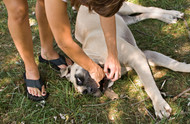
Do Dogs Choke on Bully Sticks? Important Safety Guidelines for Owners
Posted by Greg C. on Feb 26, 2026
Do Dogs Choke on Bully Sticks? Essential Safety Guide for Pet Owners
Introduction
Dogs can choke on bully sticks, and understanding this risk is essential for every pet parent who wants their furry friend to chew safely. While bully sticks remain one of the most popular single-ingredient chews on the market, the potential risks associated with improper use deserve serious attention from dog owners. To avoid choking hazards, always supervise your dog while chewing and choose dog-safe treats by selecting the right bully stick size for your pet.
This guide covers choking risks, prevention strategies, emergency response protocols, and safe usage practices for bully sticks. Whether you’re a pet owner considering bully sticks for the first time or already using them and want to ensure your dog's safety, this comprehensive resource addresses your concerns directly and prioritizes your dog's safety throughout.
Short answer: Dogs choke on bully sticks when they swallow large pieces or chew down to small nubs that can lodge in their throat or digestive tract. However, proper precautions significantly reduce this risk, allowing most dogs to safely enjoy these natural chews.
By the end of this guide, you will:
-
Recognize physical and behavioral signs of choking in dogs
-
Choose the right size bully stick for your dog’s size and chewing style
-
Implement proven safety measures, including bully stick holders and supervision techniques
-
Respond effectively to choking emergencies
-
Establish long-term prevention strategies for peace of mind
Bully sticks are made from the beef muscle of a bull's penis, and understanding what bully sticks (bull pizzle) are and how they’re made helps explain why they’re considered a natural and highly digestible option for dogs. When used in moderation and with proper supervision, bully sticks can be a nutritious addition to your dog's diet.
Understanding Bully Stick Choking Risks
A bully stick is a single-ingredient chew made from dried beef pizzle, processed through low-temperature dehydration to preserve natural proteins while remaining highly digestible. Unlike rawhide, which can expand in a dog’s stomach and cause gastrointestinal blockage, bully sticks break down naturally during digestion. Bully sticks are easier on a dog's stomach and reduce the risk of intestinal issues compared to less digestible treats, though owners should still understand what happens if a bully stick is swallowed and whether it dissolves. However, the way dogs chew these treats creates specific choking hazards that pet parents must understand.
What Makes Bully Sticks a Choking Hazard
When dogs chew on bully sticks, the mechanical action of their teeth gradually softens and breaks down the material. This process supports dental health by removing plaque buildup and tartar, but it also creates potential risks. As the stick softens, aggressive chewers can fracture off large chunks that become swallowed before proper breakdown occurs.
The most significant concern is the “nub problem.” After prolonged gnawing, the bully stick reduces to a small piece—typically under 2.5 to 3 inches—that becomes small enough to swallow whole. This final segment can lodge in the throat or cause digestive blockages requiring emergency surgery. Dogs love bully sticks, so they often refuse to let go of the last bit, creating a dangerous situation in which the risk of choking is highest.
A dog's natural chewing instincts drive them to continue working on the stick until nothing remains, making supervision essential during every chew time session.
Most Vulnerable Dog Types
Not all dogs face equal choking risk. Understanding which dogs require extra vigilance helps pet owners implement appropriate safety measures:
Aggressive chewers who break off large pieces rapidly present the highest risk. These power chewers—common among retrievers and terriers—can fracture thicker sticks into hazardous chunks within minutes.
Smaller dogs face proportionally greater danger because their airways are narrower, meaning even moderately sized pieces can cause complete obstruction. A fragment that a large breed might pass without issue could prove life-threatening for a small pup. The risk of choking on bully sticks is directly related to your dog's size, so always select a bully stick that matches your dog's size to minimize the risk.
Brachycephalic breeds like Bulldogs, Pugs, and French Bulldogs have compressed airways and inefficient swallowing dynamics. Their facial structure makes them particularly vulnerable, and any choking incident becomes more serious more quickly.
These risk factors often compound—a small, flat-faced, aggressive chewer requires the most careful monitoring of all.
Recognizing Choking Signs and Emergency Response
Given the potential severity of choking incidents, early recognition can save your dog’s life. Pet parents should monitor their furry friend closely during bully stick sessions, particularly during the first five to ten minutes with a new stick and as the chew reduces in size.
Physical Signs of Choking
When a dog chokes on a bully stick, physical symptoms typically appear immediately:
-
Pawing at the mouth or throat repeatedly, often with frantic movements
-
Excessive drooling or difficulty swallowing saliva
-
Gagging or retching sounds without producing anything
-
Difficulty breathing, wheezing, or making high-pitched respiratory noises
-
Blue-tinged gums or tongue indicating oxygen deprivation—this signals a medical emergency
Watch for your dog’s inability to bark or vocalize normally, as this indicates an airway compromise.
Behavioral Indicators
Sometimes behavioral changes precede or accompany obvious physical symptoms:
-
Panic or restlessness with inability to settle or focus
-
Attempting to vomit without success, often repeatedly
-
Sudden loss of interest in the bully stick or other treats
-
Wide, frightened eyes and frantic movement patterns
-
Seeking the owner's attention more urgently than normal
If your dog enjoys their bully stick one moment and then shows sudden distress, assume a choking event until proven otherwise.
Immediate Emergency Actions
When choking occurs, every second matters. Follow this emergency response protocol:
-
Stay calm and approach your dog without creating additional panic
-
Open the mouth carefully and look for visible obstructions—if you can see a piece and safely reach it, attempt gentle removal with your fingers
-
Never push deeper or use tools that could force the obstruction further down
-
For small dogs, hold the pup upside down briefly while supporting the chest, allowing gravity to assist
-
For larger dogs, perform a modified Heimlich maneuver by placing your hands below the ribcage and applying firm upward pressure
-
Contact your vet immediately if the obstruction doesn’t clear within 30-60 seconds or if your dog loses consciousness
Prepare your veterinarian’s emergency contact information in advance. Emergency vet visits for choking require immediate transport—do not wait to see if symptoms improve. Gastrointestinal blockage from swallowed pieces may require endoscopic retrieval, IV fluids, overnight monitoring, or surgical intervention in severe cases.
Prevention Strategies and Safety Implementation
Proactive safety measures prove far more effective than emergency response. Most choking incidents are preventable through proper selection of bully sticks, supervision, and the use of safety devices. Choosing safe bully sticks—high-quality and appropriate for your dog's breed and age—and using accessories like bully stick holders can significantly reduce the risk of choking and ensure a safer chewing experience.
The primary risk of choking occurs when dogs swallow large pieces of the stick, so prevention strategies should focus on minimizing this possibility. Implementing a multi-layered prevention approach gives pet parents genuine peace of mind.
Proper Sizing and Selection Guidelines
Selecting the right size bully stick for your dog represents the single most important prevention step. The stick should be large enough that your dog cannot possibly swallow it whole and thick enough to resist rapid destruction by aggressive chewers.
Sizing recommendations by dog weight:
-
Under 25 lbs: 4-6 inch sticks, standard thickness
-
25-50 lbs: 6-9 inch sticks, standard to thick
-
50-75 lbs: 9-12 inch sticks, thick diameter
-
Over 75 lbs: 12+ inch sticks, extra thick for power chewers
For aggressive chewers of any size, always select thicker diameter sticks to prevent snapping. High-quality bully sticks from reputable sources are less likely to fragment than cheaper alternatives, helping minimize the risk of bacterial contamination and exposure to harmful bacteria. This is why many owners look for vet-recommended bully sticks for safe, healthy chewing.
When introducing bully sticks, gradually increase session duration, starting with five to ten minutes, to assess your dog’s individual handling style before allowing extended access, and pay special attention to how long a puppy should safely chew on a bully stick.
Safety Devices and Supervision Methods
Multiple prevention approaches exist, each with distinct advantages. Consider this comparison when choosing your strategy:
|
Criterion |
Direct Supervision |
Bully Stick Holders |
Timed Sessions |
Alternative Chews |
|---|---|---|---|---|
|
Effectiveness |
High when consistent |
Very high |
Moderate |
Varies by product |
|
Convenience |
Low—requires attention |
High after setup |
Moderate |
High |
|
Cost |
None |
$15-30 one-time |
None |
Varies |
|
Best For |
All dogs |
Aggressive chewers, gulpers |
Training new habits |
Dogs with beef sensitivity |
|
A Bully Buddy or similar bully stick holder features a BPA-free nylon grip with a twist-screw mechanism to secure the stick, preventing access to the final, swallowable segment and helping you manage how long bully sticks last during a safe chewing session. These devices prove especially effective for aggressive chewers, extending chew time while eliminating the nub hazard. |
For optimal safety, combine approaches: use a holder while supervising for the first 5 to 10 minutes of each session, and remove the stick entirely once it reaches an unsafe size. Store unused sticks in a dry place to prevent degradation and maintain quality.
Tips for Safe Chew Time
Ensuring your furry friend enjoys their bully stick safely is essential for every pet owner. To minimize the risk of choking and maximize the benefits for your dog’s dental health, follow these practical tips during every chew time session.
**1. Supervise Every Chew Session: Always keep a close eye on your dog when they’re enjoying a bully stick, especially during the first 5 to 10 minutes. Supervision allows you to quickly intervene if your dog tries to swallow a large piece or shows any signs of distress. This is particularly important for smaller dogs, who are at greater risk of choking.
**2. Choose the Right Size and Type:**Select a bully stick that matches your dog’s size, age, and chewing style. The right size stick helps prevent your dog from biting off large chunks or swallowing pieces that could become a choking hazard. For smaller dogs, consider using a bully stick holder or cutting the stick into manageable pieces to keep chew time safe.
**3. Gradually Increase Chew Time:**When introducing a new bully stick, limit your dog’s initial chew time to five to ten minutes, especially for puppies, and follow guidance on safe bully stick chewing times for young dogs. As your pet becomes accustomed to the treat, you can gradually increase the duration, always monitoring for any potential risks or changes in behavior.
**4. Prioritize High-Quality Bully Sticks: Opt for bully sticks made from a single ingredient, free of harmful bacteria and preservatives. This not only supports your dog’s dental health by helping remove plaque but also reduces the risk of bacterial contamination and upset stomach.
**5. Store Bully Sticks Properly:**Keep bully sticks in a dry place to prevent bacterial growth and maintain freshness. Regularly inspect each stick for signs of wear, splintering, or breakage, and discard any pieces that could pose a choking hazard.
**6. Use Safety Devices for Extra Peace of Mind: Consider investing in a Bully Buddy or a similar bully stick holder. These devices secure the stick and prevent your dog from swallowing the last small piece, giving pet owners added confidence and reducing the risk of emergency vet visits.
**7. Monitor and Respond Quickly:**If you notice your dog struggling to chew, coughing, or acting distressed, remove the bully stick immediately and assess the situation. Quick action can prevent choking and more serious complications like gastrointestinal blockages.
By following these essential tips, pet parents can help their dogs safely enjoy bully sticks, support their natural chewing instincts, and promote better dental health while taking advantage of how bully sticks support oral hygiene without being too hard on teeth. Responsible supervision, the right product choices, and a proactive approach to safety ensure that chew time remains a positive and healthy experience for your beloved pet.
Common Choking Scenarios and Solutions
Understanding the most common situations in which choking occurs allows pet owners to prevent them proactively.
Dog Swallows Large Broken Piece
When a dog swallows a large chunk, monitor closely for signs of distress. If your dog continues breathing normally and shows no gagging, the piece may pass through the digestive tract without issue—bully sticks are highly digestible, unlike rawhide.
However, contact your veterinarian if you observe continued distress, vomiting, loss of appetite, or abdominal pain. An upset stomach after swallowing large pieces warrants observation. Prevent this scenario by selecting an appropriate bully stick size and thickness, supervising to intervene before large pieces break free, and using holders for power chewers.
Nub Gets Stuck in Throat
A small piece lodged in the throat requires immediate action. If visible and accessible, attempt gentle removal while avoiding pushing the bit deeper. If you cannot remove it safely within 30-60 seconds, transport to emergency veterinary care immediately.
Prevention strategies:
-
Discard sticks when they reach 2.5-3 inches in length
-
Use bully stick holders that make the nub inaccessible
-
Train a reliable “drop it” command to ensure your dog releases on cue
Never wait to see if symptoms improve—airway obstruction can become fatal within minutes.
Multiple Dogs Competing for the Same Stick
Multi-dog households face an elevated risk because competition accelerates eating speed. Dogs who normally chew carefully may gulp when worried about losing their treat to a housemate.
Solutions:
-
Separate dogs during all chew sessions—different rooms or crate feeding
-
Provide identical high-quality bully sticks to each dog simultaneously
-
Supervise until all dogs finish and remove remains before reuniting
-
Train calm behavior around food resources to reduce competitive urgency
Resource guarding often triggers dangerous speed-eating. Individual feeding areas allow each dog to chew safely without pressure.
Conclusion and Next Steps
Bully sticks are safe for most dogs when pet parents take proper precautions and remain aware, and comprehensive guides on preventing dogs from choking on bully sticks can further support safe use. These single-ingredient chews support dental health by removing plaque buildup, provide mental stimulation that satisfies your dog’s natural chewing instincts, and offer a highly digestible treat that dogs love. The key lies in prevention through appropriate sizing, supervision, and knowing when to remove that final nub.
Take these immediate steps to protect your furry friend:
-
Assess current practices: Evaluate your dog’s chewing style and determine if the current bully stick size is appropriate
-
Implement proper sizing: Match bully stick length and thickness to your dog’s size and chewing intensity
-
Establish supervision routines: Monitor all chew sessions, especially the first five to ten minutes
-
Consider safety devices: Invest in a Bully Buddy or similar holder for aggressive chewers
-
Prepare an emergency plan: Save your vet’s contact information where you can access it immediately
With these measures in place, your dog can safely enjoy the dental benefits and satisfaction that bully sticks provide.
For continued safety, explore related topics including alternative safe chews for dogs with beef sensitivity, training reliable “drop it” and “leave it” commands, and understanding why dogs like bully sticks and how to offer them safely in moderation as part of a balanced feeding routine, without exceeding 10% of daily caloric intake.
Additional Resources
Emergency Veterinary Contact Checklist:
-
Regular veterinarian phone number and address
-
Nearest 24-hour emergency animal hospital
-
Pet poison control hotline
-
Directions to the emergency clinic are saved in the phone
Bully Stick Sizing Quick Reference:
-
Small breeds (Chihuahuas, Yorkies): 4-5 inches, thin to standard
-
Medium breeds (Beagles, Cocker Spaniels): 6-9 inches, standard
-
Large breeds (Labs, Golden Retrievers): 9-12 inches, thick
-
Giant breeds (Great Danes, Mastiffs): 12+ inches, extra thick
Safety Device Considerations: Look for holders with secure grip mechanisms, an appropriate size range for your bully stick preferences, easy cleaning, and durable construction. Models designed for your puppy or adult dog’s specific chewing intensity prevent choking while maximizing safe chew time.