Dog Breeds That Thrive During the Winter Months - Bully Sticks Direct
Mar 22, 2023
Winter Dog Breeds: Dog Breeds That Thrive During the Winter Months - Bully Sticks Direct
Taking care of your dog in the winter is not always the easiest thing to do. Despite your best efforts as pet parents, some dogs just do not handle the cold weather very well. Depending on where you live and what the climate is like, winter for small dogs, especially, can be tough.
Factors To Consider Before Choosing a Dog Breed
Bringing a dog into your life is no small decision. Ideally, you have asked yourself the following before choosing to adopt, foster, or breed:
-
Will a dog fit my lifestyle?
-
Will a dog fit in my living space?
-
Can I afford to care for a dog, including regular purchases of food and healthy dog treats?
-
Will a dog get along with my other pets? Do I have any other friends who are dog owners?
-
Will a dog get along with my friends and family? Will they get along with other small dogs?
-
What activities do I enjoy that a dog can take part in? What activities can a dog NOT take part in?
There is more to caring for a dog than just buying the healthiest dog treats. Many dog owners do not consider the full scope of this decision before diving into it. Consider the following factors before adopting a new dog:
-
Location and Climate
Living in California is not the same as living in Alaska, and your dog will be just as affected by the climate as you are. You should look at the popular dog breeds in your location because it will give you a clue as to which breed you should either consider or stay away from.
-
Activity Level
If you enjoy outdoor activities such as hiking, swimming, lounging, traveling, or camping, you should choose a dog that is also very active. Keeping active during winter is one of the best ways to keep your dog warm and in high spirits. In this regard, many dog training games can be done indoors if the weather is too cold to go outside. Have a healthy treat in hand to make the training more enjoyable. Some winter dog breeds are especially ideal for active families who love spending time outdoors.
-
Long-term Goals With Your Pooch
Why are you adopting a dog in the first place? Whether you want a family pet, a show dog, a travel companion, or a service dog will affect the type of breed you should choose and how well it will adapt to your desired lifestyle long term. Many winter dog breeds are great companions and great family dogs due to their loyal and affectionate nature.
How To Know Which Breeds Prefer Hot or Cold Weather
Take the following steps as a pet parent when choosing a dog breed:
-
Research the Dog Breed and Its Origins
The physiology and temperament of some dogs are well-suited for surviving long and cold winter months. This is particularly true with breeds that are natives of the colder regions of the world, such as Northern Europe. These dog breeds love winter and are well adapted to arctic climates and extreme temperatures, often possessing thick coats or fur for insulation.
-
Consider Size and Coat/Fur
Large dogs have greater body mass to retain heat and generally fare better than smaller dogs when temperatures drop to extremely low levels. Many of these breeds have thick ruffs or dense fur around the neck and chest, which further protects them from harsh weather.
-
Look at Weight, Strengths, and Weaknesses
Keeping your dog well-fed with healthy dog treats helps maintain a healthy weight and a layer of body fat that keeps them warm.
Breeds That Thrive in Cold Weather
If you want some great ideas about which dogs to consider, try the following:
-
Newfoundland
-
Husky
-
German Shepherd
-
Great Pyrenees: Originating in the Pyrenees Mountains, these gentle giants are known for their resemblance to a polar bear and their historical role in guarding livestock. Their thick coat and calm, gentle, even-tempered nature make them ideal for cold climates.
-
St. Bernard: With their massive size, Saint Bernards are famous as avalanche rescue dogs in the Swiss Alps. They are gentle giants, known for their gentle and even-tempered disposition, making them excellent family companions and rescue dogs.
-
Golden Retriever
-
Alaskan Malamute: Developed by Alaska's indigenous Mahlemut tribe, the Alaskan Malamute is built to pull sleds and heavy loads, especially during the Klondike Gold Rush. Their thick coat allows them to thrive in arctic climates and endure extreme temperatures.
-
Samoyed: The Samoyed's thick fur and thick ruff give it the appearance of a living stuffed animal. This breed is well adapted to cold weather and is known for its friendly, plush-like look.
-
Finnish Lapphund: Traditionally used as reindeer herders, Finnish Lapphunds are skilled at herding reindeer in Arctic regions, making them well-suited for cold environments.
-
Akita: Originating in Japan, the Akita is the national dog and is considered a national treasure. Akitas are revered in Japanese culture for their loyalty and strength.
-
Tibetan Mastiff: Hailing from the Tibetan mountains, the Tibetan Mastiff is known for its independence compared to other breeds and its historical role in guarding livestock in harsh, mountainous climates.
Not all small-sized dogs love the cold weather, but the following are good options if you cannot keep larger dogs:
-
Shiba Inu
-
Sheepdog
-
Terriers
-
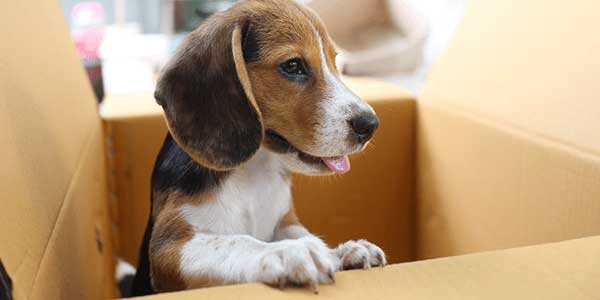
Beagle
-
Pomsky
-
ChowChow
Regardless of the size of the dog you adopt, having some natural ingredient dog treats that are healthy and don’t contain artificial flavors is essential for your dog during winter. Try some of the best bully sticks on the market from Bully Sticks Direct.
How Cold Is Too Cold?
Temperatures considered too cold for one dog may be perfectly alright for another. However, considering the dangerous effects of cold weather, such as frostbite and hypothermia, it is best to stay educated and keep your dog safe by keeping the following in mind:
Protect Their Paws
Dogs use their paw pads to help regulate their body temperatures. As a result, a dog's paws are very sensitive to walking on very cold surfaces and should be protected using, for example, dog boots.
Adult Dogs Do Better Than Puppies in Cold Weather
If you have a puppy that is a few months old or less, you have to be extra careful because cold weather can be fatal for puppies. In this case, selecting the safest treats for dogs and soft treats for puppies is important to help your puppy maintain its body temperature.
The Right Dog Food Goes a Long Way
When looking for the perfect dog treat for winter, the following are important:
-
Look for a healthy treat with no artificial flavors
-
Consider hormone-free dog treats without too many calories
-
The best treats for dogs contain natural ingredients sourced locally
Tips for Small Dogs in the Winter
Here are some great tips if you have a small dog:
-
Limit outside playtime
-
Get a better and warmer dog bed
-
It's advisable to invest in dog jackets and boots
-
Leave the heat on in the house while you are away
-
Give them a little extra food without necessarily giving your dog too many treats
Winter Activities for Cold-Loving Dog Breeds
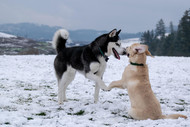
When the temperature drops and snow blankets the ground, some dog breeds truly come alive. Cold-weather dogs, such as Siberian Huskies and Alaskan Malamutes, are well known for their love of winter and their ability to thrive in cold climates. These snow dog breeds, with their thick double coats and high energy, are well-suited to outdoor winter activities that keep them both physically and mentally stimulated.
Many snow dog breeds, including the Bernese Mountain Dog and Great Pyrenees, were originally bred to work in snowy mountains and harsh winters. These breeds are not only well-suited to cold weather but also enjoy activities such as skiing, snowshoeing, and pulling sleds. Pet parents can make the most of winter by taking their dogs on snowy walks, building snowmen together, or having a friendly snowball toss—just be sure to use soft, dog-safe snowballs!
Breeds such as the American Eskimo Dog and Chow Chow have thick double coats that help them stay warm even in cold temperatures. To keep your pup comfortable and healthy, regular grooming is essential to prevent matting or tangling, especially after outdoor play in the snow.
For those seeking more advanced activities, some cold-weather dogs, such as the Saint Bernard and Tibetan Mastiff, excel in physically demanding tasks such as avalanche-rescue training or sled pulling. These activities not only provide excellent exercise but also help strengthen the strong bonds between you and your devoted companion.
During harsh winters, it’s important to keep your dog active and engaged, even when outdoor time is limited. Indoor activities like herding games, agility training, and obedience exercises can be adapted to suit your dog’s breed and energy level. This is especially important for high-energy breeds like the Finnish Lapphund, which require daily activity to stay happy and healthy.
Remember to consider your dog’s age and individual needs when planning winter activities. Puppies and older dogs may prefer shorter, gentler play sessions, while active breeds and younger dogs will appreciate more vigorous exercise. By choosing activities that match your dog’s breed, age, and energy level, you’ll help them stay warm, healthy, and content all winter long.
Winter is a wonderful time to bond with your cold-loving dog breed. With the right mix of outdoor adventures and indoor fun, you can ensure your snow dog enjoys every moment of the season—no matter how low the temperatures drop.
Bully Sticks Direct “We're Really About Family, Yours and Ours”
At Bully Sticks Direct, we focus not only on making the best treats for dogs but also on delivering them. Your dog's health is at the core of our business, and we strive to help our customers with all pet-related issues. To us, a dog is a part of the family, and they deserve all the love and care that you can give them.
Feedback From Happy Dog Parents
Here is what a couple of our customers had to say:
"I have two small dogs, one gets the gullet stick, and the other gets the strip cut into small pieces for her. My dogs love these treats, and I know they are getting a good, natural product." (5-star review Arlene R.)
"I have purchased these 9in braided sticks for Stella for about a year, and she loves them. They are not only a healthy treat for her but also at least an hour of fun. Her teeth look wonderful and clean. She'll sit at the treat box every morning when she sees me coming. She's so healthy and happy." (5-star review, Di)
Finding Healthy Dog Treats for Your Dog - Try Bully Sticks Direct
Are you looking for the best healthy treats for dogs with sensitive stomachs? Bully Sticks Direct offers single-ingredient natural dog treats in a plethora of sizes, smells, and flavors. Bully Sticks Direct is the home of the best dog treats on the market - for large and little dogs alike. Visit our website and take a look at our wide range of healthy treats.