
My Dog Has Pancreatitis: Are Bully Sticks Off the Table for Treats?
Posted by Greg C. on Apr 01, 2026
My Dog Has Pancreatitis: Are Bully Sticks Off the Table?
Introduction
Yes, bully sticks should be avoided when your dog has pancreatitis. The fat content of most bully sticks ranges from 10-20% on a dry-matter basis, which exceeds the recommended dietary fat limits for dogs with pancreatitis. Even a single medium-sized bully stick can deliver 2.5-3.5 grams of fat, potentially consuming a significant portion of your dog’s daily fat budget during recovery. Many veterinarians advise against bully sticks because they can be extremely rich and high in fat, leading to vomiting, diarrhea, or pancreatitis attacks. Additionally, a single 6-inch bully stick can contain 50 to 100 calories, which may be a significant portion of a small dog's daily intake and can contribute to weight gain when you consider how bully sticks can put weight on dogs.
This article covers the fundamentals of pancreatitis in dogs, explains precisely why bully sticks pose a risk to affected dogs, and provides safe treat alternatives along with practical dietary management strategies, including the importance of customizing your dog's diet with your veterinarian's guidance. Pet owners dealing with a new pancreatitis diagnosis or managing chronic pancreatitis will find actionable guidance to help them make treatment decisions that protect their dog’s pancreatic health.
Direct answer for quick reference: Dogs with pancreatitis require low-fat diets with less than 10-15% fat on a dry matter basis. Most bully sticks exceed this threshold, making them inappropriate for dogs with pancreatitis. Always consult your veterinarian before introducing any treats to a dog recovering from or managing pancreatitis.
By reading this article, you will:
-
Understand how pancreatitis affects your dog’s digestive system and why fat triggers inflammation
-
Learn the specific nutritional reasons bully sticks are problematic for affected dogs
-
Discover safe, vet-approved treat alternatives your dog will enjoy
-
Gain practical strategies for managing dietary restrictions long-term, including a tailored dog's diet
-
Know when to seek prompt veterinary care for pancreatitis symptoms
Understanding Pancreatitis in Dogs
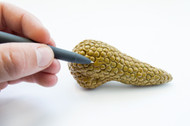
Pancreatitis is inflammation of the pancreas, the organ responsible for producing enzymes essential for digestion—these enzymes break down fats, proteins, and carbohydrates—and for regulating blood sugar through insulin production. When pancreatitis develops, pancreatic enzymes activate prematurely within the pancreas itself rather than in the small intestine, causing the organ to essentially digest its own tissue.
A high-fat diet is a major risk factor for pancreatitis in dogs because high-fat foods stimulate excessive production of digestive enzymes, particularly lipase. This overstimulation can initiate or worsen inflammation in dogs with sensitive tummies or underlying health conditions. The connection between fatty foods and pancreatitis episodes is well-documented in the veterinary literature, with dietary fat strongly influencing pancreatic enzyme secretion.
In addition to dietary and genetic triggers, certain medications—such as some antibiotics and chemotherapy drugs—can also contribute to the development of pancreatitis in dogs. However, most cases of pancreatitis in dogs are idiopathic, meaning the exact cause cannot be determined.
Diagnosing pancreatitis typically begins with a physical exam to identify clinical signs and evaluate your pet’s overall health status before proceeding with further diagnostic tests.
Acute vs Chronic Pancreatitis
Acute pancreatitis refers to sudden-onset, often severe, inflammation that requires immediate veterinary attention and may necessitate hospitalization. Clinical signs appear rapidly, and blood tests show elevated enzyme levels. A single high-fat meal or fatty treats can trigger an acute episode in susceptible dogs.
Chronic pancreatitis involves ongoing, low-grade inflammation that persists over time, leading to structural damage and, sometimes, exocrine pancreatic insufficiency, in which the pancreas can no longer adequately produce enzymes to absorb nutrients. Dogs with chronic pancreatitis may experience long-term symptoms, with ongoing issues that can affect their quality of life. Chronic pancreatitis can also lead to weight loss and lethargy in affected dogs. Dogs with chronic pancreatitis may experience periodic flare-ups triggered by dietary indiscretions—even small amounts of fatty foods can set off symptoms.
Approximately two-thirds of dogs with pancreatitis develop the chronic form, making long-term diet management essential for preventing recurrence and maintaining quality of life.
Common Symptoms to Watch For
Recognizing pancreatitis symptoms early enables prompt veterinary care and better outcomes. Key clinical signs include:
-
Vomiting (often repeated and uncontrollable)
-
Abdominal pain demonstrated by a “praying” position with front legs extended and rear elevated
-
Lethargy and weakness
-
Dehydration from fluid loss
-
Diarrhea, sometimes bloody diarrhea in severe cases
-
Fever or signs of systemic inflammation
Seek emergency veterinary care if your dog shows severe symptoms, including continuous vomiting, inability to keep water down, pale gums, rapid heart rate, or signs of shock. Early intervention significantly improves outcomes, as pancreatitis can worsen quickly and lead to organ failure if left untreated, and persistent vomiting after chews such as bully sticks may indicate issues described in dog vomiting after bully stick causes and solutions.
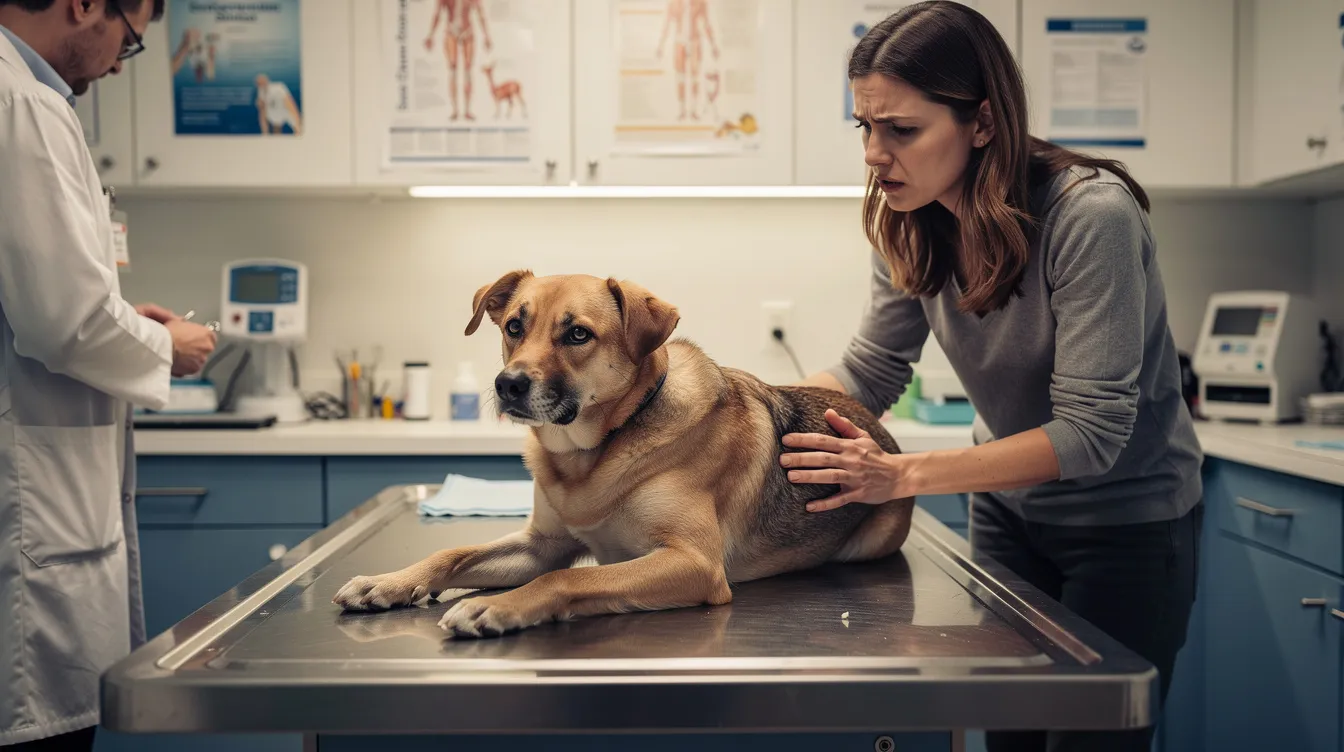
Understanding the mechanisms behind pancreatitis explains why certain treats—including bully sticks—pose significant risks to affected dogs.
Dog Breeds and Pancreatitis Risk
While any dog can develop pancreatitis, certain breeds are at a higher risk due to genetic factors, sensitive digestive systems, or underlying health conditions. For example, German Shepherds are particularly prone to exocrine pancreatic insufficiency—a condition in which the pancreas produces insufficient digestive enzymes, making them more vulnerable to digestive upset and inflammation. Miniature Schnauzers, on the other hand, often have elevated blood triglyceride levels, which significantly increase their risk for both acute and chronic pancreatitis.
Other breeds, such as Yorkshire Terriers and English Cocker Spaniels, are also more susceptible to pancreatitis. Their sensitive tummies and genetic predispositions mean that even mild dietary indiscretions—like a high-fat meal, fatty treats, or table scraps—can trigger abdominal pain, vomiting, and other severe symptoms. For these breeds, maintaining a healthy weight and providing a consistent low-fat diet is especially important.
Pet owners of higher-risk breeds should be extra vigilant about their dog’s diet and lifestyle. Opt for treats made from natural ingredients, and avoid high-fat foods, including bully sticks and other fatty chews. Also, avoid offering them too often, as dogs should not eat bully sticks every day due to the cumulative fat and calorie intake. Instead, choose low-fat alternatives like boiled chicken or green beans, and consider using a bully stick holder or safe chew toy to satisfy your dog’s urge to chew without risking digestive upset.
Regular exercise and weight management are also key to preventing pancreatitis in dogs, especially those with a genetic predisposition. Overweight dogs need particular caution because bully sticks may not be ideal for overweight pups if portions and frequency aren’t carefully controlled. Monitor your dog closely for clinical signs such as vomiting, abdominal pain, lethargy, or inflammation. If you notice any symptoms, seek prompt veterinary care—early intervention can significantly affect how quickly affected dogs recover and whether mild pancreatitis progresses to a more severe case.
In situations where pancreatitis is suspected or diagnosed, your veterinarian may recommend diagnostic tools like abdominal ultrasound or x-rays to assess the severity of the condition. Supportive care, including intravenous fluids and pain management, is often necessary for dogs with acute pancreatitis. Following your vet’s guidance on a strict low-fat diet and ongoing monitoring can help prevent flare-ups and support long-term health.
By understanding your dog’s breed-specific risks and taking proactive steps—such as providing a balanced diet, avoiding fatty treats, and ensuring regular exercise—you can help reduce the likelihood of pancreatitis and support your dog’s digestive health for years to come.
Why Bully Sticks Are Problematic for Pancreatitis
The connection between fat content and pancreatitis triggers makes evaluating any treatment through a nutritional lens essential. Bully sticks typically contain crude fat ranging from 3% to 11%, depending on the source, which can be problematic for dogs prone to pancreatitis. Many veterinarians advise against bully sticks due to their richness and fat content, and understanding exactly how bully sticks can contribute to pancreatitis in dogs can help owners make safer choices.
While dogs love bully sticks for their taste and satisfying chew, these popular treats present multiple concerns for dogs with pancreatitis, and even for healthy dogs, there are situations where bully sticks can make dogs sick due to contamination, digestive upset, or overconsumption. Many bully sticks are slow-roasted to preserve their natural ingredients and flavor, but their hardness can pose a physical risk—some dogs may break teeth while chewing. Additionally, dogs may swallow large, dangerous pieces, so it is important to always monitor your dog while they chew and be aware that bully sticks can cause an intestinal blockage.
Fat Content Analysis
Standard bully sticks contain approximately 10-15% crude fat, though some products test even higher depending on sourcing and processing. A medium-sized bully stick (around 25 grams) typically provides:
-
2.5-3.5 grams of fat
-
90-120 calories (fat yields approximately 9 calories per gram)
-
Caloric density of approximately 3 kcal/gram
Compare these figures to veterinary recommendations for dogs with pancreatitis:
|
Condition |
Recommended Fat Limit (Dry Matter Basis) |
|---|---|
|
Acute pancreatitis with hyperlipidemia |
≤10% fat |
|
Chronic pancreatitis (non-hyperlipidemic) |
≤15% fat |
|
Severe pancreatitis recovery |
<8% fat |
|
For a 20-pound dog requiring approximately 600 calories daily, a single bully stick represents 15-20% of daily caloric intake. If that dog’s diet allows only 8-12 grams of fat daily, one bully stick consumes 20-40% of their entire fat budget before their actual meals. |
Even products marketed as “lean” or “low fat” bully sticks may test higher than labeled. Without standardized moisture reporting, calculating true dry matter fat content is often impossible. This uncertainty makes bully sticks unreliable choices for dogs requiring strict fat restriction.
Processing and Digestibility Concerns
Beyond fat content, the physical properties of bully sticks present additional risks for dogs with pancreatitis:
Digestive system stress: The dense, chewy texture requires significant effort to digest. During pancreatitis recovery, the digestive tract is compromised and sensitive. Heavy chewing stimulates salivation and gastric activity, which in turn triggers enzyme secretion from the already-inflamed pancreas.
Gulping and obstruction risks: Dogs experiencing abdominal pain may gulp large pieces rather than chewing properly, potentially causing digestive upset or even blockages. Some owners use a bully stick holder to prevent choking or to slow consumption, but this doesn’t address the fundamental fat content concern.
Nausea amplification: Chewing stimulates digestive processes that can worsen nausea and vomiting in dogs with active inflammation, and overconsumption of rich chews may also contribute to bully sticks causing diarrhea and other digestive issues in sensitive dogs.
When Bully Sticks Might Be Reconsidered
Under very specific circumstances, a veterinarian might permit extremely limited bully stick use for dogs in long-term remission from mild pancreatitis:
-
The dog has been stable for an extended period with no flare-ups
-
The specific product has verified fat content under 8% dry matter basis
-
Portion size is extremely small (thin strips rather than full sticks)
-
Frequency is highly restricted (perhaps once every few weeks)
-
The dog is carefully monitored for any symptom recurrence
This decision must come exclusively from your veterinary professional. Self-determining that your dog is “recovered enough” for fatty treats risks triggering a full pancreatitis episode requiring hospitalization.
Understanding why bully sticks pose problems naturally leads to exploring which treats are safe for dogs with pancreatitis.
Safe Treat Alternatives and Dietary Management
Alternatives to bully sticks for dogs with pancreatitis include low-fat treats and easily digestible foods. Transitioning to pancreatitis-appropriate treats requires identifying options that satisfy your dog’s desire for rewards while keeping fat intake within safe limits. Dogs' treatment for pancreatitis involves careful dietary control and supportive care, so it’s important to choose foods that are highly digestible and gentle on the stomach, such as lean meats and specific veterinary treats. Most dogs adjust well when alternatives are introduced gradually and presented enthusiastically.
Dogs with pancreatitis should eat a low-fat diet, ideally containing 7-10% fat. Avoid feeding table scraps, as they are often high in fat and difficult to digest. Peanut butter should also be avoided due to its high fat content. Regular veterinary care and monitoring are essential for dogs with a history of pancreatitis to ensure ongoing health and proper management.
Immediate Safe Treat Options
The following low-fat alternatives are generally appropriate for dogs with pancreatitis, though you should confirm with your veterinarian before introducing any new foods:
-
Boiled chicken breast (skin removed)—approximately 1 gram of fat per ounce; offer in teaspoon-sized portions
-
Plain cooked turkey breast (no skin, no seasoning)—similar fat profile to chicken
-
Green beans (fresh, frozen, or canned without salt)—virtually fat-free, and dogs love the crunch
-
Carrot sticks—raw or lightly steamed; excellent for dogs who miss crunchy textures
-
Apple slices (seeds and core removed)—natural sweetness appeals to most dogs
-
Plain cooked sweet potato—mash or cut into small cubes; approximately 0.1g fat per ounce
-
Rice cakes (plain, unsalted)—can be broken into small training treats
Portion guidelines: Treats should comprise less than 5-10% of daily caloric intake. For a small dog (under 20 pounds), this might mean a few teaspoons of boiled chicken or a handful of green beans. For adult dogs over 50 pounds, portions can increase slightly but should remain modest.
Frequency: Space treatments throughout the day rather than giving large amounts at once. This prevents digestive system overload and maintains steady blood sugar levels.
Commercial Low-Fat Treat Comparison
When selecting commercial treats for dogs with pancreatitis, evaluate products using dry matter basis fat calculations:
|
Product Type |
Typical Fat (DMB) |
Suitability |
Notes |
|---|---|---|---|
|
Prescription therapeutic treats |
3-8% |
Good |
Specifically formulated; consult vet |
|
Freeze-dried lean protein |
5-15% |
Variable |
Verify fat content on the label |
|
Dehydrated sweet potato |
1-3% |
Good |
Natural ingredients, very low fat |
|
Standard commercial treats |
15-25% |
Avoid |
Too high for pancreatitis in dogs |
|
Bully sticks |
10-20% |
Avoid |
Exceeds safe thresholds |
|
Label reading guidance: Calculate dry matter basis fat using this formula: |
Fat DMB (%) = (Crude Fat ÷ (100 − Moisture %)) × 100
For example, a treat listing 5% crude fat and 75% moisture contains 20% fat on a dry matter basis—far exceeding safe limits. Products that omit moisture content make accurate assessment impossible and should be avoided for affected dogs, especially because calorie-dense chews like bully sticks can contribute to weight gain when you understand whether bully sticks put weight on dogs.
Reputable prescription diet brands (Hill’s, Royal Canin, Purina Veterinary Diets) now offer low-fat therapeutic treats designed specifically for dogs requiring fat restriction. These products clearly label nutritional information and meet consistent quality standards, which contrasts with many chews on the market and underscores the value of understanding a complete guide to the best bully sticks for dogs before deciding whether they fit into your pet’s diet.
Common Challenges and Solutions
Managing a dog’s diet through pancreatitis presents predictable obstacles. Addressing these proactively improves compliance and outcomes.
Feeding frequent small meals rather than large ones helps reduce the workload on the pancreas, making it easier for dogs with pancreatitis to digest their food and avoid flare-ups. In addition, regular exercise and portion control are important for maintaining a healthy weight, which can help reduce the risk of pancreatitis and related health issues. By focusing on these strategies, pet owners can better manage their dog's condition and support overall wellness.
Dog Refuses Low-Fat Alternatives
Dogs accustomed to rich, fatty treats may initially reject blander options. Transition strategies include:
Gradual introduction: Mix tiny amounts of new treats with familiar foods over several days, slowly increasing the ratio of new to old.
Flavor enhancement: Add a small amount of low-sodium chicken broth or mashed pumpkin to lean proteins to increase appeal without adding significant fat.
Texture variety: Some dogs miss the chewing satisfaction of treats like bully sticks. Offer frozen carrot sticks, ice cubes, or veterinarian-approved chew toys that provide oral stimulation without fat content. These alternatives can help keep teeth clean while satisfying the urge to chew.
Temperature changes: Some dogs prefer treats served warm, while others prefer them frozen. Experiment with serving temperatures for lean proteins to find what your dog enjoys most.
Family Members Giving Inappropriate Treats
Household compliance often derails pancreatitis management. Effective strategies include:
Create an approved treat list posted in the kitchen that identifies exactly what can and cannot be given, including restrictions on table scraps.
Centralize treat storage so all family members access the same approved options and can’t inadvertently grab fatty treats from other locations.
Share consequences: Help family members understand what pancreatitis episodes involve—emergency vet visits, hospitalization, suffering—to motivate compliance.
Pre-portion treats: Prepare daily treat allowances in advance so everyone knows exactly how much the dog can receive.
Managing Long-Term Dietary Restrictions
For dogs with chronic pancreatitis, dietary management is permanent. Sustainable approaches include:
Consistency over perfection: A reliable daily routine with appropriate food and treats is more effective than extreme restriction followed by lapses.
Regular exercise: Maintaining a healthy weight through regular physical activity reduces the risk of pancreatitis and supports gut health. Discuss safe exercise levels with your veterinarian.
Special occasions planning: For holidays and celebrations, prepare pancreatitis-safe versions of treats in advance. Many recipes exist for low-fat “pupcakes” and similar options that let dogs participate without health risks.
Breed awareness: Certain dog breeds, including German shepherds, miniature schnauzers, and cocker spaniels, are at higher risk of pancreatitis. Owners of predisposed breeds should maintain especially vigilant control of their diet.
Regular monitoring: Periodic veterinary checkups, including blood lipid panels (triglycerides, cholesterol), help track pancreatic health and adjust diet recommendations as needed.
Conclusion and Next Steps
Prioritizing your dog’s pancreatic health means removing bully sticks and other fatty treats from their diet, even when they beg. The temporary disappointment of refusing a favorite treat prevents the far greater suffering of a pancreatitis flare-up requiring emergency care and prolonged recovery.
Immediate action steps:
-
Remove all bully sticks and high-fat treats from your home
-
Schedule a veterinary consultation to discuss your dog’s specific dietary needs
-
Introduce approved low-fat alternatives gradually, monitoring for digestive tolerance
-
Establish household rules, ensuring all family members understand what foods are permitted
-
Create a daily treat allowance system, preventing overfeeding
Ongoing management priorities:
-
Maintain a consistent low-fat diet as directed by your veterinarian
-
Monitor for symptom recurrence and report changes promptly
-
Keep emergency veterinary contact information accessible
-
Track your dog’s weight and adjust portions to maintain a healthy weight
-
Schedule regular checkups to assess pancreatic function
Dogs recover well from pancreatitis with proper dietary management, and most dogs adjust to their new treat options within weeks. Your vigilance in controlling fat intake directly supports your dog’s comfort and longevity.
Related topics worth exploring include long-term prescription diet options, home-cooked meal planning for dogs with pancreatitis, and recognizing early warning signs of flare-ups before they become severe.
Additional Resources
Emergency veterinary guidelines: Keep your regular veterinarian’s after-hours number and nearest emergency animal hospital contact readily accessible. For severe symptoms (continuous vomiting, bloody diarrhea, signs of shock), seek immediate care rather than waiting.
Low-fat treat preparation:
-
Plain boiled chicken: boil boneless, skinless breast until cooked through; shred and portion into daily allowances
-
Frozen vegetable treats: freeze green beans or carrot pieces for extended chewing satisfaction
-
Rice-based treats: cook plain white rice, form into small balls, dehydrate or freeze
Symptom tracking chart for owner use:
|
Date |
Appetite (1-5) |
Vomiting (Y/N) |
Stool Quality |
Energy Level |
Notes |
|---|---|---|---|---|---|
|
Completing this chart daily helps identify patterns and provides valuable information for veterinary consultations. Early intervention based on subtle changes in symptoms can prevent mild pancreatitis from progressing to severe cases requiring hospitalization. |