
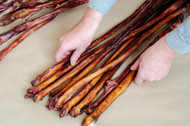
Understanding What Are Bully Sticks Made Of: Sourcing Transparency Hub
Posted by Greg C. on Mar 02, 2026
What Are Bully Sticks Made Of: Complete Sourcing Transparency Hub
Introduction
Bully sticks are made from beef pizzle—the dried bull penis—consisting entirely of high-protein beef muscle and cartilage tissue that undergoes careful dehydration to create one of the most popular dog chews available today. For pet owners who prioritize knowing exactly what goes into their dog’s diet, understanding sourcing transparency has become essential when selecting quality bully sticks for their furry friend. Transparent sourcing allows pet owners to verify both the safety and nutritional value of bully sticks.
This guide covers the complete journey of bully stick raw materials from farm to finished product, including manufacturing transparency, quality control measures, and verification methods for evaluating supplier claims. Whether you’re a dog owner researching your first purchase or a pet parent seeking to verify your current supplier’s practices, this content focuses specifically on sourcing transparency rather than general feeding guidelines or behavioral training applications. Knowing the ingredients in your dog's favorite chew, such as bully sticks, is crucial to ensure both safety and health.
Direct answer: Bully sticks are made from a single ingredient, bull pizzle sourced from cattle, but transparent sourcing practices ensure ethical treatment, food safety protocols, and consistent product quality—making transparency verification as important as understanding the ingredient itself. Bully sticks can also be a valuable part of a dog's diet, providing essential nutrients such as protein, vitamins, and minerals that support overall health.
Key outcomes you’ll gain from this guide:
-
Complete understanding of beef pizzle composition and why it makes bully sticks safe and nutritious
-
Framework for evaluating supplier transparency claims and documentation
-
Ability to identify quality markers that distinguish premium bully sticks from lower-grade products
-
Confidence in making informed purchasing decisions based on verified sourcing
-
Recognition of red flags indicating inadequate transparency or questionable processing methods
-
Awareness of how bully sticks cater to different dogs' preferences in terms of shape, texture, and flavor
Understanding Bully Stick Raw Materials
Bull pizzle, the dried bull penis muscle, serves as the sole ingredient in authentic bully sticks made through proper production methods. This natural dog treat made from dried and dehydrated bull pizzle contains complete amino acids supporting muscle development, skin health, and coat condition while remaining easily digestible in a dog’s stomach—unlike rawhide alternatives that can cause blockages. Bully sticks are gentle on a dog's stomach and support digestive health, making them a safe and healthy treat option. The high protein content and absence of artificial preservatives make single-ingredient bully sticks an ideal, nutritious treat for many dogs across all life stages.
This specific muscle tissue makes an ideal chew toy because its dense, fibrous structure withstands extended chewing sessions while breaking down safely during digestion. Bully sticks support a dog's health by promoting muscle development and improving dental hygiene. The safety and health benefits of beef pizzle for dogs are closely tied to its natural composition, which provides essential nutrients without requiring additives, fillers, or chemical processing—resulting in a chemical-free product that delivers both an enjoyable chewing experience and legitimate health benefits. The fibrous structure of bully sticks helps clean a dog's teeth and gums, reducing plaque and tartar buildup and promoting overall oral health. Beef sticks, made from dried beef pizzle, are another natural and nutritious chew option for dogs. Bully sticks contain 80-90% protein and are low in fat, making them safer for digestion than rawhide.
Source Animal Requirements
Cattle breed specifications significantly impact final product quality, with most reputable suppliers sourcing from mature bulls or steers rather than younger animals. Age requirements typically specify cattle between 18 and 30 months, as this produces pizzle with optimal density and nutritional value for creating standard, curly, and straight bully sticks.
The distinction between grass-fed and grain-fed cattle directly affects the nutritional profile and natural nutrients present in the finished product. Grass-fed cattle typically produce pizzle with leaner composition and different fatty acid profiles, which many pet parents consider superior for their dog’s health. FDA approval requirements mandate that all facilities processing animal-derived dog treats maintain human-food-grade safety standards, while USDA inspection protocols verify animal health at slaughter.
Geographic Sourcing Considerations
Primary sourcing regions include South America (particularly Brazil and Argentina) and North America, each maintaining distinct quality standards and farming practices. South American operations often feature extensive free-range grazing systems and hormone-free cattle-raising practices, while North American facilities may offer greater proximity for supply chain verification and reduced transportation variables.
Climate and farming practices impact meat quality characteristics, including muscle density, fat content, and overall pizzle condition at harvest. Hot, humid climates require more rigorous cold-chain management during transportation to meat-processing facilities, while temperate regions may allow slightly more flexible logistics without compromising raw material integrity. Preservation methods from farm to processing facility typically involve rapid chilling to 32-40°F within hours of collection.
Types of Bully Sticks
Bully sticks come in a variety of shapes and sizes, allowing pet owners to select the perfect chew for their dog’s unique preferences and chewing habits. The classic option is the straight bully stick, simply a single dried piece of bull pizzle. Straight bully sticks are a favorite among many dogs for their simplicity and satisfying texture.
For dogs who enjoy a bit more excitement in their chew, curly bully sticks—sometimes called bully springs—offer a playful, spiral shape that can be easier for some dogs to grip and chew. The curly design also provides a softer, more flexible chewing experience, making them a great choice for dogs with gentler chewing ability or those who prefer a less intense chew.
Braided bully sticks, on the other hand, are crafted by intertwining several pieces of pizzle together. This creates a denser, tougher natural braided bully stick chew that presents a greater chewing challenge, ideal for power chewers or dogs who need a longer-lasting treat. By offering different shapes and textures, bully sticks can cater to a wide range of chewing abilities and preferences, ensuring every dog finds their favorite satisfying chew.
Manufacturing Process Transparency
Understanding how the process begins with raw materials and extends through manufacturing provides the foundation for evaluating whether a supplier’s transparency claims hold merit. Quality control at each stage determines whether the final product meets safety standards that make bully sticks safe for consumption.
Collection and Initial Processing
Harvesting occurs immediately following processing at approved facilities, with hygiene protocols requiring sanitized equipment and temperature-controlled environments. The timeline from collection to initial processing typically spans 24-48 hours maximum to prevent bacterial growth and maintain raw material quality.
Initial cleaning involves thorough hand-washing to remove fat, membranes, and impurities that could harbor harmful bacteria or affect final product quality. Temperature control during this phase maintains the product at or below 40°F, while contamination prevention measures include dedicated processing areas, staff sanitation requirements, and regular surface testing protocols.
Dehydration, Quality Control Measures, and Safety Protocols
Slow-cooking and dehydration represent the critical production methods that transform raw pizzle into safe, shelf-stable dog treats. Temperature ranges from 165°F to 195°F over 2-3 days, eliminating pathogens while preserving nutritional value—a balance that distinguishes high-quality, all-natural bully stick processing from inferior processing methods.
Bacterial elimination processes target common contaminants, including Salmonella and E. coli, through sustained heat exposure. Third-party pathogen testing at multiple checkpoints verifies that harmful bacteria levels meet or exceed food safety standards. Quality checkpoints throughout dehydration include verification of moisture content, logging internal temperature, and visual inspection for proper texture development.
Final Processing and Packaging
Cutting, sizing, and shape formation techniques create the variety of products available, catering to different dogs' preferences. This includes thinner sticks for light chewers and small or senior dogs, ensuring a comfortable, safe chewing experience; standard sizes for average chewing habits; and monster bully sticks, which offer a thicker option from the same beef pizzle, suitable for power chewers and large dogs. Braided bully sticks, a popular type, consist of three strands of beef pizzle twisted together for added durability and chewing challenge, similar to other varieties of braided bully sticks for dogs. Bully sticks are also available in various flavors to cater to different taste preferences. Curly bully sticks and bully rings offer unique shapes that can stimulate a dog's interest and chewing behavior. Some products become curly bully sticks through specific shaping during the drying phase.
Final inspection criteria include hardness testing, odor assessment, color verification, and dimensional consistency, with rejection standards removing any product showing signs of incomplete drying, contamination, or structural defects. Packaging environment controls maintain low humidity and temperature stability to preserve the three-year shelf life these natural chews can achieve when properly processed.
Evaluating Sourcing Transparency Standards
For pet owners committed to understanding exactly what their dog deserves in terms of quality, transparency verification separates reputable suppliers from those making unsubstantiated claims. The difference between the best bully sticks and questionable products often lies in documentation rather than visual appearance.
Supplier Certification Requirements
Transparency certification matters most when discussing bully stick ingredients with suppliers, comparing brands, or investigating quality concerns after purchase. Many dog owners assume that all products meet similar standards, but not all bully sticks undergo the same level of oversight.
FDA facility registration and inspection compliance: All domestic manufacturers must register with the FDA and maintain facilities meeting human-food-grade standards. Imported products require verification that foreign facilities meet equivalent standards through the FDA’s Foreign Supplier Verification Program.
Third-party quality certifications and audit results: Independent certifications, including SQF, BRC, or similar food safety standards, provide external validation of quality control measures. Request recent audit results or certification dates to verify current compliance.
Organic and free-range certification documentation: Claims of grass-fed, hormone-free, or free-range sourcing should be supported by USDA organic certification or equivalent documentation from recognized agricultural authorities in source countries.
Traceability systems from farm to finished product: Premium bully stick suppliers maintain lot-tracking systems that connect finished products to specific processing batches, source facilities, and, in some cases, individual farms or regions.
Transparency Verification Methods
|
Transparency Factor |
High Standard |
Red Flag |
|---|---|---|
|
Source Documentation |
Complete farm-to-package traceability |
Vague or missing origin details |
|
Processing Disclosure |
Detailed temperature, time, and safety protocols |
Generic “natural processing” claims |
|
Testing Results |
Available bacterial and chemical test reports |
No testing documentation provided |
|
Facility Information |
FDA-registered, inspection reports available |
Unknown or non-compliant facilities |
|
Interpreting supplier transparency involves requesting specific documentation rather than accepting marketing claims. When you choose bully sticks, prioritize suppliers who readily provide facility registration numbers, testing protocols, and source verification without hesitation. Dogs love bully sticks regardless of their origin, but your dog’s health depends on the standards maintained throughout the supply chain. |

Health Benefits of Bully Sticks
Bully sticks are more than just a tasty treat—they deliver real health benefits that make them a smart choice for pet owners who want the best for their dogs. Made from 100% beef pizzle, bully sticks are a natural, single-ingredient source of high-quality protein that supports muscle development and overall vitality. This protein-rich profile is especially beneficial for active dogs and growing puppies, but it’s gentle enough for senior dogs as well, aligning closely with vet-recommended bully stick guidelines for happy, healthy dogs.
One of the standout health benefits of bully sticks is their positive impact on dental health. As dogs chew, the firm texture helps scrape away plaque and tartar, promoting cleaner teeth and fresher breath. This makes them an excellent option when considering whether bully stick chews are too hard for dogs' teeth. Unlike some other chews, bully sticks are fully digestible, reducing the risk of digestive blockages and making them a safer option for your dog’s system.
Because bully sticks are hypoallergenic and free from artificial preservatives, they’re suitable for dogs with food sensitivities or allergies. Their natural nutrients, meaty flavor, and chewy texture explain why dogs are so drawn to bully sticks and their benefits, and their easy digestibility make them a wholesome, nutritious treat that can be confidently included in your dog’s diet, supporting both their physical health and their natural chewing instincts.
Common Sourcing Transparency Challenges and Solutions
The pet treat industry poses unique transparency challenges due to complex international supply chains and the by-product nature of pizzle sourcing. Understanding these challenges helps pet parents navigate toward reliable products.
Unclear Origin Information
Contact suppliers directly to request specific sourcing documentation, including the country of origin, farm or cooperative identification, and cattle management practices. Reputable suppliers maintain this information readily and welcome inquiries from concerned pet owners. If responses remain vague or delayed, consider this a significant red flag, warranting consideration of an alternative supplier.
Missing Safety Testing Data
Request bacterial testing results (Salmonella, E. coli, Listeria), heavy metal analysis, and chemical residue reports for specific product lots. Quality bully stick manufacturers conduct routine testing and maintain accessible records. Some premium brands publish testing summaries on packaging or websites, while others provide documentation upon request—either approach demonstrates commitment to food safety transparency and a clear understanding of what bully sticks (bull pizzle) are and how they benefit dogs.
Vague Processing Claims
Ask for specific temperature ranges used during dehydration, total processing duration, facility certification details, and quality control checkpoint procedures. Phrases like “naturally processed” or “carefully prepared” without supporting specifics suggest inadequate transparency. Detailed processing methods distinguish manufacturers who understand their operations from those simply relabeling products from unknown sources.
Dog Treat Options: Comparing Bully Sticks and Alternatives
When it comes to rewarding your furry friend, the choices for dog treats are nearly endless. However, not all treats are created equal. Bully sticks stand out as a top pick for many pet owners thanks to their quality, safety, and nutritional value. Unlike rawhide chews, which can pose a choking hazard and are often difficult for dogs to digest, bully sticks are made from a single ingredient—beef pizzle—and are fully digestible, making them a safer and healthier option for many dogs.
Dental chews are another alternative, offering benefits for oral health, but they may not provide the same level of mental stimulation or satisfying chew as high-quality bully sticks. Jerky strips can be a tasty treat, but pet owners should be cautious—many jerky products contain artificial preservatives and additives that don’t align with a natural, wholesome treat philosophy, making smaller bully bites made from 100% beef pizzle a more natural alternative for many dogs.
Quality bully sticks, especially those made from grass-fed, free-range beef and processed without artificial preservatives, offer a premium, protein-rich treat that supports your dog’s health and provides an enjoyable chewing experience. When you choose bully sticks, you’re opting for a treat that’s not only delicious but also supports your dog’s well-being. As always, it’s wise to consult your veterinarian before introducing new treats to your dog’s diet, ensuring you select the best bully sticks or other dog treats for your pet’s unique needs.
Conclusion and Next Steps
Transparent sourcing transforms bully sticks from a simple, tasty treat into a verified, wholesome treat supporting your dog’s health through proven quality control and documented safety protocols. Understanding that bully sticks are made from single-ingredient beef pizzle provides the foundation, but verifying the supply chain ensures your furry friend receives the satisfying chew and nutritional value they deserve.
Immediate action steps:
-
Review current supplier documentation for source verification and processing transparency
-
Contact manufacturers requesting specific facility registration, testing results, and traceability information
-
Compare transparency standards across 2-3 brands before your next purchase
-
Establish documentation requirements as a baseline for future purchasing decisions
For continued learning, consider exploring topics such as understanding nutritional labels on natural treats, evaluating odor-free processing methods and their impact on nutritional value, and investigating the benefits of single-source suppliers for consistent quality. Many dogs benefit from bully stick holders that extend chewing time and reduce choking hazard risks—another consideration as you optimize your dog’s favorite chew experience.
Additional Resources
FDA Pet Food Facility Database: Search registered facilities at FDA.gov/animal-veterinary to verify supplier claims about facility compliance and inspection history.
Transparency Checklist for Evaluating Suppliers:
-
[ ] Country of origin clearly stated
-
[ ] Cattle management practices documented (grass-fed, hormone-free claims verified)
-
[ ] FDA facility registration confirmed
-
[ ] Processing temperature and duration specifications available
-
[ ] Bacterial testing protocols and results accessible
-
[ ] Lot traceability system in place
Note: While beef jerky is sometimes used as a flavored dog treat and can appeal to high-energy chewers due to its chewy texture and enhanced flavor, pet owners should be cautious about artificial additives and preservatives that may not align with a natural treat philosophy.
Sample Questions for Supplier Inquiry:
-
“Can you provide documentation of your FDA facility registration?”
-
“What specific temperature range and duration do you use for dehydration?”
-
“Are bacterial testing results available for recent production lots?”
-
“How do you verify cattle sourcing claims from your suppliers?”
-
“What traceability exists from finished product back to source farms?”
These resources support ongoing verification as you maintain standards for single-ingredient dog treats in your dog’s diet, ensuring every purchase meets the transparency requirements that active dogs, senior dogs, and all canine companions deserve.