
What Are Bully Sticks: A Complete Guide by Bully Sticks Direct
Posted by Greg C. on Dec 25, 2025
What Are Bully Sticks: A Complete Guide by Bully Sticks Direct
Introduction
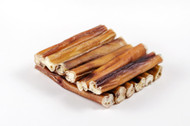
Bully sticks are single-ingredient dog chews made from dried beef pizzle—the muscle tissue of a bull or steer’s penis—that provide a safe, fully digestible alternative to rawhide and synthetic chews. Also known as 'steer sticks,' they are made from the pizzle of a bull or steer and are a natural, single-ingredient treat derived from high-protein beef muscle, which is a by-product of the beef industry. These natural bully sticks have become essential for responsible dog owners seeking clean-label treats free of artificial additives, fillers, or preservatives.
This comprehensive guide covers everything you need to know about bully sticks: their composition and manufacturing process, the dental health benefits they provide, proper sizing for your dog’s weight and chewing style, and safety protocols for supervised use. Whether you’re a first-time buyer comparing alternatives to processed treats or a seasoned pet parent looking to optimize your selection, this resource from Bully Sticks Direct delivers actionable insights. Understanding bully sticks matters because approximately 80% of dogs over three years old develop some form of dental disease, making natural chews an essential component of canine health management.
What exactly are bully sticks? Bully sticks are single-ingredient dog chews made from high-protein beef muscle, specifically the pizzle of a bull or steer. These 100% beef muscle chews are derived from grass-fed cattle and support your dog’s dental health while satisfying their instinct to chew hard food and enjoy chewing for extended periods.
By the end of this guide, you will:
-
Understand the exact composition and manufacturing process of quality bully sticks
-
Recognize the specific health benefits for your dog’s digestive system and your dog's dental health
-
Select the right bully stick size based on your dog’s size and chewing intensity
-
Maximize the value of premium bully sticks through proper storage and portion control
Understanding Bully Sticks
Bully sticks represent the gold standard among natural dog chews, defined by their single-ingredient purity: dried beef pizzle processed without chemicals, preservatives, or binding agents. For many dog owners concerned about what goes into their pet’s treats, bully sticks offer transparency that processed alternatives simply cannot match.
Bully sticks are considered one of the safest and most beneficial treats available for dogs of all breeds, sizes, and ages.
Every dog deserves high-quality, safe chews like bully sticks to support their health and happiness.
Composition and Source Material
The raw material for beef bully sticks comes from the pizzle—a muscle-dense organ collected as a by-product of beef processing from bulls and steers. High-quality bully sticks specifically source this material from grass-fed, free-range cattle raised without hormones or antibiotics, ensuring the cleanest possible protein source reaches your dog.
The single-ingredient advantage cannot be overstated. Unlike multi-component treats that may contain grains, fillers, or artificial additives that trigger sensitivities in dogs with sensitive stomachs, bully sticks for dogs contain only beef muscle. This pure composition ensures complete digestibility in your dog’s stomach, eliminating the risk of intestinal blockages associated with rawhide and the splintering hazards of bones. When your dog loves a treat that’s also genuinely healthy, you’ve found the perfect bully stick solution.
Manufacturing and Processing
Making bully sticks involves a meticulous dehydration process that transforms raw pizzle into the durable, shelf-stable chews pet parents trust. After hand-cleaning to remove excess fat and fluids, the pizzles are slow-cooked at 165-195°F for 2-3 days. This extended low-temperature processing serves multiple critical functions.
The slow-roasting method eliminates harmful bacteria while preserving the natural proteins that make bully sticks nutritionally valuable. Dehydration reduces moisture content by approximately 80%, raising protein levels to 70-90% by dry weight while creating a tough, fibrous texture that keeps your dog occupied during extended chewing sessions. Proper processing differentiates the best bully sticks from inferior products—it’s what makes bully sticks safe for daily use while maintaining the meaty appeal most dogs find irresistible.
This manufacturing approach directly affects the digestibility and health benefits your dog receives, helping explain why veterinarians and informed dog owners increasingly recommend these natural chews.
Health and Safety Benefits
The careful processing of premium bully sticks produces chews that deliver measurable benefits for canine health, including digestive safety, oral hygiene, and behavioral wellness. Bully sticks are available in various sizes and thicknesses to suit different dogs' chewing strengths and preferences, ensuring a safe and engaging experience for every pet.
Bully sticks are fully digestible, unlike rawhide, and provide dogs with hours of safe, satisfying chewing while promoting dental health and reducing destructive behavior.
Digestibility and Nutritional Value
Unlike rawhide, which swells in your dog’s digestive system and often causes dangerous blockages requiring emergency surgery, bully sticks are fully digestible and safe for the dog's digestive system. Bully sticks are safe to break down in a dog's stomach, unlike rawhide, which can cause obstructions. This fundamental difference makes them appropriate even for dogs with sensitive stomachs who struggle with other chew options.
The nutritional profile speaks for itself: approximately 85% protein, 3% fat, and a complete array of essential amino acids that support muscle development, coat health, hormone production, and immune function. When adult dogs consume beef bully sticks, they’re receiving concentrated nutrition rather than empty calories. This digestibility advantage means the protein is absorbed and utilized rather than passing through unprocessed or causing digestive upset.
Dental Health Benefits
Bully sticks provide mechanical dental cleaning through the natural action of chewing, which directly benefits your dog's dental health. The tough, fibrous texture scrapes accumulated plaque and tartar from tooth surfaces during each session, while the sustained gnawing motion massages gums and stimulates blood flow to healthy gum tissue.
Regular use of quality bully sticks can reduce tartar buildup by 30-40% between professional veterinary cleanings. Extended chewing also increases saliva production, which naturally helps flush away bacteria and food particles. For canine dental health, this combination of physical abrasion and biological response creates genuine preventive benefits. Your dog’s dental health improves with consistent use, though bully sticks complement rather than replace professional care.
Behavioral and Mental Benefits
Dogs possess an innate drive to chew that, if unsatisfied, redirects toward furniture, shoes, and other household items. Bully sticks satisfy this natural instinct constructively, channeling chewing behavior toward an appropriate outlet that actually benefits your pet.
The mental stimulation from a challenging chew keeps most dogs engaged for 45-90 minutes, depending on the bully stick's size and thickness. This extended engagement releases endorphins that reduce anxiety and stress, making bully sticks particularly valuable for high-energy breeds or dogs experiencing separation anxiety. The combination of physical jaw exercise and mental focus provides enrichment that truly helps your dog deserve better than simple treats.
Understanding these benefits helps you choose bully sticks that best meet your dog’s needs.
Choosing and Using Bully Sticks
The health benefits of bully sticks are fully realized only when you select the right bully stick type based on your dog’s size, weight, chewing habits, and safety requirements. Always match the bully stick size and thickness to your dog's size and weight to ensure safety and satisfaction. Proper sizing prevents choking hazards while providing a satisfying duration.
Size and Thickness Selection Process
Finding the perfect bully stick requires a systematic assessment of your dog’s characteristics:
-
Measure your dog’s weight accurately — Small dogs under 25 pounds benefit from thin, 4-6 inch bully sticks that won’t overwhelm their jaw strength. Medium dogs between 25-60 pounds do well with 6-8 inch standard bully sticks. Large dogs over 60 pounds require jumbo or thicker bully sticks to provide adequate duration and challenge. Always consider your dog's weight and chewing style when selecting a bully stick to ensure safety and satisfaction.
-
Assess chewing intensity honestly — aggressive and power chewers can demolish standard options too quickly, requiring thicker sticks or braided options. Gentle chewers may find thinner sticks more manageable and satisfying. Your dog’s chewing style directly determines appropriate thickness. Thin sticks typically last 15-30 minutes for most dogs; standard thickness provides 45-90 minutes of chewing; and jumbo options can occupy strong chewers for several hours, so it's essential to match the stick to your dog's chewing habits.
-
Consider age-specific factors: puppies under 6 months have developing teeth and jaws that require softer options. Senior dogs may need modified thickness based on dental condition and jaw strength. Adult dogs in their prime typically handle the widest range of options.
-
Test and adjust based on observation: monitor your dog’s first sessions carefully. If they finish too quickly, upgrade the thickness. If they lose interest, try a more manageable size. Remove the bully stick when it is small enough to swallow whole, typically when it is 1-2 inches long for medium dogs, to prevent choking. The right bully stick size becomes apparent through observation of your specific dog’s response.
Bully Stick Types Comparison
Bully sticks come in various shapes, including straight, braided, rings, and curly, each offering a unique chewing experience for dogs and catering to different dog's chewing preferences.
Different shapes and configurations serve different purposes. Choose bully sticks based on this comparison:
|
Type |
Chew Time |
Best For |
Texture Challenge |
|---|---|---|---|
|
Straight bully |
30-60 minutes |
Most dogs, first-time users |
Consistent, moderate |
|
Braided bully sticks |
60-90 minutes |
Power chewers, large dogs |
Complex, very tough (crafted by weaving multiple bully sticks together, providing a tougher chew for dogs that enjoy a challenge) |
|
Rings |
45-75 minutes |
Dogs who like varied angles |
Engaging, moderate-tough |
|
Curly bully sticks |
20-45 minutes |
Small dogs, puppies |
Softer, manageable |
Standard bully sticks and straight bully options work well for most dogs and provide the baseline against which to measure your pet’s needs. Thicker bully sticks and braided configurations suit households with aggressive chewers who need extended engagement. Extra-thick bully sticks last three times longer than standard chews due to their superior diameter and density, making them ideal for power chewers and dogs with strong chewing habits. For multi-dog households, having multiple types available ensures each pet receives options suited to their chewing style.
Select based on your dog’s chewing strength and patience level, not just body size. A small but determined terrier may need thicker sticks than a laid-back large breed. Properly selected bully stick types directly reduce choking risk while maximizing satisfaction.
How to Introduce Bully Sticks to Your Dog
Introducing bully sticks to your dog is best done with patience and attention to your dog’s unique chewing style. Start by offering a small, thin bully stick and observe how your dog interacts with it during the first few chewing sessions. This initial introduction helps you gauge whether your dog prefers a softer or firmer chew and whether they might enjoy exploring options such as braided bully sticks or curly bully sticks in the future.
For dogs with sensitive stomachs or puppies new to bully sticks, keep the first chewing sessions brief—about 5 to 10 minutes (how long your puppy should safely chew on a bully stick). Watch closely for any signs of digestive upset, such as loose stools or discomfort, and adjust the duration or frequency as needed. As your dog becomes more accustomed to bully sticks, you can gradually increase the length of each session and try different bully stick types to match their chewing preferences.
Always supervise your dog during chewing sessions, regardless of their experience level. This helps prevent choking hazards, especially as the bully stick becomes smaller. By taking a gradual, attentive approach, you’ll ensure that bully sticks become a safe and enjoyable part of your dog’s routine.
Common Challenges and Solutions
Even high-quality bully sticks can present manageable issues that proper knowledge easily resolves. Here’s how to address the most frequent concerns.
Chew Duration: Bully sticks are designed to withstand your dog's chewing, making them a long-lasting treat. In fact, bully sticks can last a long time while your dog is chewing them, and they also stay fresh in their packaging for up to three years.
Storage: To maintain freshness and prevent spoilage, store unused bully sticks in a cool, dry place.
Strong Odor Concerns
Solution: Choose odor-free or low-odor bully sticks that undergo extended, slow-roasting. This natural process reduces the characteristic beef smell without the use of chemicals or artificial masking agents. Premium bully sticks, processed at proper temperatures for an adequate duration, naturally have a less intense odor.
Additional tip: Store in airtight containers away from living spaces and provide in well-ventilated areas. The smell that may bother humans is exactly what makes your dog love these treats—it’s the authentic beef muscle aroma.
Too Short Chew Duration
Solution: Upgrade to thicker varieties or try freezing for 2-4 hours to firm the texture and extend chewing time. Grass-fed beef pizzle from quality sources tends to be denser, naturally providing a longer duration.
Prevention strategy: Use bully stick holders to hold small end pieces securely. Bully sticks stand options and dedicated holders grip the last few inches, allowing your dog to safely finish without the choking hazards of loose small pieces. This maximizes value while maintaining safety.
Digestive Upset from Overconsumption
Solution: Limit initial sessions to 15-20 minutes and gradually increase duration as your dog’s stomach adjusts. Although bully sticks are highly digestible, sudden, large consumption can cause temporary digestive upset in dogs unaccustomed to rich-protein treats.
Monitoring protocol: Provide fresh water during chewing sessions and observe stool consistency for 24 hours after introducing new treats. Refrigerate partially chewed sticks between sessions to maintain freshness and prevent bacterial growth. For partially chewed sticks, proper storage ensures safety for subsequent use.
Storage and Organization
Keeping your bully sticks fresh and organized is essential for your dog’s health and enjoyment. Store unopened bully sticks in a cool, dry place away from direct sunlight to preserve their quality. Once you open a package, transfer the bully sticks to an airtight container to maintain their texture and prevent spoilage.
For partially chewed sticks, it’s important to refrigerate partially chewed sticks between sessions. This not only keeps them fresh but also helps prevent bacterial growth, ensuring your dog’s safety. Designate a specific storage bin or basket for your bully sticks so you can easily keep track of your supply and quickly find your dog’s favorites. With a little organization, you’ll always have a fresh, high-quality bully stick ready for your next chewing session.
Using a Bully Stick Holder
A bully stick holder is an excellent investment for dog owners who want to make chewing sessions safer and more enjoyable. These holders securely grip the bully stick, preventing your dog from swallowing small end pieces that could pose a choking hazard. This is especially important for aggressive chewers or dogs who tend to gulp their food, as it allows them to enjoy their bully sticks safely and for longer periods.
Using a bully stick holder also helps extend the life of each chew, making it a cost-effective choice for multi-dog households or dogs with strong chewing behavior. When choosing a holder, look for one that is sturdy, easy to clean, and specifically designed for bully sticks. By incorporating a bully stick holder into your dog’s routine, you can confidently provide a healthy, entertaining treat while minimizing risks and maximizing the benefits of bully sticks.
Conclusion and Next Steps
bully sticks offer dog owners a safe, fully digestible, single-ingredient chewing solution that delivers measurable dental health benefits while satisfying natural chewing instincts. When properly selected based on your dog’s size, weight, and chewing intensity—and supervised during use—these natural bully sticks provide outstanding value for canine health and behavioral wellness.
Your immediate next steps:
-
Assess your dog’s weight category and typical chewing behavior to determine the appropriate thickness range
-
Start with a standard straight bully stick if new to these treats, observing your dog’s response and duration
-
Supervise initial sessions completely, establishing your baseline for safe use
-
Implement a removal protocol when sticks reach 2-3 inches to prevent choking risks
-
Store properly in cool, dry conditions—refrigerate partially chewed sticks in multi-day use scenarios
As you develop familiarity with how your dog responds to bully sticks, consider exploring related natural chews, such as antlers or yak chews, for variety. Many pet parents establish a dental chew rotation schedule that maintains interest while providing diverse textures and challenges. The foundation you build with quality bully sticks naturally extends to comprehensive chewing enrichment.
Additional Resources
-
Size selection guidance: Match your dog’s weight to appropriate thickness—under 25 lbs (thin), 25-60 lbs (standard), over 60 lbs (jumbo)
-
Chew duration benchmarks: Track how long sessions last to identify when thickness adjustments are needed
-
Storage best practices: Airtight containers at room temperature for unopened; refrigerate partially chewed sticks for up to one week
-
Safety protocol: Always supervise, remove at 2-3 inches, ensure fresh water is available, and consult your veterinarian for puppies under 6 months or dogs with weight concerns