
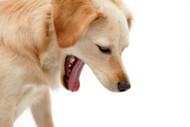
What to Do If Your Dog Threw Up a Bully Stick: Key Tips for Owners
Posted by Greg C. on Jan 10, 2026
Dog Threw Up Bully Stick: Immediate Response Guide and Prevention Tips
Introduction
When your dog throws up bully stick pieces, it's natural to feel concerned—your immediate worry is completely valid—but this situation is often more manageable than it first appears. Bully stick consumption can trigger vomiting in dogs for several reasons, ranging from simple overconsumption to digestive sensitivity, and understanding the cause helps you respond appropriately.
This guide covers immediate response protocols, how to distinguish minor upset stomach from severe symptoms requiring veterinary care, and prevention strategies for future bully stick consumption. Bully sticks are widely known as a natural, healthy treat for dogs. What this content does not replace is emergency veterinary intervention—if your furry friend shows severe symptoms like bloody vomit, difficulty breathing, or extreme lethargy, contact your vet immediately. This resource serves pet owners who have witnessed their dog vomit after a bully stick, whether it’s a first-time incident or a recurring pattern.
Most dogs who vomit after eating bully sticks have consumed too much too quickly or have sensitive stomachs that react to the rich protein content. Practicing dog-safe bully-stick habits, such as supervision and proper sizing, can help prevent issues. Sometimes, bully sticks can make a dog sick if they are of poor quality or if consumed in excess. A single vomiting episode followed by normal behavior typically resolves with monitoring and temporary food restriction.
By reading this guide, you will learn:
-
How to respond in the first 30 minutes after your dog throws up bully stick material
-
Warning signs that distinguish minor digestive issues from life-threatening emergencies
-
Prevention strategies, including proper size selection and slow introduction protocols
-
Safe bully stick practices that keep your dog happy and healthy
-
The risks of swallowing bully sticks and the importance of monitoring your dog during chew time
-
When home care is appropriate versus when veterinary treatment is necessary
Understanding the Digestive System
A dog’s digestive system is uniquely equipped to handle a variety of foods, including protein-rich treats like bully sticks. However, even though most dogs can enjoy these chews as a healthy treat, pet owners need to understand how bully stick consumption can impact their furry friend’s digestive health.
When a dog chews on a bully stick, the process begins in the mouth, where chewing not only provides mental stimulation but also helps maintain healthy teeth by gently scraping away plaque and tartar. As the dog swallows small, chewed pieces, they move through the digestive tract, where the stomach and intestines break down the dense protein. For proper digestion, it’s crucial that dogs only consume bully sticks in appropriate amounts and sizes.
Introducing bully sticks gradually is key, especially for puppies, smaller dogs, or those with sensitive stomachs. Sudden or excessive bully stick consumption can overwhelm the digestive system, leading to symptoms like vomiting, diarrhea, or abdominal discomfort. Each dog is different—factors such as age, breed, and individual sensitivities all play a role in how well your dog tolerates these popular chews. For example, smaller dogs may be at higher risk of choking or gastrointestinal blockage if they attempt to swallow large pieces, while larger dogs may handle bigger sticks more easily.
To minimize digestive issues and choking hazards, always select a bully stick that matches your dog’s size and chewing style. The stick should be larger than your dog’s muzzle to prevent swallowing large pieces, and chew time should be supervised—especially during the first few sessions. Limiting initial chew time to five to ten minutes allows your dog’s digestive system to adjust, reducing the risk of upset stomach or more serious complications.
Quality matters, too. Choose bully sticks from reputable sources that use high-quality ingredients and avoid unnecessary additives. Store bully sticks in a cool, dry place to prevent bacterial contamination, which can lead to digestive problems or illness.
Regular veterinary check-ups are a smart way to monitor your dog’s overall health and catch any early signs of digestive issues related to treats or chews. If your dog experiences symptoms such as vomiting, diarrhea, or abdominal pain after eating a bully stick, consult your vet promptly to ensure there are no underlying problems like gastrointestinal blockage or allergies.
By understanding your dog’s digestive system and taking a thoughtful approach to bully stick consumption, you can help your dog enjoy these treats safely. With gradual introduction, proper supervision, and attention to your dog’s unique needs, bully sticks can be a rewarding part of your dog’s routine—supporting healthy teeth, providing mental stimulation, and keeping your dog happy and healthy for years to come.
Understanding Bully Stick Digestive Issues
A bully stick is a dried, single-ingredient chew made from beef pizzle (bull or steer penis) and processed by baking, air-drying, or smoking. These popular chews are designed to be gnawed slowly over time—not consumed quickly like regular treats. When a dog consumes bully stick material faster than intended, or when the dog’s digestive system isn’t accustomed to such concentrated protein, vomiting becomes a predictable response. Bully sticks do not dissolve in a dog's stomach; they are broken down and processed through the digestive system.
Understanding why bully sticks cause digestive upset helps you assess whether your dog’s vomiting represents a minor reaction or something requiring immediate veterinary attention. After swallowing, the bully stick enters the dog's stomach, where it is not fully digested; instead, it continues through the digestive tract. Bully sticks are generally safe and digestible for most dogs, but some dogs may experience gastrointestinal issues such as vomiting or diarrhea.
Common Causes of Vomiting
The most frequent trigger is simple overconsumption combined with rapid eating. When a dog chews aggressively and swallows large pieces of bully stick, the dog’s stomach receives a sudden influx of dense, protein-rich material it wasn’t prepared to process. This gastric overload often results in the stomach rejecting the material through vomiting, making the dog sick.
High protein concentration also plays a significant role. Bully sticks contain substantially more protein per gram than standard food, and dogs with sensitive stomachs may experience gastric irritation, increased acid production, and ultimately vomiting, even from moderate amounts. Puppies and smaller dogs face a higher risk because their digestive tract has less capacity to handle large quantities. Older dogs or those with digestive issues are more likely to experience diarrhea after having a bully stick.
Additional causes include beef allergies or intolerances, poor-quality products with additives or higher fat content, and bacterial contamination from improper storage. Dogs who have never had bully sticks before are particularly susceptible because their digestive system hasn’t adapted to this type of chew.
Normal vs. Concerning Symptoms
A single vomiting episode where your dog expels bully stick pieces and then returns to normal behavior—alert, interested in water, no abdominal pain—generally indicates a benign reaction. Concerned pet owners may notice these symptoms and wonder if further action is needed. The dog’s stomach simply rejected material it couldn’t process comfortably. Most dogs recover fully within a few hours without intervention.
Symptoms of gastrointestinal issues from bully sticks include vomiting, diarrhea, and abdominal discomfort.
Concerning symptoms require different attention. Repeated vomiting over several hours, especially when food and water won’t stay down, suggests potential gastrointestinal blockage from a piece of food a dog swallowed that is lodging in the digestive tract. Symptoms of swallowing a bully stick include gagging, coughing, and behavioral changes. Blood in vomit, severe lethargy, abdominal discomfort when touched, bloating, pale gums, or difficulty breathing all indicate conditions that may become life-threatening without treatment.
The distinction between minor upset and serious illness guides your next steps, which brings us to immediate response protocols.
Immediate Response and Assessment
Determining whether symptoms are resolving or worsening helps determine whether your pup needs home monitoring or emergency care. A systematic approach during the first several hours provides the information you need to make that decision confidently.
First 30 Minutes After Vomiting
Immediately remove any remaining bully stick pieces from your dog’s easy access. If your dog still has part of the chew, take it away to prevent further consumption while the digestive system recovers. Examine what was vomited—visible bully stick chunks suggest the stomach successfully expelled the problematic material, which is generally a positive sign.
Keep your dog calm and comfortable. Avoid offering food or large amounts of water immediately, as this can trigger additional vomiting. Small sips of water after five to ten minutes help prevent dehydration without overwhelming an irritated stomach. Watch for signs of choking, gagging, or attempts to vomit without producing anything, which may indicate material stuck in the throat or esophagus. Swallowing bully sticks can lead to choking or gastrointestinal obstruction. If a dog swallows a bully stick, it is crucial to contact a veterinarian immediately for safety.
Monitoring Period (2-6 Hours)
During this window, most dogs with simple digestive upset show steady improvement. Your furry friend should gradually return to normal energy levels, show interest in their surroundings, and stop displaying signs of nausea, such as drooling or lip-licking.
Offer small amounts of water regularly. If water stays down for one to two hours, you can introduce a small amount of bland food—plain boiled chicken with white rice is a standard recommendation. If vomiting persists or your dog refuses water, veterinary consultation is required.
Watch specifically for:
-
Additional vomiting episodes
-
Diarrhea developing alongside vomiting
-
Abdominal pain (hunching, reluctance to move, crying when the belly is touched)
-
Lethargy beyond normal tiredness
-
Attempts to eat grass or other unusual behaviors
Documentation for Veterinary Consultation
If symptoms persist or worsen, having specific information ready can expedite veterinary assessment. Record the time vomiting started, the number of episodes, what the vomit contained (undigested bully stick pieces, bile, blood), your dog's size, and any other symptoms observed.
Note details about the bully stick itself: approximate size consumed, how long your dog chews before the incident, brand and quality level, and whether your dog has had bully sticks before without problems. This information helps your vet distinguish between obstruction, allergy, intolerance, and simple overconsumption.
Essential documentation includes your dog’s size and weight, recent feeding schedule, and any known health conditions affecting the digestive system.
Veterinary Care and Treatment Options
When home monitoring reveals worsening symptoms or when the initial presentation includes red-flag signs, professional intervention becomes necessary. Understanding the difference between an emergency and a routine consultation helps you respond appropriately.
When to Contact Your Veterinarian
Emergencies require immediate contact—don’t wait to see if symptoms improve:
-
Repeated vomiting episodes over more than 2-3 hours, mainly if nothing stays down
-
Blood in vomit (bright red or dark coffee-ground appearance indicating digested blood)
-
Severe lethargy where your dog won’t respond normally or seems confused
-
Difficulty breathing, wheezing, or facial swelling suggesting an allergic reaction
-
Bloating, abdominal pain, or unsuccessful attempts to vomit (potential gastrointestinal blockage or bloat)
-
Signs in puppies or senior dogs, who are more vulnerable to complications
For non-emergency situations—mild symptoms that persist beyond 12 hours, recurring vomiting specifically after bully stick consumption, or concerns about allergies—schedule a routine appointment.
Treatment Comparison
|
Symptom Severity |
Home Care Approach |
Veterinary Treatment |
Expected Timeline |
|---|---|---|---|
|
Mild (single vomit, normal behavior) |
Withhold food 2-4 hours, small water sips, bland diet reintroduction |
Not typically needed unless symptoms persist |
Resolution within 6-12 hours |
|
Moderate (2-3 vomiting episodes, mild lethargy) |
Bland diet, hydration monitoring, limit activity |
Examination, anti-nausea medication, subcutaneous fluids |
Resolution within 24-48 hours |
|
Severe (persistent vomiting, blood, pain, breathing issues) |
Immediate transport to the vet |
X-rays for obstruction, IV fluids, and possible surgery for blockage |
Variable; obstruction may require hospitalization |
If obstruction is confirmed, surgical intervention may be necessary to remove the stuck bully stick piece. Allergic reactions may require antihistamines, steroids, or epinephrine, depending on severity, for dogs with gastrointestinal problems stemming from bacterial contamination. Antibiotics and supportive care address the underlying infection.
Understanding these treatment pathways helps you appreciate why prevention is preferable to intervention.
Common Challenges and Solutions
Recurring issues with bully stick consumption require targeted solutions rather than simply hoping the next experience goes better. It's important to consider what type of chews your dog likes, as individual preferences for texture and flavor can influence how well your dog tolerates different treats.
When exploring bully stick options, pay attention to the shape—such as straight, braided, or looped varieties. The shape can impact your dog's chewing experience, dental health, and safety, so select one that matches your dog's chewing habits.
Additionally, when selecting a product, keep in mind that the beef source can affect the nutritional profile of bully sticks; grass-fed beef typically contains more fatty acids and protein than other sources.
Dog Vomits Every Time They Get Bully Sticks
If your dog loves bully sticks but consistently gets sick after eating them, the solution is to transition gradually or use alternative products. Introduce bully sticks gradually—start with a five- to ten-minute chew time, then extend the duration over several weeks as tolerance builds. Some dogs do better with lower-protein alternatives, such as collagen chews or specifically formulated treats for dogs with sensitive stomachs.
Consider whether beef allergy or intolerance is the underlying issue. If vomiting accompanies other symptoms like itchy skin, paw chewing, or chronic ear infections, consult your vet about food allergy testing. Dogs with beef allergies should avoid bully sticks entirely.
Multiple Dogs With Different Tolerances
Households with several dogs face unique challenges when one dog enjoys bully sticks without problems while another experiences digestive issues. Separate dogs during chew time to prevent the sensitive dog from accessing another’s bully stick. Provide alternative chews with similar mental-stimulation value for a sensitive dog—puzzle feeders with appropriate treats often satisfy chewing needs without triggering an upset stomach.
Store bully sticks in a cool, dry place with limited dog access to prevent unsupervised consumption.
Dog Swallows Large Pieces Before Vomiting
Aggressive chewers who gulp large chunks create both choking hazards and obstruction risk. Bully stick holders secure the chew and prevent dogs from swallowing large pieces—these devices grip the stick firmly, allowing chewing while making it impossible to swallow the whole thing at once.
Select the proper size based on your dog's size and chewing style. The stick should be larger than your dog’s muzzle and thick enough to resist being broken into swallowable fragments. Supervise all chewing sessions and remove the bully stick when it is small enough to be swallowed whole. For smaller dogs and puppies, this supervision is especially critical.
Different shapes of bully sticks—braided, rings, or spirals—may slow consumption for some dogs while providing the same dental benefits of gently scraping dogs' teeth during chewing.
Older dogs or those with existing digestive issues are more likely to experience diarrhea after consuming bully sticks.
Conclusion and Next Steps
When your dog vomits bully stick material, the response depends entirely on the severity of the symptoms. Single vomiting episodes followed by normal behavior typically resolve with monitoring, temporary food restriction, and gradual reintroduction of a bland diet. Concerning symptoms—repeated vomiting, blood, pain, lethargy, or breathing difficulty—require immediate veterinary care because they may indicate obstruction, severe allergic reaction, or other life-threatening conditions.
If your dog just vomited a bully stick, take these sequential steps:
-
Remove remaining bully stick pieces from the area
-
Observe your dog for five to ten minutes for additional vomiting or distress
-
Offer small water sips after the initial observation period
-
Monitor for 2-6 hours, documenting any symptom changes
-
Reintroduce bland food if no further vomiting occurs
-
Contact your vet if symptoms persist beyond 12 hours or worsen at any point
For ongoing prevention, consider these independent strategies:
-
Choose the highest quality, dog-safe bully sticks from reputable sources with transparent processing
-
Select a proper size—larger than your dog’s muzzle, appropriate for your dog’s size
-
Use bully stick holders to prevent swallowing large pieces
-
Limit chew time initially and introduce bully sticks gradually
-
Supervise all chewing sessions, especially with puppies and aggressive chewers
-
Store products in a cool, dry place to prevent bacterial contamination
For dogs with recurring digestive issues, explore digestive sensitivity testing with your veterinarian to identify underlying allergies or intolerances. Alternative chew toys and treats for dogs with sensitive stomachs can provide similar mental stimulation and support healthy teeth without triggering gastrointestinal problems.
Bully sticks have a long shelf life when stored correctly in a cool, dry place.
Additional Resources
Emergency vet contact protocols: Keep your regular veterinarian’s after-hours number and the address of the nearest emergency animal hospital readily accessible. If you anticipate obstruction or a severe allergic reaction, call ahead so the clinic can prepare for your arrival.
Bully stick sizing guidelines: For dogs under 15 pounds, select 6-inch thin sticks with supervised chew time. Medium dogs (15-40 pounds) tolerate a 6-inch standard thickness. Large dogs over 40 pounds should receive 12-inch or braided varieties that resist rapid consumption.
Supporting proper digestion: Probiotic supplements formulated for dogs may help pets with sensitive stomachs better tolerate occasional rich treats. Discuss appropriate products with your vet, particularly for dogs with recurring digestive issues after consuming bully sticks or other high-protein chews.