
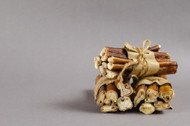
Bully Sticks for Dogs: The Complete FAQ on Safety, Benefits, & Chewing
Posted by Greg C. on Jan 28, 2026
Bully Sticks for Dogs: The Complete FAQ on Safety, Benefits, Sourcing & Chewing
Introduction
Bully sticks for dogs are single-ingredient natural chews made entirely from beef pizzle (bull’s penis)—the dried bull's penis—which offer superior safety and digestibility compared to rawhide or synthetic chews. High-quality beef bully sticks are prized for their purity, being made from a single, natural ingredient without additives or preservatives, making them ideal for dogs with sensitivities. These natural dog chews have become the go-to choice for responsible dog owners seeking long-lasting, nutritious treats that support healthy teeth and satisfy natural chewing instincts. Beef bully sticks are fully digestible and break down efficiently in your dog's digestive system and stomach, unlike rawhide, which can cause blockages due to its indigestibility.
This comprehensive guide covers everything dog owners need to know about bully sticks: essential safety protocols, proven health benefits, quality sourcing standards, and proper chewing guidelines. Whether you’re a first-time pet parent or an experienced owner looking to optimize your furry friend’s treat routine, this resource addresses the complete spectrum of bully stick considerations.
Direct answer: Bully sticks are among the safest dog chews available when sourced from reputable suppliers and used with proper supervision—they’re 100% digestible, unlike rawhide, and break down completely in your dog’s stomach and digestive system without posing intestinal blockage risks.
By the end of this guide, you’ll understand:
-
Safety best practices for dogs of all ages and sizes
-
How to recognize quality bully sticks from inferior products
-
The dental health benefits and nutritional value that bully sticks offer
-
Size selection criteria based on your dog’s chewing style
-
Proper storage and handling techniques
Understanding Bully Sticks: The Foundational Facts
Bully sticks are made from 100% beef pizzle—high protein beef muscle from bulls—with no additives, preservatives, or artificial ingredients. Bull pizzle is the primary raw ingredient, which is thoroughly cleaned and processed to create a safe, natural, and digestible dog chew. This single-ingredient composition makes them fundamentally different from processed dog treats and positions them as one of the safest dog chews for most dogs.
Unlike rawhide, which swells in a dog’s digestive system and can cause dangerous blockages, bully sticks break down completely through natural enzymatic processes. This digestibility advantage is why veterinarians increasingly recommend them over synthetic chews and traditional rawhide products.
What Makes Bully Sticks Different
The single-ingredient composition of quality bully sticks stands in stark contrast to multi-ingredient processed treats that often contain fillers, artificial flavors, and binding agents. When you give your dog a beef bully stick, you’re providing pure beef muscle protein—nothing else.
This natural digestibility means bully sticks fragment gradually during chewing and dissolve completely in your dog’s stomach. The collagen matrix that gives bully sticks their tough, chewy texture is exactly what makes them safe: it softens progressively rather than forming dangerous chunks like rawhide.
The Processing Transformation
Raw beef pizzle transforms into shelf-stable, safe dog chews through a slow, controlled dehydration process. Premium manufacturers use temperatures between 165°F and 195°F over 2-3 days, eliminating harmful bacteria while preserving the nutritional integrity and natural texture dogs love.
Temperature control and timing are critical factors that separate high-quality bully sticks from inferior products. Proper processing kills pathogens like Salmonella and E. coli while maintaining the fibrous structure that provides dental health benefits during chewing.
Quality Variations in the Market
Not all bully sticks are created equal. Premium bully sticks come from single-source, traceable supply chains using grass-fed cattle, while mass-market alternatives may combine materials from multiple origins with inconsistent quality standards.
The differences extend beyond sourcing to processing methods, with premium manufacturers using extended slow-roasting that produces odor-free bully sticks without chemical treatments. Understanding these variations is essential before exploring specific safety considerations for your dog.
Safety Considerations and Best Practices
Building on the foundational understanding that bully sticks are inherently safer than rawhide due to their digestibility, implementing proper safety protocols maximizes their benefits while minimizing any potential risks.
Supervision and Size Selection
Matching the thickness and length of the bully stick to your dog’s size, chewing behavior, and chewing style is the most important safety consideration. Thinner bully sticks suit small to medium dogs, while braided bully sticks and jumbo sizes accommodate aggressive chewers who might otherwise consume standard bully sticks too quickly.
The 2-3 inch rule is critical: always remove bully sticks when they’re chewed down to this size to prevent choking hazards, especially given your dog's size. Using a bully stick holder can extend the safe chewing period by securing the end and preventing your dog from swallowing large pieces.
For aggressive chewers, consider shaped bully sticks, such as curly or braided varieties, which last longer and require more work to consume. Straight bully sticks work well for moderate chewers, while jerky wrapped bully sticks provide variety for dogs who enjoy bully sticks regularly.
Age-Specific Safety Guidelines
Puppies can safely enjoy bully sticks once they’re eating hard kibble, typically around 8-12 weeks of age. During teething (3-7 months), thinner bully sticks help massage sore gums while redirecting destructive chewing behaviors away from household items.
Senior dogs benefit from bully sticks to maintain jaw muscle tone and dental health, though pet parents should select softer varieties or briefly soak the sticks to accommodate decreased jaw strength. Monitor senior dogs more closely, as dental issues may affect their ability to chew safely.
Health Condition Considerations
Dogs with sensitive stomachs generally tolerate bully sticks well due to their single-ingredient composition, but it’s wise to introduce bully sticks gradually to assess individual tolerance. Start with short chewing sessions and monitor for any digestive upset before extending duration.
Caloric considerations matter significantly for weight management. A 6-inch bully stick contains approximately 90 calories, so pet owners should limit treats to 2-3 sessions weekly and factor these calories into their dog’s diet. For overweight dogs, shorter sticks and less frequent sessions prevent excess calorie consumption while still providing dental and behavioral benefits.
Health Benefits and Nutritional Value
The safety advantages of bully sticks create the foundation for understanding their substantial positive health impacts. Beyond being a safe chewing option, bully sticks offer documented benefits for dental health, nutrition, and behavioral wellness.
Dental Health Advantages
The natural chewing action required to work through a bully stick provides mechanical cleaning, supporting healthy teeth and gums. As dogs chew, the fibrous texture scrapes against tooth surfaces, removing plaque and reducing tartar buildup, which contribute to periodontal disease. Bully sticks support your dog's dental health by helping to remove plaque and tartar, making them a valuable addition to your pet's oral hygiene routine.
Research from Rutgers University found that a single chewing session reduces oral bacteria by over 60%, making bully sticks an effective complement to regular dental care. This matters significantly given that periodontal disease affects approximately 80% of dogs over three years of age.
Beyond surface cleaning, the sustained chewing strengthens jaw muscles and massages gum tissue, improving overall oral health. These dental health benefits position quality bully sticks as both a nutritious treat and a functional tool for maintaining dogs’ dental health.
Nutritional Profile Analysis
Bully sticks deliver exceptional nutritional value, with 70-80% high-protein beef muscle content that supports muscle development, immune function, and overall vitality. This protein density makes them superior to many commercial dog treats that rely on fillers and carbohydrates.
The fat content typically ranges from 2-7%, making bully sticks suitable for weight management when portioned appropriately. Grass-fed cattle sources provide higher omega-3 fatty acids and natural minerals, including zinc, phosphorus, and magnesium, that support bone health.
Collagen content benefits joint health while providing the structural integrity that makes bully sticks long-lasting. The natural taurine in beef pizzle supports cardiac and muscular function, adding cardiovascular benefits to the nutritional profile.
Behavioral and Mental Health Benefits
Chewing is a fundamental stress-relief behavior for dogs, and bully sticks provide 30-90 minutes of mental stimulation that releases endorphins and reduces anxiety. Many dog owners report significant decreases in destructive chewing behaviors after incorporating regular bully stick sessions.
For dogs with separation anxiety or high energy levels, the focused activity of working through a bully stick provides a healthy outlet for natural chewing instincts. This behavioral benefit extends to redirecting puppy teething behaviors away from furniture and shoes toward appropriate healthy treats.
The mental engagement required to consume a bully stick rivals puzzle toys for stimulation value, making them valuable enrichment tools beyond their nutritional contributions.
Quality Sourcing and Manufacturing Standards
Understanding the connection between quality sourcing and the health benefits of bully sticks helps pet parents make informed purchasing decisions. Premium sourcing directly impacts safety, nutrition, and overall product value.
Premium Sourcing Criteria
Single-source supply chains from traceable origins ensure consistent quality and accountability throughout production. Premium bully sticks are made from free-range cattle raised without hormones or antibiotics, eliminating concerns about pharmaceutical residues that affect some pet treat manufacturing.
Grass-fed cattle produce bully sticks with superior nutritional profiles, including higher omega-3 content and lower inflammatory markers compared to grain-fed alternatives. Look for explicit sourcing statements identifying the country of origin and farming practices.
FDA-approved facilities and adherence to AAFCO guidelines indicate manufacturers meeting established pet industry standards. These certifications matter because the bully stick market includes unregulated imports with inconsistent quality control.
Manufacturing Process Comparison
Processing methods significantly impact the final product quality, safety, and characteristics of bully sticks.
|
Processing Method |
Temperature Range |
Duration |
Quality Impact |
|---|---|---|---|
|
Slow-Roasting |
165°F-195°F |
2-3 days |
Premium quality, odor reduction, pathogen elimination |
|
Fast-Drying |
200°F+ |
12-24 hours |
Lower quality, higher bacterial risk, brittle texture |
Extended slow-roasting produces the odor-free bully sticks many pet owners prefer while ensuring complete pathogen elimination. This method preserves the natural texture, which provides dental benefits, and keeps bully sticks fresher longer.
Quality Control and Safety Testing
Reputable manufacturers conduct batch testing for harmful bacteria, including Salmonella and E. coli, before products reach consumers. Ask suppliers about their testing protocols—transparency about quality control indicates commitment to safety.
Moisture content standards ensure shelf stability and prevent mold growth during storage. High-quality bully sticks should feel firm but not brittle, with consistent coloring indicating proper processing throughout.
Look for white-ended sticks indicating complete cooking, and avoid products with discoloration, excessive moisture, or off-putting odors that suggest inadequate processing or contamination.
Bully Stick Holders: Enhancing Safety and Chewing Experience
Bully stick holders are essential accessories for dog owners who want to provide their furry friends with a safe and enjoyable chewing experience. These innovative devices are designed to securely grip the end of a bully stick, preventing your dog from swallowing the last few inches—a common choking hazard for enthusiastic chewers. By locking the bully stick in place, holders give pet parents peace of mind, knowing their dog can enjoy every chew session safely.
For many dog owners, a bully stick holder is the perfect solution to extend the life of each treat. Not only do holders help prevent accidents, but they also encourage dogs to chew more slowly and thoroughly, maximizing the dental health benefits bully sticks offer. This means your dog gets more mental stimulation and satisfaction from every session, while you get more value from each stick.
When choosing a bully stick holder, look for sturdy, easy-to-clean designs that fit the size and shape of your preferred bully sticks—whether straight, braided, or curly. Many holders are adjustable and compatible with a variety of natural chews, making them a versatile addition to your dog’s treat routine.
Incorporating a bully stick holder into your dog’s chewing routine is a simple step that responsible dog owners can take to enhance safety, support healthy teeth, and ensure a positive chewing experience for their furry companions.
Common Challenges and Solutions
Even with proper sourcing and selection, pet owners commonly encounter practical challenges when incorporating bully sticks into their dog’s routine.
Odor Management
Natural bully sticks can have a distinctive smell due to the beef pizzle protein content. Extended slow-roasting processes create genuinely odor-free bully sticks without chemical treatments that might compromise the single-ingredient purity.
If you’re sensitive to odors, specifically seek products labeled low-odor or odor-free from manufacturers that use multi-day roasting processes. Store opened packages in airtight containers away from living spaces to minimize ambient scent.
Size Selection Confusion
Match thickness and length to your dog’s size and chewing intensity for optimal safety and value:
-
Small dogs (under 15 lbs): 4-6 inch thinner bully sticks
-
Medium dogs (15-50 lbs): 6-9 inch standard bully sticks or curly bully sticks
-
Large dogs (50+ lbs): 9-12 inch braided bully sticks or jumbo thickness
-
Aggressive chewers: Braided or shaped bully sticks, regardless of size
Gentle chewers may enjoy bully sticks for extended periods with thinner varieties, while aggressive chewers need thicker options to prevent rapid consumption and ensure appropriate chewing duration.
Storage and Shelf Life Issues
Store bully sticks in airtight containers at room temperature, away from humidity and direct sunlight. Properly stored quality bully sticks maintain freshness for 2-3 years unopened and several months after opening.
Signs of spoilage include mold growth, unusual discoloration, or rancid odors distinct from the normal mild scent. Discard any sticks showing these signs rather than risking your dog’s health.
Cost vs. Quality Balance
Premium bully sticks cost more but deliver superior value through safety, nutrition, and longer chewing duration. Budget alternatives often rely on faster processing and mixed sourcing, which compromise both safety and effectiveness.
Consider the perfect bully stick as an investment in your dog’s health rather than simply a treat expense. Premium single-source products reduce veterinary risks associated with contamination or digestive issues from inferior processing.
Conclusion and Next Steps
Properly sourced, appropriately sized bully sticks offer unmatched safety and health benefits for dogs of all ages. As natural chews go, they represent the gold standard: 100% digestible, nutritionally dense, and effective for dental health and behavioral wellness.
Immediate action steps:
-
Assess your dog’s size and chewing style to determine appropriate bully stick dimensions
-
Verify supplier quality standards, including sourcing origin, processing methods, and testing protocols
-
Establish supervision protocols, including the 2-3 inch removal rule and appropriate session duration
-
Set up proper storage in airtight containers away from humidity
For continued optimization, explore breed-specific size guides, consider autoship programs for a consistent supply of quality bully sticks, and investigate complementary natural chews, such as tendons and gullet chews, to add variety to your dog’s enrichment routine.
Frequently Asked Questions
Are bully sticks safe for puppies? Yes, puppies can safely enjoy bully sticks once they’re eating hard kibble, typically around 8-12 weeks. Choose thinner bully sticks appropriate for their size and supervise all chewing sessions closely.
How often can I give my dog bully sticks? Limit bully stick sessions to 2-3 per week to manage caloric intake appropriately. Each 6-inch stick contains approximately 90 calories, which should factor into your dog’s diet calculations.
What size bully stick should I choose for my dog? Match the thickness and length of the matchsticks to your dog’s weight and chewing style. Small to medium dogs need thinner, shorter sticks, while large or aggressive chewers require jumbo or braided bully sticks for safe, extended chewing.
How are odor-free bully sticks made? Odor-free varieties undergo extended, slow-roasting at controlled temperatures for 2-3 days, naturally reducing odor without chemical treatments while maintaining nutritional integrity.
What makes single-source bully sticks superior? Single-source products come from traceable, consistent supply chains with verifiable quality standards. Multi-origin products may combine materials with inconsistent processing or contamination histories.
How long do bully sticks last during chewing? Most dogs require 30-90 minutes to consume a properly sized bully stick, depending on thickness, shape, and individual chewing habits. Braided and shaped varieties last longer than straight bully sticks.
How should I store bully sticks? Keep bully sticks in airtight containers at room temperature, away from humidity and direct sunlight. Properly stored sticks maintain quality for months after opening.
What are the signs of quality versus inferior bully sticks? Quality bully sticks have consistent coloring, white ends indicating complete cooking, firm but flexible texture, and minimal odor. Avoid products with discoloration, excessive moisture, brittleness, or strong, unpleasant smells.
Can dogs with allergies eat bully sticks? Dogs with beef sensitivities should avoid bully sticks since they’re made from beef pizzle. For beef-sensitive dogs, alternative natural chews from different protein sources may be appropriate.
Are bully sticks better than rawhide? Yes, bully sticks are significantly safer than rawhide. Unlike rawhide, bully sticks are 100% digestible and break down completely in your dog’s stomach without swelling or causing intestinal blockages.
Do bully sticks help with dental health? Absolutely. The natural chewing action removes plaque and reduces tartar buildup while strengthening jaw muscles. Studies show single sessions can reduce oral bacteria by over 60%.
What’s the difference between straight, braided, and curly bully sticks? Straight bully sticks are standard single-strand options suitable for moderate chewers. Braided bully sticks last longer and suit aggressive chewers, while curly bully sticks provide unique textures and extended chewing time.
Should I use a bully stick holder? Bully stick holders are valuable safety accessories that secure the end of the stick, extending safe chewing time and preventing dogs from swallowing small remaining pieces.
Can senior dogs enjoy bully sticks? Yes, senior dogs benefit from bully sticks to maintain jaw muscles and support dental health. Select softer varieties or briefly soak sticks to accommodate reduced jaw strength, and monitor chewing closely.
Why do dogs love bully sticks so much? Bully sticks satisfy natural chewing instincts with authentic beef flavor and a challenging texture that provides mental stimulation. The sustained chewing releases endorphins, creating a rewarding experience that dogs naturally seek.
Remove bully sticks when they’re chewed down to 2-3 inches to reduce the risk of choking. Never leave dogs unsupervised with small remaining pieces.
Are bully sticks high in calories? Yes, bully sticks are calorie-dense at approximately 90-150 calories per 6-inch stick. Factor these calories into your dog’s daily intake and limit sessions accordingly, especially for weight-conscious dogs.
What is the best bully stick for my dog? The best bully stick for your dog depends on several factors: safety, health benefits, and suitability for your dog’s breed, age, and chewing style. For puppies and small breeds, choose thinner or shorter sticks. Large or aggressive chewers benefit from jumbo or braided bully sticks for durability. Dogs with dental issues or limited jaw strength may need softer bully sticks or pre-soaked varieties to make chewing easier. Always select high-quality, single-ingredient bully sticks from reputable sources to ensure safety and nutritional value. Supervise all chewing sessions and choose the option that best matches your dog’s individual needs.