
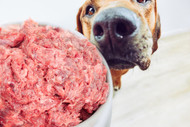
Bully Sticks for Raw-Fed Dogs — How Bully Sticks Fit a Raw Diet, the 80/10/10 Question, and Why Raw Feeders Choose Them
Posted by Greg C. on Jun 06, 2026
Raw feeders tend to read labels more carefully than almost any other group of dog owners. If you feed a raw or BARF diet, you've already made a deliberate choice to avoid processed ingredients, fillers, and additives in your dog's food — so it's natural to apply the same scrutiny to chews and treats. Where do bully sticks fit into a raw feeding philosophy? Do they count toward the 80/10/10 ratio? Are they compatible with the principles of feeding biologically appropriate, single-ingredient, whole-animal foods? These are exactly the right questions, and they're the ones almost no one in the chew industry bothers to answer for the raw-feeding community specifically. The short version is that bully sticks align unusually well with raw feeding values — they're single-ingredient dried muscle meat with no additives, the kind of clean whole-animal product raw feeders already prioritize — but there are some specifics worth understanding about how they fit into a balanced raw diet, where they count, and what they don't replace. This guide directly answers the raw feeder's questions about bully sticks.
The summary for raw feeders, upfront: Bully sticks are single-ingredient dried beef muscle (pizzle is a muscle) with no additives — which aligns naturally with raw feeding philosophy's emphasis on clean, whole-animal, minimally processed foods. They're a dried treat/chew rather than a raw meal component, so they count as muscle meat and toward daily calories, but they don't replace the raw edible bone (10%) or organ (10%) portions of a balanced 80/10/10 diet. Think of bully sticks as a clean, philosophy-aligned chew and treat that fits a raw-fed dog's lifestyle — count their calories in the daily intake, treat them as part of the muscle-meat/treat allowance rather than as a substitute for the bone and organ requirements, and enjoy that they deliver the enrichment and dental benefits of chewing in a product consistent with raw feeding values.
Why Bully Sticks Align With Raw Feeding Philosophy
Raw feeding — whether BARF (Biologically Appropriate Raw Food) or prey model raw (PMR) — is built on a set of principles: feed whole-animal foods, avoid processing and additives, prioritize single-ingredient items, and approach the dog's diet as a carnivore's diet of meat, bone, and organ. Bully sticks fit these principles unusually well for a commercial chew, which is why they're popular among raw feeders:
Single ingredient. Quality bully sticks are one ingredient — beef pizzle (a muscle) — with nothing added. No grains, no fillers, no chemical preservatives, no artificial flavors or colors. For a raw feeder who reads every label and rejects multi-ingredient processed treats, a true single-ingredient chew is exactly the standard they're looking for.
Whole-animal use. Raw feeding embraces using more of the animal — muscle, organ, bone, and the parts conventional pet food discards. Bully sticks are made from a part of the animal (the pizzle) that fits the whole-animal, nose-to-tail ethic many raw feeders value. It's a natural muscle, not a manufactured product.
Muscle meat, not processed hide. Unlike rawhide (chemically processed leather), bully sticks are dried muscle meat — an actual meat protein, the kind of thing a raw diet is built around. This is a meaningful distinction for raw feeders, who tend to avoid rawhide specifically because it's a processed, non-meat product that is inconsistent with raw-feeding values.
Minimal processing. Bully sticks are simply dried — not cooked with additives, not chemically treated, not extruded like kibble. Drying is about the most minimal processing a shelf-stable chew can have, which sits well with the raw philosophy of avoiding heavy processing.
For all these reasons, bully sticks are one of the more philosophy-consistent commercial chews a raw feeder can choose — a clean, single-ingredient, whole-animal muscle product.
Where Bully Sticks Fit in the 80/10/10 Ratio
The 80/10/10 ratio — 80% muscle meat, 10% raw edible bone, 10% organ (typically 5% liver and 5% other secreting organ) — is the framework many raw feeders use to build a balanced diet. So where does a bully stick fit?
Bully sticks count as muscle meat. The pizzle is muscle, so a bully stick falls into the 80% muscle-meat category of the ratio. If you're tracking your dog's intake using the 80/10/10 framework, a bully stick counts toward the muscle meat portion, not the bone or organ portions.
But they're a dried treat, not a raw meal component. An important nuance: bully sticks are dried, not raw, and they're a chew/treat rather than part of a measured raw meal. Most raw feeders treat bully sticks as a treat or chew that counts toward daily caloric intake and, more broadly, toward the muscle-meat side of things, rather than precisely measuring them into the 80/10/10 of a meal. The practical approach is to account for the bully stick's calories in the dog's daily total and recognize it as a muscle-meat category, while building balanced raw meals from your raw ingredients.
They don't replace bone or organ. This is the key point: because bully sticks are muscle meat, they don't contribute to the 10% bone or 10% organ requirements. A raw-fed dog still needs its raw edible bone (for calcium and the calcium: phosphorus balance) and its organ meat (for the concentrated micronutrients) from the actual diet — bully sticks don't substitute for either. Don't let bully stick treats crowd out the bone and organ portions that balance the diet. (Goose necks, incidentally, are a goose product that does contain bone and cartilage — a different profile from beef bully sticks — though they're still best treated as a treat/chew rather than a measured part of the bone allowance.)
Balancing Bully Sticks Into a Raw-Fed Dog's Intake
Here's the practical approach for fitting bully sticks into a raw diet without unbalancing it:
Count the calories in the daily total. Bully sticks are calorie-dense (roughly 80–90 calories for a standard 6-inch stick, more for larger or braided sizes). For a raw feeder already carefully measuring intake, fold the bully stick's calories into the daily total and reduce the raw meal portion accordingly on chew days, so the dog stays at the right total intake and weight.
Keep treats within a sensible percentage. A common guideline is to keep treats and chews to roughly 10% of daily caloric intake so they don't unbalance the carefully constructed diet. Bully sticks fit within this treat allowance. Heavy use of bully sticks that pushes well beyond a treat allowance would start to dilute the balance of the measured raw diet, so moderation keeps the 80/10/10 of the actual meals intact.
Protect the bone and organ portions. Since bully sticks are muscle meat, make sure adding them doesn't lead you to reduce the bone or organ portions of the diet — those are the parts that balance calcium, phosphorus, and micronutrients, and they're not negotiable. Bully sticks add muscle-meat-category treat calories on top of a balanced base; they don't reshape the base.
Use them for what they're good at. Bully sticks shine as enrichment and dental chews, and as a clean, philosophy-aligned treat — not as a meal replacement or a balanced nutrition source. Use them for the chewing benefits (enrichment, the calming effect of chewing, and mechanical dental benefits) alongside a balanced raw diet, where they add the most value.
Common Raw Feeder Questions and Concerns
"Are bully sticks raw?" No — bully sticks are dried (dehydrated), not raw. They're a dried muscle-meat chew. For raw feeders, this means they're a shelf-stable treat that aligns with raw values (single ingredient, muscle meat, minimal processing) rather than a raw meal component. Some raw feeders prefer air-dried or low-temperature-dried products as closest to the raw ethic; drying method varies by producer.
"Do bully sticks fit a prey model raw (PMR) approach?" PMR emphasizes whole prey and the meat-to-bone-to-organ ratios, excluding plant matter. Bully sticks, as single-ingredient muscle meat, align with PMR values for a muscle-meat treat — again, counting toward muscle meat and daily calories, not replacing the bone and organ components.
"Will a bully stick unbalance my dog's diet?" Not if you account for it as a treat within the daily caloric allowance and don't let it crowd out the bone and organ portions. A bully stick or two within a sensible treat allowance, with calories counted, doesn't unbalance a well-constructed raw diet. The issue would only arise from heavy overuse that displaces the balanced meals.
"Why not just give raw meaty bones instead?" Raw meaty bones provide the bone portion of the diet and offer chewing, too, but bully sticks offer practical advantages as a complement: they're shelf-stable, mess-free, portable, and provide a long single-ingredient chew without adding to the bone portion (useful when the bone allowance is already met). Many raw feeders use both — raw meaty bones as part of the diet's bone component, and bully sticks as a clean shelf-stable enrichment chew that doesn't add more bone.
Why Raw Feeders Specifically Choose Bully Sticks
Beyond the philosophy alignment, raw feeders tend to value bully sticks for practical reasons that fit their approach. They're a clean enrichment option for days when a raw meaty bone isn't convenient — shelf-stable and mess-free, whereas raw bones require refrigeration and create mess. They provide the chewing enrichment and dental benefit that raw feeders want for their dogs without introducing the processed ingredients raw feeders reject. They're single-ingredient and transparent, meeting the label scrutiny raw feeders apply to everything. And for raw feeders who avoid rawhide on principle (processed, non-meat, chemically treated), bully sticks are the natural muscle-meat alternative that fits their values. In short, bully sticks are one of the few commercial chews that a committed raw feeder can use without compromising the principles that led them to raw feeding in the first place.
Frequently Asked Questions
Yes — bully sticks are made from beef pizzle, which is a muscle, so they fall into the muscle meat (80%) category of the 80/10/10 raw feeding ratio rather than the bone (10%) or organ (10%) categories. However, the practical way most raw feeders handle them is as dried treats/chews that count toward daily caloric intake and, more broadly, as a muscle-meat category, rather than precisely measuring them into the 80/10/10 of a specific meal. The important points are that bully sticks contribute to the muscle meat side (not bone or organ), they're dried rather than raw so they're a treat rather than a raw meal component, and they don't replace the bone and organ portions your dog still needs from the actual diet for calcium, phosphorus, and micronutrient balance. So count a bully stick's calories in the daily total, recognize it as a muscle-meat category, build your balanced raw meals from your raw ingredients, and make sure the treats don't crowd out the bone and organ portions that balance the diet.
Yes, bully sticks fit a BARF or raw diet well because they align with raw feeding philosophy: they're single-ingredient (just beef pizzle, a muscle), with no grains, fillers, additives, or chemical preservatives, and they're minimally processed (simply dried). For raw feeders who chose raw specifically to avoid processed, multi-ingredient foods, a true single-ingredient muscle-meat chew meets that standard in a way most commercial treats don't. The main things to keep in mind are that bully sticks are a dried treat rather than a raw meal component, so you should count their calories in the daily intake (keeping treats to roughly 10% of daily calories is a common guideline) and make sure they don't displace the bone and organ portions of the balanced diet. Used as a clean enrichment and dental chew within the treat allowance, bully sticks are a natural fit for a raw-fed dog — and many raw feeders prefer them precisely because they're consistent with the values behind raw feeding, unlike rawhide (processed leather) or multi-ingredient commercial chews.
No — bully sticks and raw meaty bones serve different roles, and bully sticks shouldn't replace the bone portion of a raw diet. Raw meaty bones provide the raw edible bone (the 10% in 80/10/10) that supplies calcium and maintains the calcium: phosphorus balance essential to a balanced raw diet, and they provide chewing too. Bully sticks are muscle meat — they count toward the muscle meat portion and provide chewing enrichment and dental benefit, but they contain no bone and therefore don't contribute the calcium and bone-related minerals that raw meaty bones provide. If you removed raw meaty bones and replaced them with bully sticks, your dog would be missing the bone component the diet needs to be balanced. The right approach is to use both for their respective purposes: raw meaty bones as the bone component of the balanced diet, and bully sticks as a complementary shelf-stable enrichment chew that adds muscle-meat-category treat calories without adding more bone. Many raw feeders appreciate that bully sticks let them provide extra chewing enrichment on days when a raw meaty bone isn't needed (because the bone allowance is met) or isn't convenient.
Bully sticks are typically dried (dehydrated), which is neither raw in the fresh sense nor cooked in the high-heat sense — they're a dried muscle-meat product. The drying process removes moisture, turning the pizzle into a hard, shelf-stable chew, with the specific method (air-drying, low-temperature drying, or baking) varying by producer. For raw feeders, this means bully sticks are best understood as a dried treat that aligns with raw-feeding values (single-ingredient, muscle meat, minimal processing) rather than as a raw-food component of the diet. Some raw feeders specifically prefer air-dried or low-temperature-dried bully sticks as closest to the raw ethic of minimal processing, while others are comfortable with any quality single-ingredient dried bully stick. None of these are cooked with additives or chemically treated the way rawhide is, which is the key distinction raw feeders care about — bully sticks are a clean, minimally processed muscle-meat chew regardless of the specific drying method. If the drying method matters to you, it's worth checking how a particular producer dries their bully sticks.
The limit is caloric and balance-based rather than a fixed number. A common guideline is to keep treats and chews — including bully sticks — to roughly 10% of your dog's daily caloric intake, so they don't unbalance the carefully constructed raw diet. Since bully sticks are calorie-dense (roughly 80–90 calories for a standard 6-inch stick, more for larger or braided sizes), you need to account for each bully stick in the daily total and reduce the raw meal portion accordingly on chew days, keeping your dog at the right total intake and weight. Beyond the calorie consideration, make sure bully stick treats don't lead you to reduce the bone and organ portions of the diet, which are the parts that balance calcium, phosphorus, and micronutrients. For most raw-fed dogs, a bully stick within the treat allowance, with calories counted and balanced raw meals intact, fits well — the exact number depends on your dog's size, caloric needs, and the size of the bully sticks. The principle is moderation within the treat allowance, calories counted, balanced raw meals protected — rather than a specific universal number.