
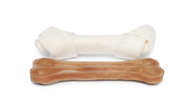
Bully Sticks vs Rawhide Deep Definitive Guide: Pros, Cons, and Choices
Posted by Greg C. on Feb 27, 2026
Bully Sticks vs Rawhide: The Deep Definitive Guide for Dog Owners
Introduction
Bully sticks are significantly safer than rawhide chews for dogs, and the evidence overwhelmingly supports this conclusion across digestibility, chemical exposure, and choking risk metrics. This guide provides dog owners with the complete analysis needed to make informed decisions about these two popular dog chews.
This definitive comparison covers safety profiles, digestibility mechanisms, manufacturing processes, veterinary perspectives, cost considerations, and practical selection guidance for both rawhide and bully sticks. Content outside this scope includes other natural dog chews like sweet potato chews or cow ears, though we’ll briefly reference them as alternatives. Pet parents who prioritize their furry companion’s health and safety over mere convenience or rock-bottom pricing will find this guide most valuable—especially those whose dogs have sensitive stomachs or belong to aggressive chewer categories.
The direct answer: Bully sticks stand as the definitively safer choice because they’re fully digestible within 2-4 hours, require no chemical processing, and present minimal choking hazard compared to rawhide treats that swell 3-4 times their size and may remain in a dog’s stomach for 24-72 hours.
Key outcomes from this guide:
-
Understanding the fundamental safety differences between bully sticks and rawhide
-
Grasping why digestibility determines emergency veterinary visit likelihood
-
Learning exactly what chemicals go into rawhide manufacturing
-
Calculating true cost when factoring in potential health risks
-
Applying selection criteria for your dog’s size and chewing needs
Understanding Dog Chew Safety Fundamentals
A safe dog chew must meet two non-negotiable criteria: it must break down efficiently in the digestive tract and not pose a significant choking hazard during normal use. When a dog gnaws on any chew, pieces inevitably separate and get swallowed—the question becomes whether those pieces dissolve like food or create dangerous obstructions.
Veterinary consensus strongly favors natural alternatives over heavily processed options. Surveys indicate approximately 95% of veterinarians recommend highly digestible, single-ingredient chews over chemically treated products when pet owners ask about safe options for satisfying their dog’s chewing instincts.
Digestibility Requirements
Digestible chews are those that stomach acids and enzymes can break down into absorbable nutrients within a reasonable timeframe, typically under 24 hours. This matters critically for intestinal health because indigestible materials either pass through, creating digestive upset, or, worse, accumulate and cause digestive blockages.
The connection between digestibility and emergency veterinary visits is direct and measurable. Approximately 40-50% of veterinary foreign body obstruction cases involving chews trace back to rawhide ingestion, with surgical interventions costing between $3,000-$7,000. A more durable chew that’s also highly digestible represents the ideal—long chew time without the health risks, especially when you factor in how bully sticks impact dogs’ teeth and dental health.
Chemical Processing Concerns
Chemical treatments fundamentally alter the safety of a chew product for canine consumption. When harsh chemicals such as formaldehyde, chromium salts, bleach, or artificial dyes come into contact with materials destined for your dog’s stomach, residues may remain and trigger allergic reactions, digestive upset, or cumulative toxicity.
The relationship between processing methods and long-term risks to dog health extends beyond immediate digestion. Sensitive dogs often show reactions to chemically treated products that manifest as skin irritation, chronic digestive issues, or unexplained lethargy. Understanding manufacturing processes becomes essential for any pet parents committed to their dog’s well-being.
This foundation in safety fundamentals prepares us to examine exactly what goes into rawhide production—and why those details should concern every dog owner.
Rawhide Manufacturing and Composition Analysis
With safety fundamentals established, rawhide’s specific manufacturing process reveals why veterinarians and many pet owners have grown increasingly concerned about this once-popular chew category.
Raw Material Sources
Rawhide derives from the inner layer of cattle hides and, in some cases, horse hides—primarily sourced as byproducts from the leather industry. The beef hide or other animal skin undergoes splitting to separate the outer grain layer (used for leather goods) from the inner corium layer that becomes rawhide.
Geographic sourcing creates significant regulatory variations. U.S.-manufactured rawhide typically follows stricter processing standards than imports from regions with minimal oversight. However, tracing the origin remains challenging since many products combine materials from multiple countries before final packaging.
Chemical Treatment Process
The transformation from rawhide to finished rawhide chews involves extensive chemical intervention:
-
Preservation bath: Fresh hides get treated with salt or chemical solutions to prevent decay during transport
-
Hair removal: Lime solutions (calcium hydroxide) soak the hides to remove hair and fat—a process requiring subsequent chemical washing
-
Bleaching and whitening: Hydrogen peroxide or chlorine-based compounds create the appealing white appearance consumers expect
-
Shaping and drying: Softening agents and sometimes formaldehyde-based preservatives prepare materials for molding
-
Flavoring and coloring: Additional chemicals add artificial scents and dyes to enhance palatability
Each step introduces toxic chemicals that may persist as residues in the finished product, making rawhide treats unsuitable for dogs with chemical sensitivities.
Final Product Characteristics
Finished rawhide exhibits distinctive physical properties that directly impact safety. The product offers initial durability and resistance to chewing, but breaks into large, sharp-edged chunks as it softens in saliva. These pieces don’t dissolve—they swell.
Nutritionally, rawhide provides minimal value. While technically containing collagen, the protein's bioavailability remains extremely low due to its cross-linked molecular structure, which resists enzymatic breakdown. The material offers limited nutritional value beyond basic bulk, making it more filler than a healthy treat.
The contrast with bully stick production couldn’t be more stark, as we’ll examine next, and many experts now outline the core problems with rawhide chews and why bully sticks are safer.
Bully Stick Production and Safety Profile
Understanding what makes bully sticks fundamentally different from rawhide requires examining what bully sticks are made from and how they’re processed through their single-ingredient manufacturing approach and the resulting safety advantages for most dogs.
Single-Ingredient Manufacturing Process
Single-ingredient processing matters most for sensitive dogs, aggressive chewers, and any pet owners who want complete ingredient transparency. Unlike rawhide’s multi-chemical transformation, high-quality bully sticks undergo minimal intervention:
-
Sourcing: Bull pizzle (penis muscle tissue) is collected from grass-fed, free-range cattle raised without antibiotics or hormones in premium operations
-
Cleaning: Natural washing removes any surface contaminants without chemical agents
-
Slow-baking or dehydration: Low-temperature processing over extended periods removes moisture while preserving protein structure
-
Quality control: Final inspection ensures consistency in size, texture, and safety before packaging
Premium manufacturers avoid preservatives entirely, relying on proper dehydration for shelf stability. The absence of chemicals means dogs prefer the natural flavor, while pet parents avoid exposing their furry companions to unnecessary additives, which is why many owners specifically seek out all-natural, high-quality bully sticks.
Bully sticks provide complete protein—often exceeding 80% crude protein content—and deliver essential amino acids to support muscle tissue maintenance. This nutritional value distinguishes them from rawhide’s empty collagen structure.
Safety and Digestibility Comparison
|
Factor |
Bully Sticks |
Rawhide |
|---|---|---|
|
Digestibility Time |
2-4 hours |
24-72 hours |
|
Blockage Risk |
Low |
High |
|
Chemical Processing |
None (premium products) |
Extensive |
|
Nutritional Value |
High protein (80%+) |
Minimal |
|
Veterinary Recommendation Rate |
~95% |
~40% |
|
Suitable for Sensitive Dogs |
Yes |
Generally No |
|
Swelling in Digestive Tract |
Minimal |
3-4x original size |
|
When comparing bully sticks and rawhide, this data clearly explains veterinary preferences. Bully sticks break down like the muscle tissue they are—stomach acids and digestive enzymes process them efficiently, just as they would any meat protein. Even when larger dogs swallow substantial pieces, the risk of intestinal blockages remains minimal because the pieces dissolve naturally. |
Rawhide’s collagen matrix resists this breakdown entirely, creating the conditions for emergency interventions that devastate both pet health and owner finances, a pattern explored in depth in rawhide vs bully sticks safety guides.
These comparative advantages naturally lead to addressing specific concerns dog owners encounter with chew products, reinforcing the broader case made in bully sticks vs. rawhide chew comparisons.
Common Safety Concerns and Solutions
Real-world chewing presents challenges regardless of product choice. Understanding prevention strategies helps dog owners maximize safety while satisfying their dog’s chewing instincts.
Choking and Blockage Prevention
For both rawhide and bully sticks, supervision remains the primary safety measure. Active dogs can consume chews faster than expected, and light chewers may suddenly become aggressive once they discover an appealing product.
Actionable prevention steps:
-
Match chew size to your dog’s size—smaller dogs need proportionally sized options while larger dogs require thicker, longer products
-
Remove any chew when it becomes small enough to swallow whole (typically under 3-4 inches for medium dogs)
-
Introduce new chews during calm periods when you can observe initial chewing behavior
-
Consider bully stick holders that prevent swallowing the final portion
Choose bully sticks specifically because even if pieces are swallowed, they remain highly digestible rather than creating the intestinal blockages common with rawhide. The right chew eliminates the risk of blockage entirely when paired with bully stick choking prevention best practices.
Chemical Sensitivity Management
Dogs with chemical sensitivities require careful selection of chew toys. Signs of a reaction include excessive scratching, digestive upset after chewing rawhide treats, or unusual lethargy, specifically after rawhide treats.
Solutions for sensitive dogs:
-
Eliminate all chemically treated products immediately, including rawhide, regardless of origin
-
Transition to single-ingredient chews like bully sticks from verified sources
-
Start with short chew time sessions to monitor tolerance
-
Maintain consistency once you identify well-tolerated products
Bully sticks offer the ideal solution for sensitive stomachs because their single-ingredient composition eliminates variables. When reactions occur, identification and elimination become straightforward compared to multi-ingredient or chemically processed alternatives, as long as you understand how bully sticks can sometimes make dogs sick and how to feed them safely.
Aggressive Chewer Considerations
Power chewers pose unique challenges because they consume standard chews rapidly and may swallow large chunks before they are adequately softened. For these dogs, rawhide becomes particularly dangerous—faster consumption means larger, harder pieces entering the digestive tract.
Specific recommendations for aggressive chewers:
-
Select extra-thick bully sticks (1+ inch diameter) or braided varieties that extend chew time
-
Match 12-inch lengths for heavy chewers weighing over 50 pounds
-
Consider jumbo or monster-sized options specifically designed for more durable chew requirements
-
Rotate between chew types to prevent both boredom and repetitive dental wear
Many dogs classified as aggressive chewers simply need appropriately sized products. When bully sticks stand up to their intensity, the combination of entertainment and dental health benefits makes them invaluable for portion control during high-energy periods, especially once you understand what bully sticks are and how they benefit dogs.
Conclusion and Next Steps
Comparing bully sticks vs rawhide reveals clear winners and losers across every meaningful safety metric. Bully sticks provide digestibility, nutritional value, and chemical-free composition that rawhide simply cannot match, regardless of sourcing or price point. The healthier choice protects against emergency surgeries, supports dental health by reducing tartar buildup, and safely satisfies natural chewing needs, as shown in comprehensive bully sticks versus rawhide comparison guides.
Immediate actionable steps:
-
Audit your current dog chew inventory and remove any rawhide treats, regardless of remaining quantity
-
Select bully sticks appropriate for your dog’s size and chewing intensity (thin 4-6 inch for smaller dogs/light chewers, thick 12-inch for larger dogs/power chewers)
-
Establish supervision routines for all chew sessions, removing products when they reach swallowable size
-
Source high-quality bully sticks from grass-fed cattle through reputable suppliers
For pet owners interested in expanding their natural chew rotation, other natural chews worth exploring include collagen sticks for joint support, pig ears for variety, and long-lasting chew options like Himalayan yak chews. Understanding the dental health benefits of regular chewing also helps maximize your investment in premium products.
Additional Resources
-
Emergency response: Learn to recognize choking signs and execute the canine Heimlich maneuver before incidents occur
-
Size selection guidance: Match your dog’s weight and chewing style to appropriate bully stick dimensions for optimal safety and value
-
Autoship options: Ensure a consistent supply of safe chews while often saving 10-15% through subscription programs
-
Veterinary consultation: Discuss any existing digestive concerns with your vet before introducing new chew products, especially for dogs with documented sensitivities