
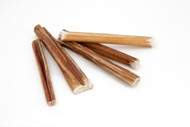
The Best Dog Chew Bully Sticks: Benefits and Tips for Pet Owners
Posted by Greg C. on Dec 28, 2025
Dog Chew Bully Sticks: The Complete Guide to Safe, Natural Chewing
Introduction
Bully sticks are single-ingredient beef chews made from dried bull pizzle that offer dogs a fully digestible, long-lasting chew without the safety concerns associated with rawhide or artificial additives. For dog lovers searching for natural chews that won’t cause intestinal blockages or splinter into dangerous pieces, bully sticks represent one of the safest options available. Treating our dogs as friends means caring for their well-being, and choosing high-quality chews like bully sticks is a great way to show love and strengthen the bond you share.
This guide covers everything you need to know about selecting, using, and storing bully sticks for dogs of all sizes and chewing intensities. We focus specifically on beef bully sticks rather than other natural chews, addressing the practical questions dog owners face when introducing these treats to their pets. Whether you have a pup just starting to chew or adult dogs with years of experience destroying toys, this information applies to your situation.
The direct answer: Bully sticks are safe, healthy dog treats made from 100% beef muscle that dogs love and can fully digest, making them a superior alternative to rawhide and synthetic chews for most breeds.
By the end of this guide, you will understand:
-
What bully sticks are made from and why they’re considered safe
-
How to select the right size and shape for your dog’s chewing style
-
Proper usage guidelines to maximize benefits and minimize risks
-
Solutions to common challenges like odor and cost concerns
-
When bully sticks may not be appropriate for certain dogs
Understanding Bully Sticks
Bully sticks have become a top choice among veterinarians and trainers for their combination of durability and digestibility. Unlike many dog treats that contain fillers or artificial ingredients, natural bully sticks offer a straightforward chewing experience that satisfies your dog’s instinctual need to gnaw while supporting dental health.
What Bully Sticks Are Made From
Beef pizzle—the bull pizzle or steer pizzle from cattle—forms the single ingredient in quality bully sticks. This beef muscle tissue is cleaned, stretched into various shapes, and then slow-roasted or dehydrated to reduce its moisture content by approximately 80%. The result is a tough, fibrous dog chew with protein levels reaching 70-90% by dry weight.
The manufacturing process for the highest-quality products uses no artificial additives, preservatives, or chemical treatments. Reputable brands source from free-range or grass-fed cattle and emphasize transparent processing to preserve the treat's all-natural character. When you read a label listing only “beef pizzle” as the ingredient, you’re looking at what a genuine single-ingredient chew should contain. In contrast, traditional rawhide chews are made from cowhides, often rolled into specific shapes and treated with chemicals, making them very different from the single-ingredient bully stick.
Safety and Digestibility
What sets bully sticks apart from many other chews is their fully digestible nature. Because they’re made from actual beef muscle rather than processed hide like rawhide, bully sticks break down in your dog’s stomach rather than swelling or forming indigestible masses. This significantly reduces the risk of intestinal blockages that can require emergency veterinary intervention.
The difference in safety profile compared to rawhide is substantial. While rawhide is processed and can form dangerous chunks that dogs swallow without properly chewing, bully sticks soften and fray as dogs work on them. They don’t splinter like cooked bones or break into sharp pieces that could damage teeth or internal tissues. This combination of durability and digestibility explains why bully sticks that are safe for regular use have become a go-to recommendation for health-conscious pet owners. However, overfeeding bully sticks can lead to obesity or other health complications, so moderation is essential to prevent these adverse outcomes.
Understanding these safety fundamentals leads naturally to the question of which type and size will work best for your specific dog.
Types and Sizes of Bully Sticks
The variety of bully stick options available reflects the reality that dogs differ dramatically in size, chewing strength, and preferences. What works for a Chihuahua would disappear in seconds for a German Shepherd, and what challenges a power chewer might find frustrating would frustrate a light chewer for hours.
Size Classifications
Bully sticks typically come in thin, standard, thick, and jumbo sizes, with lengths ranging from 4 inches for small dogs to 12 inches or longer for large dogs and aggressive chewers.
Thin sticks (approximately pencil-thickness) suit puppies and small breeds under 20 pounds. These provide adequate chew time without overwhelming smaller jaws.
Standard sticks work well for medium-sized breeds and light chewers among larger dogs. Expect roughly 30-60 minutes of engagement from an average chewer.
Thick and jumbo sticks are designed for power chewers and are suitable for breeds over 50 pounds. The extra diameter can triple the chew time compared to standard options.
Shape Variations
Beyond standard bully sticks, manufacturers offer braided bully sticks, twisted versions, and shaped options such as rings or pretzels.
Straight sticks represent the baseline product—simple, effective, and widely available. They work for most dogs and chewing styles.
Braided bully sticks combine 2-3 pizzles woven together, creating significantly greater density and a more challenging chew. These are ideal for aggressive chewers who demolish standard sticks too quickly, often providing 60-90 minutes of engagement.
Twisted and shaped varieties add visual interest and different chewing angles. Curly sticks offer more surface area, while rings encourage different gnawing patterns.
Special Considerations for Puppies
Puppies can safely enjoy bully sticks once their adult teeth begin emerging, typically around 3-4 months of age. For these young chewer, select thinner, shorter sticks that match their developing jaw strength.
Supervision becomes particularly important with puppies, who haven’t yet learned to pace their chewing and may attempt to swallow pieces that are still too large. Remove sticks when they become small enough to pose a choking hazard—generally the last 1-2 inches.
The goal for your pup is to satisfy the intense chewing urge that accompanies teething while building good habits around appropriate chew toys. An appropriately sized bully stick can redirect chewing away from shoes and furniture while supporting healthy jaw muscle development.
With these options understood, the next step is to match the right product to your dog’s specific characteristics and establish safe usage practices.
Selecting and Using Bully Sticks Properly
Choosing the best bully sticks for your dog involves more than grabbing whatever’s on sale. A systematic approach ensures you maximize benefits while minimizing waste and potential problems.
Selection Process Based on Dog Characteristics
Before purchasing, work through these considerations:
-
Assess your dog’s size and weight. Small dogs under 20 pounds typically need 4-6-inch thin sticks. Medium breeds (20-50 pounds) do well with a 6-inch standard thickness. Large dogs over 50 pounds benefit from thick or jumbo sticks 6-12 inches long.
-
Evaluate chewing strength and style. Watch how your dog handles current chews. Do they methodically gnaw or attack aggressively? Power chewers need braided bully sticks or extra-thick options. Light chewers may find standard sticks perfectly challenging.
-
Consider dietary restrictions. Dogs with beef allergies cannot have standard beef bully sticks. Those on weight-management programs need careful calorie tracking. Dogs with recent dental surgery should avoid hard chews entirely until cleared by a veterinarian.
-
Choose an appropriate size and thickness. Match your assessment to available products, erring on the side of slightly larger and thicker if uncertain. One bully stick that lasts appropriately is better than several that disappear too quickly.
Usage Guidelines and Frequency
Treat bully sticks as high-value treats rather than dietary staples. Most veterinarians recommend limiting feeding to once daily maximum, with many suggesting only a few sessions per week, depending on your dog’s size and caloric needs.
The 10% rule applies: treats, including bully sticks, should comprise no more than 10% of your dog’s daily caloric intake. Since bully sticks are calorie-dense—potentially 100-300+ calories for a 12-inch stick—this matters significantly for small dogs or those prone to weight gain.
Always supervise chewing sessions. While bully sticks are among the safest options available, no chew is entirely risk-free. Remove the last 1-2 inches once the stick is small enough to swallow whole, reducing the risk of choking.
Comparison with Other Chew Options
|
Criterion |
Bully Sticks |
Rawhide |
Synthetic Chews |
|---|---|---|---|
|
Digestibility |
Fully digestible |
Partially digestible, can cause blockages |
Varies widely |
|
Safety |
No splintering, softens when chewed |
Can swell in stomach, chemical processing concerns |
Generally safe but less satisfying |
|
Longevity |
30-90+ minutes typically |
Highly variable |
Usually shorter |
|
Natural ingredients |
Single ingredient, no additives |
Often chemically treated |
Frequently contain artificial components |
This comparison explains why many dog owners choose bully sticks as their preferred natural chew. Brands like Jack&Pup emphasize natural, high-quality bully sticks as a superior alternative to rawhide and synthetic chews, focusing on premium ingredients and safe, digestible treats.
The combination of safety, digestibility, and genuine engagement makes them worth the typically higher cost compared to alternatives.
Understanding common issues helps you troubleshoot effectively when challenges arise.
Common Challenges and Solutions
Even with proper selection and usage, dog owners frequently encounter predictable issues when introducing bully sticks into their feeding routine.
Strong Odor Concerns
Natural bully sticks often have a noticeable smell that some owners find unpleasant. This odor actually indicates authenticity—it’s concentrated beef protein doing precisely what it should.
Several approaches help manage the smell: store sticks in sealed containers, keep them outdoors or in easily cleaned areas, or choose odor-free or low-odor products. These reduced-smell options undergo additional processing to minimize the distinctive scent while maintaining the treat’s appeal to your dog.
Chew Lasting Too Long or Too Short
When sticks disappear within minutes, your dog needs thicker or braided options. Aggressive chewers often require jumbo sizing or multiple-pizzle braids to achieve reasonable chew time.
Conversely, if your dog loses interest before making progress, try thinner sticks or consider that bully sticks may be too challenging. Some dogs, particularly seniors or those with dental issues, benefit from softer chews like collagen sticks.
Cost Considerations
Quality bully sticks cost more than rawhide or many synthetic alternatives. However, comparing that cost against potential veterinary bills from intestinal blockages or dental damage puts the expense in perspective.
Bulk buying from reputable brands typically reduces per-stick cost significantly. Proper storage—cool, dry conditions in sealed containers—maintains freshness and prevents waste. Consider the value proposition: a delicious, healthy, long-lasting treat that satisfies your dog’s chewing instinct while supporting dental hygiene and reducing anxiety represents genuine value for most families.
These solutions address the most common concerns, but the fundamental message remains consistent: proper selection and supervision make bully sticks a worthwhile investment in your dog’s health and happiness.
Conclusion and Next Steps
Bully sticks offer dog owners a rare combination of safety, digestibility, and genuine engagement that few other chews can match. When you select the appropriate size for your dog’s breed and chewing style, supervise usage properly, and account for calories in your feeding plan, these natural treats deliver meaningful benefits for dental health, stress reduction, and behavioral satisfaction.
To get started effectively:
-
Assess your dog’s size, age, and chewing intensity honestly
-
Establish a feeding routine that treats bully sticks as occasional rewards rather than daily staples
-
Supervise every chewing session and remove small pieces before they become choking hazards
-
Store properly and monitor for any signs of digestive upset during initial introduction.
Related topics worth exploring include using bully sticks as high-value training rewards, understanding how regular chewing supports tartar buildup prevention, and comparing other natural options, such as collagen sticks or tendons, for dogs with specific needs.
Additional Resources
Size Selection Guidelines:
-
Dogs under 10 lbs: 4-inch thin sticks
-
Dogs 10-25 lbs: 6-inch standard sticks
-
Dogs 25-50 lbs: 6-inch thick or 12-inch standard sticks
-
Dogs over 50 lbs: 12-inch thick, jumbo, or braided options
Storage Recommendations:
-
Keep in airtight containers in cool, dry locations
-
Avoid humidity, which promotes bacterial growth
-
Discard any sticks showing mold, unusual discoloration, or off-putting deterioration beyond typical odor
Signs to Monitor During Chewing:
-
Gulping or attempting to swallow large pieces (remove the stick and offer a smaller alternative)
-
Excessive drooling or pawing at the mouth (check for stuck pieces)
-
Loss of interest combined with digestive upset afterward (may indicate sensitivity)
-
Aggressive resource guarding (work with a trainer on appropriate intervention strategies)