

Description
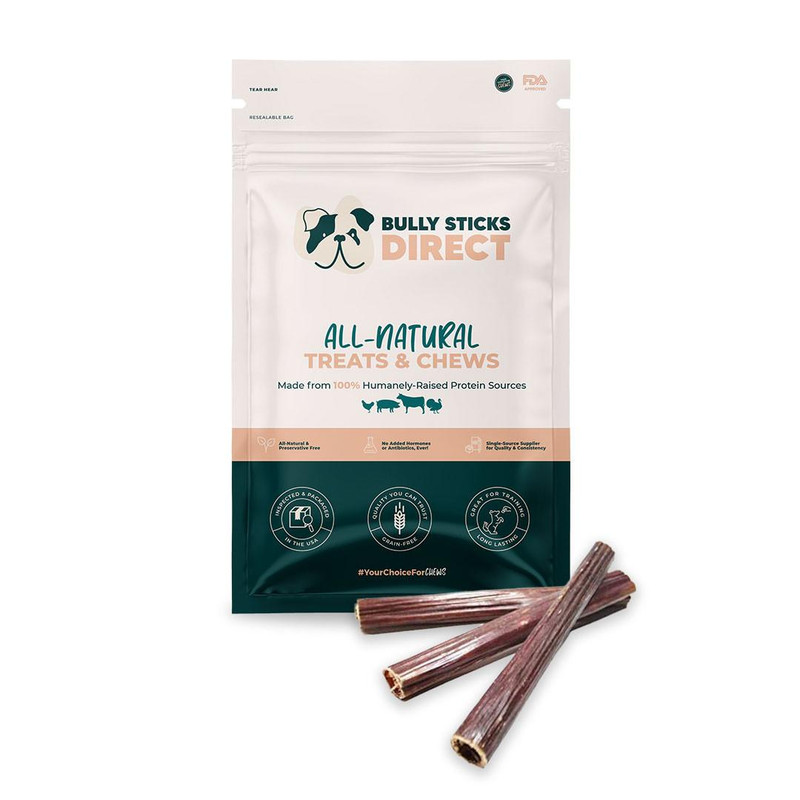
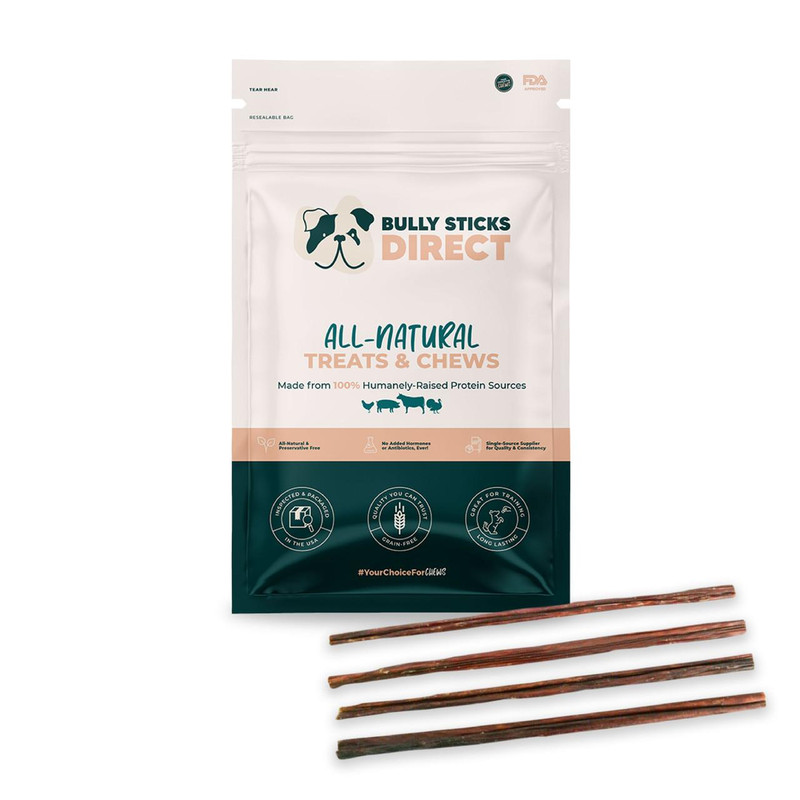
BSD's 12" Moo Taffy Sticks are 100% beef esophagus — the dried muscular tube of cattle — in the natural round tubular form, 12 inches long, processed without additives, preservatives, or chemical treatment. The texture is fundamentally different from bully sticks and collagen sticks: esophageal tissue compresses progressively under jaw pressure rather than requiring the sustained shearing force that dense dried pizzle or corium demands. This texture profile is not a quality limitation — it is the specific functional property that makes the 12" Moo Taffy Stick the correct format for the largest and most urgent population in BSD's customer base: large breed senior dogs aged 7 and older who need the behavioral welfare of long-session chewing but cannot comfortably engage with hard-format chews on aging teeth.
Veterinary epidemiology estimates that 80% of dogs over age eight show radiographic signs of osteoarthritis — that is, the great majority of the approximately 27 million dogs over age seven in American households showing some degree of joint degeneration. The Labs, Goldens, German Shepherds, and Rottweilers that make up BSD's core customer base have particularly high rates of joint disease: the OFA reports hip dysplasia in approximately 12% of Labs screened, 20% of Goldens, 20% of German Shepherds, and a remarkable 40% of Rottweilers. These are the dogs whose owners have been buying BSD bully sticks for years, and whose aging jaws are becoming unable to work through a 12" bully stick for 45 minutes the way they used to. The 12" Moo Taffy Stick restores that session in a softer format — same 12" stick form, same supervised chewing routine, same behavioral enrichment — while delivering naturally occurring chondroitin sulfate that their increasingly arthritic joints need more as each year passes.
Chondroitin sulfate from beef esophagus directly addresses the joint disease mechanism. The glycosaminoglycan-rich submucosal connective tissue of the esophageal wall contains chondroitin sulfate that inhibits matrix metalloproteinases (MMPs) and aggrecanases — the enzymes that actively degrade the cartilage matrix in osteoarthritis. Slowing this degradation pathway while maintaining joint support through consistent dietary chondroitin supplementation is the core mechanism of action in veterinary practice. The 12" Moo Taffy Stick delivers this through a 30–50 minute chew session that is reliably completed, in contrast to the chondroitin supplement capsules that the majority of dogs will resist, spit out, or eat around when hidden in food.
The senior large dog chewing transition — why this is BSD's most important senior dog product: A 9-year-old Lab with hip dysplasia and aging teeth faces a convergence of two problems that the 12" Moo Taffy Stick addresses simultaneously. Problem one: bully sticks have become uncomfortable. The Lab that used to work through a 12" select bully stick for 45 minutes now abandons it after 12 minutes because the hard resistance is painful on her worn teeth and inflamed gums. Removing the bully stick from her routine removes her primary daily behavioral enrichment tool — the cortisol-suppressing endorphin release that sustained chewing provides, the dental contact that maintains gingival circulation, and the focused, calm state that helps her manage the discomfort of chronic joint pain. Problem two: her joints need chondroitin more than ever, and she has been spitting out her Cosequin capsules for three months. The 12" Moo Taffy Stick solves both: a 12" stick-format chew in soft esophageal tissue that her aging jaw can engage with for 35–48 minutes, delivering naturally occurring chondroitin sulfate with zero capsule administration friction. For the senior large-dog owner who has been watching their dog struggle with hard chews and reject supplements simultaneously, this is the product that resolves both issues at once.
The Chondroitin Science — What Beef Esophagus Actually Provides
Chondroitin sulfate in articular cartilage serves two functions that are both progressively lost in osteoarthritis. First, chondroitin sulfate is the primary glycosaminoglycan in the aggrecan proteoglycan complexes that give cartilage its compressive stiffness and water-binding capacity. As osteoarthritis progresses, chondroitin sulfate content in cartilage declines, the cartilage loses its cushioning ability, and bone-on-bone contact begins. Second, chondroitin sulfate inhibits the enzymatic activity of matrix metalloproteinases (collagenase MMP-1, stromelysin MMP-3) and aggrecanases (ADAMTS-4 and ADAMTS-5) — the enzymes that actively cleave the collagen and aggrecan components of the cartilage matrix. By inhibiting these degradative enzymes, dietary chondroitin supplementation slows the enzymatic breakdown of cartilage that drives progression from early to advanced osteoarthritis.
Beef esophagus naturally contains chondroitin sulfate in its glycosaminoglycan-rich submucosal connective tissue. This is the same chondroitin sulfate that commercial joint supplements isolate and deliver in capsule form — the biochemical mechanism is identical. The DOGS study (a randomized controlled trial of glucosamine and chondroitin in dogs published in the Journal of Veterinary Internal Medicine) found measurable improvement in osteoarthritis scores in dogs receiving chondroitin supplementation versus placebo. Food-source chondroitin from beef esophagus contributes to the same protective pathway through consistent dietary delivery.
12" Moo Taffy Stick vs. 12" Bully Stick vs. 12" Collagen Stick — The Senior Dog Chew Comparison
| Variable | 12" Moo Taffy Stick | 12" Bully Stick | 12" Collagen Stick |
|---|---|---|---|
| Ingredient | Beef esophagus | Beef pizzle (muscle) | Beef corium (inner hide) |
| Texture | Soft, pliable, compressible | Dense, firm, requires shearing | Firm, slightly flexible |
| Key joint nutrient | Chondroitin sulfate | None directly | Type I collagen peptides |
| Senior dog (8+) suitability | Best — softest format | Good for healthy senior teeth | Good for healthy senior teeth |
| Dental-sensitive dogs | Best choice available | Maybe too hard | Maybe too hard |
| Session (70 lb dog) | 32–48 min | 28–45 min | 32–50 min |
| Best rotation role | 2–3x/week chondroitin days | Daily primary enrichment | 2–3x/week collagen days |
Breed-Specific Applications — The Four Large Breeds That Need This Most
Labrador Retrievers (55–80 lbs, ~12% hip dysplasia rate per OFA) — Labs are BSD's most common customer and the breed most likely to be managing joint disease alongside the dental aging that makes hard chews difficult. A 9-year-old Lab with hip dysplasia and worn teeth is the exact patient this product was designed for. Labs also carry the POMC gene variant predisposing to obesity — the soft texture of the 12" Moo Taffy Stick should not be interpreted as a lower-intensity chew for caloric purposes; calorie-count the contribution as you would any other 12" chew and reduce kibble accordingly.
Golden Retrievers (55–75 lbs, ~20% hip dysplasia rate per OFA) — Senior Goldens frequently develop both dental disease and joint disease in the same years, creating the exact double-problem the 12" Moo Taffy Stick addresses. Goldens with documented DCM cardiac concerns also benefit from the clean single-ingredient, no-additive profile — no undisclosed secondary proteins, no "natural flavors," full ingredient transparency for owners managing sensitive cardiac protocols.
German Shepherds (55–90 lbs, ~20% hip dysplasia plus degenerative myelopathy) — Senior Shepherds managing spinal and joint conditions need the softer format, as aging makes hard-format sustained chewing uncomfortable. Chondroitin from esophageal tissue supports cartilaginous connective tissue relevant to both degenerative myelopathy and hip dysplasia.
Rottweilers (80–130 lbs, ~40% elbow dysplasia rate per OFA) — Rottweilers have the highest elbow dysplasia rates of any major breed, making proactive joint support essential from middle age onward. Senior Rottweilers 8+ years benefit from the softer texture that allows sustained engagement without the jaw stress that hard-format chews impose on aging large-breed dentition.
Bernese Mountain Dogs (70–115 lbs, shortened lifespan ~7–8 years) — Berners enter their senior years at a younger age than most large breeds and face accelerated joint decline. The 12" Moo Taffy Stick is appropriate for Berners from age 5–6 onward — earlier than most large breeds — given the compressed lifespan timeline.
Session Duration by Dog Size
| Dog Weight | Chewer Type | Est. Session | Notes |
|---|---|---|---|
| 30–50 lbs | Moderate | 38–52 min | Excellent soft session for medium dogs |
| 50–70 lbs | Moderate | 32–48 min | Primary senior soft chew for this range |
| 70–90 lbs | Moderate | 28–42 min | Appropriate; braided for a longer duration |
| 90–100+ lbs | Moderate | 22–35 min | Use a braided gullet for 40+ min sessions |
| Any | Aggressive | 12–22 min | Braided gullet for extended sessions |
Introduction, Protocol, and Storage
First introduction: Give one 12" Moo Taffy Stick in a supervised 15-minute first session. The texture is different from bully sticks — softer, slightly pliable. Most dogs that have been on bully sticks engage with the gullet stick readily in the first session. Some dogs habituated to very hard formats may approach the softer texture with initial hesitation — warm the stick briefly in your hand before presenting to enhance the beef scent signals that drive engagement.
Ongoing rotation: 2–4 sessions per week as the chondroitin rotation component. For senior dogs in which gullet has replaced hard-format chews as the primary long-session chew, daily use is appropriate for most healthy senior dogs. Factor caloric contribution into daily intake on gullet stick days.
Storage: Seal immediately after every use. Cool, dry location. Consume the opened bag within 3–4 months. Naturally dried product without chemical preservatives — keep away from humidity.
Frequently Asked Questions
The 12" Moo Taffy Stick is the direct replacement you are looking for. Your Lab has a decade-long behavioral association with the 12" stick-format chew — the routine of receiving a stick, settling somewhere comfortable, and working through it for 35–45 minutes is a core part of her daily life that her welfare depends on. Switching to a completely different format (small chips, strips, entirely different products) disrupts that association unnecessarily. The 12" Moo Taffy Stick maintains the same stick form factor in beef esophagus rather than beef pizzle — same length, same presentation, same supervised session routine — in a soft, pliable texture that aging teeth and gums can engage with comfortably for a full 35–48 minute session. First session: offer the stick in the same context you have always given bully sticks. Most senior Labs accept the softer texture immediately in the first session. The chondroitin in the beef esophagus is additionally relevant for her hip dysplasia or osteoarthritis at this age, providing food-source chondroitin support alongside any supplement protocol her veterinarian has recommended.
Food-source chondroitin from beef esophagus is not a pharmaceutical-dose replacement for a specifically calibrated veterinary supplement — and it is important to be honest about that distinction. A Cosequin DS capsule contains a calibrated dose of chondroitin sulfate standardized to a specific concentration. Beef gullet provides a naturally occurring chondroitin content that varies by tissue but delivers a consistent, meaningful dietary chondroitin per session. For a dog that has been reliably refusing her supplements, the practical calculus changes: zero-compliance supplementation delivers zero benefit. Regular 12" Moo Taffy Stick use 2–3 times per week delivers food-source chondroitin with 100% consumption compliance every session. Discuss with your veterinarian whether a food-source chondroitin strategy via gullet sticks — reliably consumed every time — is appropriate for your dog's specific joint condition and severity. In many cases, veterinarians support this approach for dogs with mild-to-moderate disease where supplement compliance has been poor, particularly alongside other management strategies like weight management and controlled exercise.
Yes — beef esophagus is fully digestible and safe for large dogs. The esophageal tissue breaks down normally in stomach acid through enzymatic digestion, unlike rawhide, which undergoes chemical processing that produces poorly digestible pieces that can obstruct. Naturally dried beef esophagus softens as it is chewed, and the pieces the dog swallows progressively digest normally in the GI tract. The standard safe-chew practices still apply: supervise sessions, particularly as the stick approaches its final 3–4 inches, and remove it at that point to prevent the dog from attempting to swallow the remaining nub whole before it is worked down further. For large dogs specifically, the removal point is slightly larger than for small dogs — 4" remaining is the safe removal point for an 80+ lb dog, because the size of a piece that a large jaw can attempt to gulp in a single swallow is larger than for small breeds.
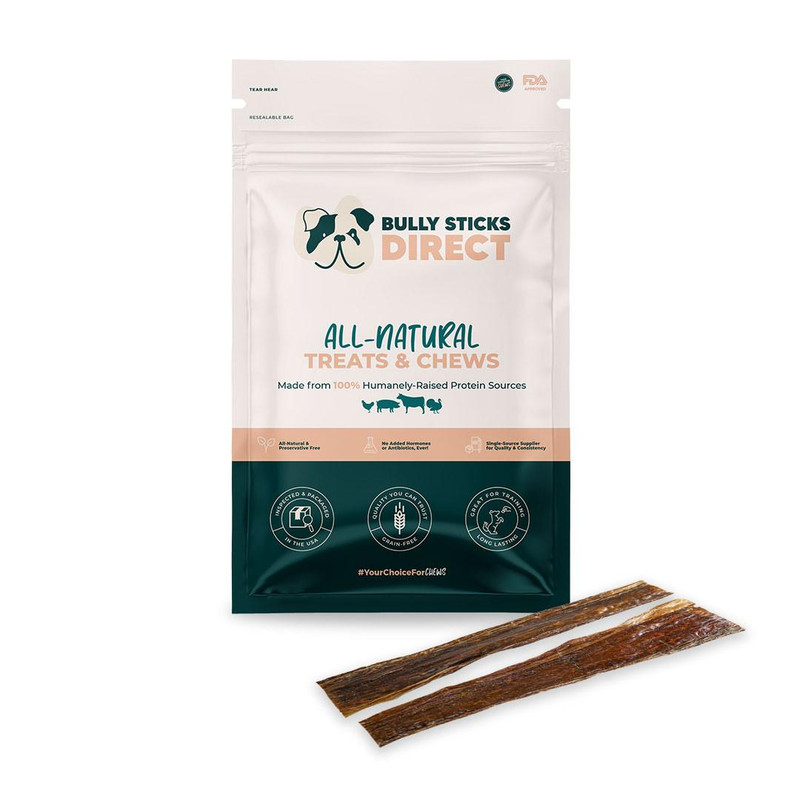
Same ingredient (100% beef esophagus), same chondroitin content, same nutritional profile. The difference is geometry. The 12" Moo Taffy Stick retains the natural round tubular form of the esophagus — dogs hold it from one end and work progressively down, like a bully stick. The 12" Moo Taffy Strip is cut flat from the esophagus wall into a ribbon form — wider, thinner, different grip geometry. For a senior Golden that has been on 12" bully sticks for years, the round stick format is the natural continuation in a soft-format product because it maintains the familiar grip and interaction pattern. If your Golden has been inconsistent with round stick formats — abandoning them at the midpoint regularly — try the flat strip format, which produces a different engagement pattern that some dogs work through more consistently. Both formats provide equivalent chondroitin delivery per gram of product consumed.
For senior dogs in which gullet has replaced harder formats as the primary daily long-session chew, daily use is appropriate for most healthy large senior dogs without specific dietary restrictions. The 12" Moo Taffy Stick contributes approximately 80–130 calories per session — lower than a comparable 12" bully stick (180–225 cal) due to the lower fat content of esophagus versus pizzle. This favorable caloric profile is useful for senior dogs where weight management is a concurrent concern alongside joint management — obesity significantly worsens osteoarthritis outcomes, and a lower-calorie soft-format chew that the dog will complete fully every session is preferable to a higher-calorie hard-format chew that the senior dog leaves half-finished. For dogs using gullet as a rotation component alongside bully sticks on other days, 2–3 gullet sessions per week provide consistent chondroitin delivery through the treat rotation. Adjust kibble on gullet days to account for the caloric contribution.
Do not give any chew without explicit veterinary clearance during the post-extraction recovery period. The timeline for reintroducing soft chews after dental extractions varies significantly depending on the number and location of extractions, the dog's age, and individual healing progress. Your veterinarian will confirm when soft chews are appropriate during recovery check-ups. When your veterinarian specifically clears "soft chews," the 12" Moo Taffy Stick is an appropriate format — its pliable texture does not require the sustained jaw force that could stress healing extraction sites, unlike hard-format chews that are clearly contraindicated until full healing is confirmed. Have the product ready for when clearance is given. Note the distinction: "soft treats" (kibble-like texture, consumed in seconds) and "soft chew sessions" (20–40+ minutes of sustained jaw engagement) are different from a healing standpoint — make sure your veterinarian is specifically clearing sustained chew sessions, not just soft treats, before initiating a full gullet stick session post-surgery.
Instructions
Feeding Instructions :
Please monitor your dog while feeding these gourmet natural treats, they are fully digestible however, please always provide a fresh supply of drinking water for your pup.
Recommendations:
Store your bully sticks in the original zip lock bag under cool conditions