
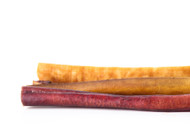
Are Bully Sticks Better Than Rawhide? A Vet-Backed Comparison
Posted by Greg C. on Feb 03, 2026
Bully Sticks Vs Rawhide: A Vet-Backed Comparison
Bully sticks are generally safer than rawhide according to veterinary consensus, making them the preferred choice for pet parents seeking reliable, long-lasting chews for their dogs. This comparison addresses what responsible dog owners demand: clear, evidence-based guidance on which dog chew treats best protect their canine companion while satisfying natural chewing instincts. Understanding your dog's chewing instincts is crucial for selecting safe, appropriate chews that support both their well-being and natural behaviors.
This article covers the critical differences between rawhide and bully sticks—examining safety profiles, digestibility, nutritional value, and practical considerations that affect your purchasing decision. The choice of chew can directly impact your dog's dental health and provide important health benefits, such as cleaner teeth, fresher breath, and improved overall well-being. We’re writing for dog owners who want to make informed choices rather than relying on marketing claims or cheaper alternatives that may compromise their dog’s health.
The direct answer: Yes, bully sticks are typically better than rawhide. Unlike rawhide, bully sticks offer superior digestibility, are considered natural dog treats, contain no chemical additives, and pose significantly lower risk of blockage—making them the vet-preferred option for most dogs.
By the end of this comparison, you’ll understand:
-
Why digestibility differences matter for your dog’s stomach and overall safety
-
How chemical processing affects long-term health outcomes
-
What veterinary professionals recommend and why
-
Practical selection guidance based on your dog’s chewing style
-
True cost-effectiveness when factoring in potential veterinary emergencies
Understanding Both Chew Options
Before comparing safety profiles, it is essential to define precisely what makes bully sticks and rawhide chews fundamentally different. The manufacturing processes determine everything from digestibility to chemical exposure—knowledge that directly impacts which chews belong in your home, especially when considering the safety of rawhide treats and rawhide products.
What Are Bully Sticks
Bully sticks are single-ingredient chews made from 100% beef pizzle (the muscle tissue of cattle), typically sourced from grass-fed beef. What makes bully sticks stand apart is their minimal processing: manufacturers slow-dry the muscle tissue without chemicals, artificial additives, or preservatives, preserving the natural protein content. As natural dog chews, bully sticks are a wholesome choice for pet owners seeking safe and healthy options.
High-quality bully sticks deliver substantial nutritional value, with premium sticks containing 80-90% crude protein to support muscle health and provide essential nutrients. This protein-dense composition means dog bully sticks function as more than entertainment—they’re a meaningful dietary supplement. Bully sticks are also a fully digestible and easily digestible healthy treat, making them a safer alternative to rawhide for your dog’s digestive health.
The single-ingredient nature of quality bully sticks matters because it eliminates variables. When you choose premium bully sticks from reputable bully stick brands, you know exactly what your furry friend is consuming: dried beef muscle, nothing more.
What Is Rawhide
Rawhide originates from the inner layer of cow or horse hides, typically a byproduct of the leather industry. The manufacturing process involves extensive chemical treatments—washes with bleach, formaldehyde, or chromium salts—to remove hair and fat while achieving desired textures and colors.
This chemically treated processing raises legitimate concerns about residue accumulation from long-term ingestion. Rawhide chews often contain artificial flavorings and preservatives to extend shelf life and enhance palatability, adding more synthetic compounds to an already processed product. These additives can cause allergic reactions in sensitive dogs.
The relationship between processing methods and safety outcomes becomes clear in the next section: how a chew is made directly determines how safely it breaks down in your dog’s stomach. Rawhide products are also associated with a risk of digestive blockages, as they are not fully digestible and can cause dangerous obstructions in your dog’s digestive system.
Bully Sticks and Rawhide: A Comparison of Ingredients
For many pet parents, the ingredient list is the deciding factor when choosing between popular dog chews like bully sticks and rawhide. Knowing exactly what goes into your dog’s treats is essential for making a healthier choice that supports your dog’s well-being.
Bully sticks stand out for their simplicity—they’re made from a single ingredient: 100% beef muscle, specifically bull pizzle. This means when you offer your dog a bully stick, you’re giving them a natural dog chew with no hidden additives, fillers, or artificial preservatives. The straightforward composition appeals to pet parents who want transparency and minimal processing in their dog’s diet.
Rawhide, on the other hand, is made from the inner layer of cow or horse hides. While it might sound natural at first, the process often involves multiple steps to strip, clean, and treat the rawhide, sometimes introducing chemicals or artificial flavorings along the way. This complexity can make it harder for pet parents to know exactly what their dogs are consuming, and it’s one reason many are turning to bully sticks as a healthier option.
Ultimately, comparing bully sticks and rawhide on ingredients alone highlights a clear difference: bully sticks offer a single, natural source of protein, while rawhide chews may contain a mix of animal hide and added substances. For pet parents seeking the best for their dog, understanding these ingredient differences is a key step toward making a safer, more nutritious selection.
Safety and Digestibility Comparison
Understanding the definitions above explains why differences in digestibility lead to divergent safety profiles. The difference between bully sticks and rawhide in the digestive tract highlights the importance of how chews interact with your dog's digestive system and stomach, as some chews are more easily broken down and safer for your pet. The difference between bully sticks and rawhide in the digestive tract explains the veterinary preference for natural alternatives, especially considering the health risks and potential for intestinal blockage associated with rawhide.
Digestibility Differences
Bully sticks are highly digestible because they’re pure muscle protein. Your dog’s stomach acids and enzymes efficiently break down bully stick pieces within 2-4 hours, minimizing gastrointestinal disturbance even if larger pieces are accidentally swallowed.
Rawhide tells a different story. Due to its limited nutritional bioavailability and tough composition, rawhide can remain intact in the digestive tract for 24-72 hours. During this time, undigested fragments swell in the stomach or intestines, creating conditions for serious complications.
Veterinary assessments consistently show dramatically lower blockage rates with bully sticks compared to rawhide—a difference attributable entirely to this digestibility gap. However, portion control is important to ensure safety, as each dog's unique digestive system may respond differently to chews.
Choking and Blockage Risks
When bully sticks break into smaller pieces, those fragments dissolve safely in stomach acid. This characteristic makes them suitable for aggressive chewers and power chewers who might otherwise swallow large chunks of harder materials.
Rawhide chunks behave dangerously differently. Large pieces can swell to 3-4 times their original size in the digestive tract, increasing the risk of digestive blockages that frequently require emergency veterinary intervention. Many dogs, particularly heavy chewers and larger breeds, tend to swallow large chunks before adequate breakdown occurs. It's crucial to consider your dog's size when selecting chews, as larger dogs are at higher risk for swallowing oversized pieces and experiencing blockages.
Emergency surgery for rawhide-related obstructions typically costs $3,000-$7,000—a single incident that far exceeds any savings from choosing cheaper alternatives over quality bully sticks.
Chemical Processing Concerns
Bully sticks require no chemical additives because natural dehydration provides adequate preservation. The drying process itself prevents bacterial growth while maintaining the protein structure dogs love.
Rawhide processing typically involves formaldehyde for preservation, bleach for appearance, and artificial preservatives for shelf stability. These compounds may leave residues that accumulate over time, raising long-term safety concerns that responsible pet owners increasingly consider.
This processing difference explains why veterinary recommendations heavily favor bully sticks for regular chewing enrichment. Most vets agree on the health risks associated with chemically processed chews like rawhide, including potential chemical exposure and digestion-related concerns.
Veterinary Recommendations and Practical Guidelines
Building on the safety analysis above, professional veterinary input translates these differences into actionable guidance. Understanding not just what to choose but also how to implement safe chewing practices protects your canine companion while maximizing dental benefits. Selecting the right chew size and monitoring chew time is important, as longer chew time can help scrape away plaque and tartar, supporting dental health. Bully sticks, in particular, offer dental health benefits by naturally reducing tartar buildup and supporting dental health, making them a preferred choice for maintaining your dog's oral hygiene.
Vet-Backed Safety Guidelines
These guidelines apply whether you're introducing bully sticks to dogs with sensitive stomachs or transitioning from rawhide chews:
-
Choose appropriately sized chews: Select a bully stick longer than your dog's mouth width to prevent swallowing whole pieces. Consider braided bully sticks for a more durable chew that lasts longer for power chewers.
-
Supervise initial sessions: Observe your dog's chewing style during the first few sessions to assess whether they're methodical chewers or aggressive chewers who require closer monitoring.
-
Remove small end pieces: When the bully stick is reduced to a size that poses a choking hazard, remove it. A bully stick holder can help extend safe chewing time for small dogs.
-
Limit chewing duration to 15-30-minute sessions to optimize dental benefits while preventing digestive upset from excessive consumption. This keeps your dog busy without overloading their system.
Direct Comparison Analysis
|
Criterion |
Bully Sticks |
Rawhide |
|---|---|---|
|
Digestibility Time |
2-4 hours |
24-72 hours |
|
Blockage Risk |
Low |
High |
|
Chemical Processing |
None |
Extensive |
|
Vet Recommendation Rate |
~95% positive |
~40% positive |
|
Nutritional Value |
High protein |
Limited nutritional benefit |
|
Suitable for Sensitive Dogs |
Yes |
Generally not recommended |
This data helps pet parents match chew choices to their specific dog’s size, age, and health status. Senior dogs and dogs with sensitive stomachs particularly benefit from the gentler digestibility profile of best bully sticks. Power chewers and heavy chewers need the durability that premium bully sticks offer compared to other dog chews.
In addition to bully sticks and rawhide, there are several other natural dog chews that make excellent alternatives. Collagen sticks are a fully digestible, high-protein option that resembles rawhide but is safer and easier on the stomach. Sweet potato chews are a natural, plant-based treat that is gentle and suitable for dogs with sensitive stomachs. Pig ears and cow ears are flavorful, natural dog chews that support dental health and provide a satisfying texture for dogs who love to chew. Rotating these and other natural chews can help provide variety, support dental health, and ensure a safe, wholesome chew routine for your dog.
Common Concerns and Solutions
Despite clear safety advantages, practical barriers sometimes prevent dog owners from switching. Rawhide treats are widely available in pet stores, which can influence purchasing decisions due to their convenience and affordability. Addressing these concerns directly helps you make better choices for your pet.
Cost Concerns
While bully sticks carry higher upfront costs than rawhide, cost-per-hour analysis reveals different economics. Quality bully sticks typically last 2-3 times longer than rawhide chews of similar size, providing extended engagement for your dog.
More significantly, avoiding a single rawhide-related emergency surgery ($3,000-$7,000) covers years of premium bully sticks. Every dog deserves safe enrichment—and preventing veterinary emergencies represents the actual cost calculation that responsible dog owners demand.
Dog Acceptance Issues
Some dogs prefer the flavoring added to rawhide chews and may initially reject natural alternatives. Transition strategies include:
-
Starting with odor-free varieties for sensitive dogs or households
-
Trying different formats—braided bully sticks, different thicknesses, or varied lengths (interested in DIY? Learn how to make bully sticks at home)
-
Matching chew size to your dog's chewing strength and preferences
Most dogs adapt within 2-3 sessions once they discover that dogs love the natural beef flavor of grass-fed options. Not all bully sticks are created equal, so exploring different bully stick brands helps find what your dog responds to best.
Storage and Hygiene
Proper storage maintains freshness and safety. Keep bully sticks in cool, dry locations—airtight containers help manage natural odor while preserving quality.
For apartment living or households sensitive to scent, odor-free varieties undergo additional processing to minimize the characteristic beef smell while maintaining the same safety and digestibility profile. Quality control during manufacturing ensures these options meet the same standards as traditional products.
Bully sticks offer superior safety, digestibility, and nutritional value compared to rawhide—a conclusion supported by veterinary consensus and backed by the fundamental differences in how these long-lasting chews are processed and how they behave in your dog's digestive tract. Unlike rawhide, bully sticks provide genuine nutritional benefits while minimizing the risk of blockages that make rawhide chews problematic for many dogs.
Immediate actionable steps:
-
Select appropriately sized high-quality bully sticks based on your dog's size and chewing habits
-
Supervise initial chewing sessions to understand your dog's chewing style
-
Establish 15-30 minute chewing routines for optimal dog teeth cleaning and safe consumption
-
Consider a bully stick holder to extend safe chewing time and prevent small piece swallowing
For continued exploration, sizing guides based on dog weight and chewing intensity help match products to your dog's specific needs. Subscription options ensure a consistent supply while often providing cost savings for regular chew rotation.
Sizing recommendations:
-
Small dogs (under 20 lbs): 6-inch thin bully sticks
-
Medium dogs (20-50 lbs): 6-12 inch standard thickness
-
Large dogs and aggressive chewers: 12-inch thick or braided bully sticks
Emergency signs during any chew session:
-
Gagging or difficulty breathing
-
Excessive drooling or pawing at the mouth
-
Visible distress or unusual behavior
-
Vomiting or signs of digestive upset
Storage best practices:
-
Store in airtight containers at room temperature
-
Avoid humidity exposure to prevent mold
-
Discard any chews showing discoloration or unusual odor
Choosing bully sticks over rawhide represents one of the simplest safety upgrades pet parents can make—protecting your dog's health while providing the enrichment and dental benefits that make long-lasting chews valuable additions to daily routines.