Why Does My Dog Bury His Bully Stick? Understanding This Behavior
Posted by Greg C. on Oct 19, 2026
Why Does My Dog Bury His Bully Stick? (And What You Should Do About It)
Introduction
Why does my dog bury his bully stick? If you've handed your pup a premium bully stick only to watch him trot off, nose it under couch cushions, and walk away without a single chew, you're not alone. This is one of the most common questions from dog owners who invest in natural, long-lasting chews-and the answer is surprisingly straightforward.
Burying or hiding bully sticks is usually normal dog behavior rooted in ancient caching instincts. Wild dogs and wolves buried surplus meat to protect it from scavengers and save it for later, and dogs today still carry that same wiring even when their food supply is perfectly reliable. However, burying can sometimes signal stress, resource guarding, anxiety, or simply that you're offering more food than your dog needs at that moment. Understanding the difference between harmless stashing and a behavioral concern is the key to responding correctly.
This article focuses specifically on bully sticks and other high-value chews- not general yard digging or destructive behavior unrelated to food. It's written for dog owners who buy natural chews and feel confused, annoyed, or worried when those chews end up buried in the dog bed, wedged behind furniture, or planted in the backyard instead of being enjoyed.
Why does this matter? Hidden chews can spoil, grow bacteria, or become choking hazards. Resource guarding around stashed bully sticks can lead to bites, especially in homes with children or other pets. And there's the practical reality: premium bully sticks aren't cheap, and watching them disappear into a sofa is frustrating.
Here's what you'll take away from this article:
-
The main reasons dogs bury bully sticks, from instinct to anxiety to surplus
-
How to tell when burying is harmless versus when it's a sign of a real problem.
-
Simple, practical steps to reduce indoor "stash spots" and prevent spoiled chews
-
How to set up calmer chew routines that keep your dog entertained and your home clean
-
When it's time to consult a veterinarian or qualified behavior professional
Understanding Why Dogs Bury Bully Sticks
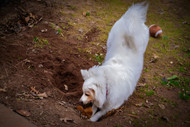
Dog burying behavior-stashing a bully stick in couch cushions, shoving it under a dog bed, tucking it into blankets, pushing it into laundry baskets, or digging a hole in the yard-is one of the most recognizable and ancient canine habits. Before assuming something is wrong, it helps to understand that this behavior is rooted in normal canine psychology, not spite, disobedience, or a desire to frustrate you.
The Instinct to Cache Food and Chews
Food caching is a survival strategy hardwired into the canine family tree. Wolves, foxes, and wild dogs bury surplus meat and bones to protect them from scavengers and environmental spoilage, retrieving them when food becomes scarce. Dogs bury treats due to these same ancient survival instincts-even when they live in climate-controlled homes with meals served on schedule.
The typical sequence looks remarkably similar whether your dog is outdoors or indoors. The dog picks up the bully stick, carries it away from where it was offered, glances around (checking for "competition"), begins to dig or push with his nose, places the chew down, then uses his snout to nudge material over the top-dirt in the yard, a blanket on the couch, or even thin air on a hardwood floor. This ritual behavior has been observed in research studies examining how dogs interact with edible chews: burying attempts often occur within the first minute of receiving a new item, as part of early appetitive engagement before the dog even begins to chew.
Dogs may use non-dirt materials like couch cushions to bury items-a pillow, a pile of laundry, or the corner of a bed serve the same psychological purpose as loose soil. Modern bully sticks, with their strong meaty scent and high protein content, trigger that old wiring powerfully. Burying treats is a form of caching behavior in dogs, and it happens even when the dog is well-fed, comfortable, and living in a single-pet house with no real competition in sight.
Why Bully Sticks Feel Worth Hiding
Bully sticks are single-ingredient chews made from 100% beef muscle (specifically beef pizzle), dehydrated or slow-roasted to remove moisture while retaining fats and proteins. They're high-value, long-lasting chews-a dog can work on one for anywhere from fifteen minutes to several hours depending on the stick's thickness and the dog's chewing style.
What makes bully sticks special compared to regular kibble or a dry biscuit? Three things: a strong natural aroma, a rich, rewarding texture, and an extended chew duration. Bully sticks have a distinct aroma that dogs might try to mask by burying, and the longer a dog holds a chew, the stronger the psychological sense of ownership becomes. Dogs are far more likely to hide treats and chews that feel rare, special, or irreplaceable compared to everyday food. A dog who gulps down a soft treat in two seconds has nothing left to protect; a dog handed a thick bully stick has a treasure worth saving.
This is where the difference between "save it for later" burying and frantic, stressed hiding becomes important. A relaxed dog who tucks a bully stick under a pillow and later returns to chew it is expressing normal caching instinct. A dog who frantically carries the stick from room to room, stiffens when anyone approaches, or refuses to settle is telling you something more is going on.
Individual Personality and Breed Tendencies
Not every dog buries with the same intensity, and breed background plays a measurable role. Research on food motivation shows that breeds like Labradors demonstrate significantly higher persistence in food-maximizing tasks compared to breeds like German Shepherds, suggesting that food drive-and by extension, caching drive-varies substantially by breed.
Terriers are recognized for their excellent hunting skills and natural digging instincts. Dachshunds are known for their strong digging instincts, originally bred to pursue badgers underground. Basset hounds have a history of hunting small animals, and Beagles are natural-born hunters with strong tracking skills-all traits that overlap with a tendency to bury bones and hide things. Miniature schnauzers were bred to catch vermin like rats, giving them a persistent, focused approach to anything that smells like prey or food. Northern breeds like Huskies and Malamutes, bred for endurance in environments where food was scarce, often cache instinctively as well.
Small dogs often bury items inside furniture rather than outdoors-think bully sticks wedged between sofa cushions or hidden in a shoe. Larger dogs with yard access may prefer to dig proper holes. But personality matters as much as breed: cautious, anxious, or highly food-motivated dogs may stash more than their easygoing counterparts, regardless of breed. Even puppies can begin caching behavior within their first few months.
With these foundations in place, let's look at the specific, real-world reasons your own dog might be burying his bully stick rather than chewing it.
Specific Reasons Your Dog Buries His Bully Stick
Instinct provides the foundation, but daily life provides the triggers. Most dogs who bury bully sticks are responding to one or more overlapping motivations-and recognizing which ones apply to your dog makes management much easier.
He's Not Hungry, but the Chew Is Too Good to Waste
A dog might not be in the mood to chew if they bury their treat. This is one of the simplest and most common explanations. If your dog receives a bully stick right after a full meal or on a heavy treat day, his caloric needs are already met. He doesn't feel hungry enough to settle down and chew-but the bully stick smells too good and feels too valuable to ignore entirely. Dogs often bury treats when they are not hungry, choosing to save them for a moment when appetite returns. Hiding a chew can indicate a dog is not hungry at that particular moment.
Burying treats helps dogs manage food resources-it's the canine equivalent of putting leftovers in the fridge. Pay attention to timing: if your dog consistently buries rather than chews, consider whether the stick is being offered too close to a meal or when the dog has already had plenty of other things to eat.
He's Saving It from Real or Imagined Competition
In multi-dog households, the motivation is clear. Dogs may bury treats to keep them safe from competition-a housemate who steals chews. This cat investigates anything that smells interesting, or even a visiting dog who might grab an unattended stick. Dogs may hide high-value chews to protect them from potential competitors, even if the "competitor" is only imagined.
Competition with other dogs can lead to hiding behavior even in single-dog homes if the dog has a history of losing resources-perhaps at a breeder, in a shelter, or during past multi-pet living situations. The instinct to save and protect doesn't require an active threat; the memory or anticipation of one is enough.
He's Overwhelmed, Excited, or Anxious
Holidays, houseguests, loud children, construction noise, a recent move, a new baby-any environmental stressor can make a dog too wound up to settle and chew. Hiding a chew can be a coping mechanism for overwhelmed dogs. Rather than relaxing with the bully stick, the dog stashes it somewhere "safe" and deals with the stimulation first.
Anxiety from past experiences can cause treat hiding as well. Dogs who were previously scolded for chewing, had food taken away unpredictably, or experienced chaotic feeding environments may default to hiding rather than openly enjoying a chew. If you notice burying behavior increases during stressful periods, the environment-not the chew-is likely the issue.
He Loves to Dig and "Work" His Food
For some dogs, the act of hiding is the reward. Bored dogs may invent games like searching for hiding spots, and burying items can provide mental and physical stimulation for dogs who crave activity. Burying, uncovering, relocating, and re-burying the same bully stick can keep a dog entertained for longer than the chew itself would.
Dogs may hide treats as a fun game-especially working and hunting breeds who thrive on mental stimulation. If your dog seems relaxed and playful during the whole thing, wagging his tail as he shoves the stick behind a cushion only to dig it out five minutes later, he's likely enjoying the process rather than expressing distress.
He's Unsure It's Safe to Chew Around You
This is the reason most worth paying attention to. Dogs who have learned-through past punishment, rough handling during chew time, or having chews abruptly taken away-that chewing near humans is risky may hide bully sticks preemptively. Resource guarding and insecurity around high-value items can develop quietly.
Watch the body language: a hard stare, stiff posture, hovering protectively over the hiding spot, freezing when someone enters the room, or side-eye glances when anyone approaches are all early warning signs. The dog isn't being sneaky-he's protecting something he values because experience has taught him it might be taken. This pattern deserves attention and, in many cases, professional support.
Is It a Problem When Dogs Bury Bully Sticks?
Many dogs bury bully sticks without any negative consequences-it's messy, maybe a little annoying, but harmless. However, the habit carries real risks when it becomes intense, frequent, or paired with guarding behavior. Understanding where your dog falls on this spectrum determines whether you need a simple routine adjustment or professional help.
Normal Burying vs. Concerning Behaviors
Normal burying looks like this: the dog occasionally hides a bully stick, has relaxed body language throughout, is easy to redirect, doesn't growl or stiffen when the stash is discovered, and eventually returns to chew or forgets about it. Many dogs do this their entire lives without issue.
Concerning behaviors include intense guarding-growling, snapping, or biting when anyone approaches the hiding spot. Frantic gulping of a dirty, recovered chew is also a red flag, as is obsessive stash-building where the dog hides multiple chews and patrols them anxiously. A sudden onset of burying in an adult dog who never did it before can indicate new stress or even a medical issue. The behavior itself isn't bad, but context and intensity matter.
Health and Hygiene Risks of Hidden Bully Sticks
Bully sticks retain approximately 8–12% residual moisture after processing. This makes them shelf-stable when stored properly, but once a dog has chewed on a stick and introduced saliva and bacteria, spoilage begins quickly, so it’s important to follow best-practice guidance on bully stick selection and use. Research has found that around 4% of bully sticks sampled had contamination with Clostridioides difficile, and instances of MRSA and antibiotic-resistant E. coli have also been documented in dry dog chews.
A partially chewed bully stick buried in damp soil, tucked near a radiator, or hidden in a humid laundry basket can grow bacteria or mold rapidly. Partially chewed sticks left at room temperature can spoil in under 24 hours. Signs that a buried chew should be discarded immediately include a slimy surface, a strong sour odor, visible mold, or discoloration.
Re-chewing dirty, decomposing sticks can cause gastrointestinal upset, and sticks contaminated with grit from soil can damage tooth enamel or irritate gums. Regularly checking common stash spots is essential hygiene practice.
Behavioral Risks: Guarding, Stealing, and Chew Obsession
Resource guarding around hidden bully sticks poses genuine safety risks, especially in homes with children or multiple pets. A 2015 shelter study found that out of approximately 6,600 adult dogs assessed over two years, about 1.5% entered a formal food guarding program-and high-value chews like bully sticks can trigger guarding even in dogs who are relaxed around their regular food bowl.
Repeated treasure hunting-the dog constantly scouting for lost or buried chews-can fuel obsessive patterns. Emotional stress builds if family members regularly remove stashed items during cleaning, as the dog perceives ongoing loss of valued resources. These issues point toward the need for structured chew time and controlled access rather than free-for-all chew availability.
When to Talk to Your Vet or a Trainer
Seek professional help if you notice any of these: sudden behavioral changes around chews, weight loss despite hiding food, vomiting after digging up old bully sticks, snapping or lunging when you approach stashes, or a dog who refuses to eat meals but continues hiding chews.
Start with your veterinarian to rule out medical causes-dental pain, nausea, nutritional deficits, or early cognitive decline in senior dogs can all alter chew behavior. If the issue is behavioral, a qualified behavior professional who uses positive-reinforcement methods can help you address resource guarding or anxiety safely. Never punish a dog for guarding; punishment escalates the problem.
How to Manage a Dog That Buries Bully Sticks
The goal isn't to erase instinct-it's to keep your dog safe, your house clean, and your chews from going to waste. With a few adjustments to routine, environment, and training, most burying behavior becomes manageable.
Set Up a Predictable Chew Routine
Predictability helps dogs settle. When a dog knows that a bully stick appears at a consistent time and in a consistent setting, the urgency to grab, flee, and hide diminishes. Offer bully sticks at specific calm times-evening wind-down after a walk is ideal-rather than during high-energy or chaotic periods.
Limit how long each chew session lasts: remove the stick when your dog loses interest, or the piece becomes small enough to swallow. Avoid reacting strongly when your dog hides treats; calm, neutral redirection teaches the dog that there's no urgency or threat. Limit access to treats after meals to reduce burying-if the dog is already satiated, the impulse to stash rather than chew is stronger.
Create a Designated Chew Spot
Set boundaries around your dog's eating area to manage behavior effectively. Use a dog bed, washable mat, crate, or gated room as the only approved place for bully sticks. A defined spot on a hard floor makes it much harder for dogs to sneak away and hide the chew in sofas or bedrooms.
Create designated hiding spots for treats to manage burying-this might sound counterintuitive, but giving a dog a sanctioned "stash zone" (like a specific blanket in his crate) can satisfy the instinct while keeping the rest of your house clean. Pair the spot with calm cues: soft voice, consistent location, no kids or other pets hovering. Over time, the dog associates that spot with relaxed chewing rather than anxious hiding.
Match Chew Size and Type to Your Dog
Choosing the right thickness and length of bully stick matters. A small dog handed an oversized twelve-inch thick stick may feel overwhelmed by the sheer volume-there's too much to finish, which triggers the impulse to save the rest. A stick sized appropriately for the dog's mouth and chewing style gets finished in one satisfying session, leaving nothing to bury.
For dogs who chronically stash large chews, consider thinner sticks, odor-free varieties, or alternative chews like tendons or gullet strips that are consumed more quickly. Keep your dog entertained with variety rather than volume.
Time It Right and Control Quantity
Offer bully sticks when the dog is mildly hungry but not starving-ideally a couple of hours after a meal rather than immediately after or on an empty stomach. A moderately hungry dog will engage with the chew rather than save it, especially when the natural, meaty flavor and chewy texture are most appealing.
Limit how many long-lasting chews your dog receives per week to prevent surplus. When dogs have more food and chews than they can reasonably consume, stockpiling instincts kick in. A planned ordering schedule helps maintain a consistent but moderate supply, preventing the feast-or-famine pattern that drives caching.
Use Training to Make Chews Safer and Easier to Manage
Key cues to teach: "leave it," "drop it," "trade," and "go to your mat." Practice these with lower-value items first-a regular bone, a toy, a piece of kibble-before introducing them during bully stick sessions. The trade-up method is particularly effective: offer a small, tasty training treat in exchange for the bully stick, teaching the dog that giving up a chew leads to something good rather than loss.
Keep training sessions brief and positive. Never grab a bully stick from your dog's mouth or chase him to retrieve a buried one. That approach teaches exactly the lesson you're trying to undo: that humans take good things away.
Comparison: Different Chew Options for Dogs Who Bury Often
|
Factor |
More Likely to Be Buried |
Less Likely to Be Buried |
|---|---|---|
|
Buried Less |
Extra-thick, long bully sticks |
Shorter, thinner sticks sized to finish in one session |
|
Odor |
Strong-smelling natural chews |
Low-odor or odor-free bully stick varieties |
|
Duration |
Hard, multi-hour chews |
Quicker rewards like bite-sized treats or thin tendons |
|
Quantity |
Multiple chews available at once |
One chew at a time, offered on schedule |
|
Choose based on your dog's specific burying habits and your household setup. A power chewer in a single-dog home may handle a thick stick without hiding it; a nervous dog in a busy house with multiple pets may do better with a shorter, faster chew in a quiet crate. |
Common Challenges and Practical Solutions
These are the specific scenarios dog owners encounter most often. Each one has a straightforward solution.
My Dog Hides Bully Sticks in the Couch and Bed
Restrict bully sticks to hard-floor areas or a crate where hiding is physically difficult. If the designated chew spot is on a soft surface, use a washable cover or blanket that can be checked and cleaned easily. When your dog tries to leave the area with the stick, calmly redirect him back-no yelling, no chasing, just a gentle guide to the approved spot and a quiet "good boy" when he settles.
My Dog Buries Bully Sticks in the Yard
Supervise outdoor chew time or make bully sticks an indoor-only treat. If your dog loves to dig in the backyard, offer a dedicated digging zone or sandbox for play-separate from any edible chews. Do periodic yard sweeps to find and remove decomposing sticks before your dog digs them up and eats something unsafe.
My Dog Growls If I Go Near His Hidden Bully Stick
Never punish growling. A growl is communication-it's the dog's way of saying "I'm uncomfortable" before escalating to a bite. Do not reach for the stash while the dog is watching or guarding. Instead, wait until the dog moves away, then calmly remove the item.
For ongoing management, use trade-up games during calm moments, supervise children around chew areas, and separate dogs in multi-pet homes during chew time. If your dog's guarding includes lunging, snapping, or a consistently hard stare, consult a qualified behavior professional who specializes in resource guarding.
My Dog Forgets Hidden Bully Sticks Until They're Rotten
Limit how many bully sticks are available at once and avoid leaving them out unsupervised. Do weekly checks of common stash spots: under beds, in crates, between couch cushions, behind furniture, and in blankets. Throw away any stick with a strong sour odor, visible mold, discolored surface, or slimy texture. Properly stored partially chewed sticks can last two to three days in the refrigerator, but anything left buried at room temperature should be discarded within a day.
My Dog Would Rather Bury Than Chew
Increase exercise and mental stimulation before chew time so the dog is ready to settle rather than play. Schedule the bully stick when the house is quiet, and the dog is tired-after a long walk or a training session, not at peak energy. Experiment with different chew types: some dogs who bury thick bully sticks will happily settle down with tendons, gullet strips, or braided chews. Offer treats that your dog actually wants to eat in the moment, and save the long-lasting options for when conditions are right.
Conclusion and Next Steps
Burying bully sticks is usually instinctive caching behavior-your dog isn't broken, defiant, or ungrateful. He's responding to ancient programming that says "this is valuable, save it." With routine adjustments, a designated chew spot, appropriately sized chews, and basic training, most burying behavior becomes manageable and harmless.
Understanding the "why" behind the behavior makes it far easier to respond calmly. Instead of frustration, you can observe what your dog is telling you-whether that's "I'm full," "I'm stressed," or "I just enjoy the game"-and adjust accordingly. Protect your dog's health by monitoring hidden chews for spoilage, and protect your household by recognizing early signs of resource guarding before they escalate.
Your next steps:
-
Observe when and where your own dog most often buries bully sticks over the next week-track patterns in timing, location, and mood.
-
Choose a designated chew spot and begin a simple, consistent chew-time routine.
-
Review chew size and frequency; adjust if your dog is receiving more than he can finish in one session.
-
Start teaching a "trade" cue with lower-value treats before practicing with bully sticks.
-
If guarding, aggression, or sudden behavioral changes appear, schedule a visit with your vet and consider consulting a certified positive-reinforcement trainer.
Related topics worth exploring: safe chew supervision practices, the basics of resource guarding prevention, and how to choose the right chew based on your dog's size and chewing strength.
Frequently Asked Questions About Dogs Burying Bully Sticks
Is it normal for my dog to bury his bully stick instead of chewing it? Yes. Burying food and chews is normal dog behavior rooted in ancestral caching instincts. Many dogs do this occasionally, especially with high-value items like bully sticks. It only becomes a concern if paired with aggressive guarding or obsessive hiding, or if hidden chews spoil and are re-consumed.
Should I let my dog dig up and eat a bully stick he buried days ago? No. A bully stick that has been buried in soil or hidden in a warm, humid spot for more than a day is at risk for bacterial contamination and mold growth. Check for slimy surfaces, foul odors, or discoloration-if any are present, discard the stick immediately and offer a fresh one.
How can I stop my dog from hiding bully sticks in my furniture? Create a designated chew spot on a hard floor or in a crate where hiding is difficult. Calmly redirect your dog back to this area whenever he tries to leave with the stick. Consistency matters more than intensity-keep it calm, keep it routine.
Does burying bully sticks mean I'm giving my dog too many treats? It can. Dogs often bury treats when they are not hungry or when they have a surplus. If your dog regularly buries rather than chews, try reducing the frequency of long-lasting chews and offering them only when the dog is mildly hungry and ready to settle.
Are odor-free bully sticks less likely to be buried? Bully sticks have a distinct aroma that can increase excitement and the urge to protect or hide them. Low-odor varieties may reduce the initial frenzy, but instinct still plays a role. An odor-free stick won't eliminate burying entirely, but it can help in combination with routine and environment changes.
Is it safe to give bully sticks in a multi-dog household where dogs compete? Yes, but supervision and separation are essential. Feed each dog in a separate room or crate during chew time. Teach trade-up cues so you can safely manage chews without triggering guarding between housemates. Never let dogs compete over a single bully stick.
Why does my dog bury his bully stick but eat other treats immediately? Bully sticks are long-lasting and high-value-they trigger stronger caching instincts than a soft treat that's consumed in seconds. There's nothing left to bury when a treat is gone in one bite. The duration, aroma, and richness of a bully stick make it feel worth saving.
Can puppies develop a burying habit that continues into adulthood? Yes. Pups who begin stashing chews early may continue the habit throughout life, especially if the behavior is reinforced by the satisfaction of finding hidden items later. Early training and structured chew routines can help shape healthier habits before they become deeply ingrained.
Additional Resources
-
Chew frequency guidelines: Most dogs can safely enjoy bully sticks two to three times per week, but the right frequency depends on your dog's size, calorie needs, and overall diet. Review what bully sticks are made of and how they’re used safely, and consult your veterinarian for personalized recommendations.
-
Sizing guide: Matching bully stick thickness and length to your dog's breed, weight, and chew style prevents oversupply and reduces the impulse to stash oversized chews. Look for guides that categorize by light, moderate, and power chewer.
-
Enrichment for diggers: Dogs who love to dig and bury things benefit from structured enrichment-snuffle mats, puzzle feeders, and designated digging zones can satisfy the instinct without sacrificing your favorite toys, furniture, or premium chews.
-
Veterinary check-ins: If your dog's burying behavior changes suddenly, intensifies, or is accompanied by appetite loss, vomiting, or weight changes, schedule a vet visit. Medical causes like dental pain, GI issues, or cognitive decline in senior dogs can alter chew behavior in ways that look purely behavioral on the surface.
Natural, single-ingredient chews like bully sticks remain one of the best ways to provide safe, satisfying enrichment-when incorporated into a structured routine that respects your dog's instincts while protecting his health and your home.