
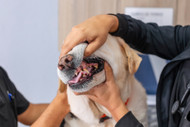
Is It Normal for My Dog's Gums to Bleed After a Bully Stick?
Posted by Greg C. on Oct 28, 2026
Is It Normal for My Dog's Gums to Bleed After a Bully Stick?
Introduction
A tiny streak of blood on your dog's bully stick is usually not an emergency-but it is always worth paying attention to. Light, short-lived gum bleeding can happen the first few times a dog chews a firmer natural treat, during teething, or when mild gingivitis is already present. However, ongoing or heavy bleeding is not normal and signals that something in your dog's mouth needs professional attention.
If you just noticed blood on a bully stick, on a toy, or mixed into your dog's saliva, this article is for you. It covers the common reasons gums bleed during chewing, what counts as safe versus unsafe, when to call a vet, and how to choose and offer bully sticks more safely. Whether you have a teething puppy or an adult dog who has chewed bully sticks for years, the guidance here applies to any pet parent using natural chews as part of their dog's dental care routine.
Quick answers before we go deeper:
-
When a small amount of gum bleeding can be normal: mild irritation from a tougher chew texture than usual, teething puppies losing baby teeth, or a first session with a firm bully stick that lightly abrades soft tissue.
-
When it is not normal: visible bleeding that drips, pools, or continues more than a few minutes after the chew is removed; blood paired with bad breath, swollen gums, or refusal to eat.
-
What to do immediately: remove the bully stick, gently blot the area, check for cuts or foreign objects stuck between teeth, and monitor your dog's behavior.
By the end of this article, you will:
-
Understand exactly why bully sticks can cause bleeding gums-and when that's harmless versus concerning.
-
Recognize red-flag symptoms that call for prompt veterinary care.
-
Know how to modify bully-stick habits so your dog chews safely.
-
See how high-quality, properly sized bully sticks from Bully Sticks Direct fit into a safer chewing routine.
Understanding Bleeding Gums in Dogs
Bleeding gums in dogs fall into two broad categories. Surface capillary bleeding happens when tiny blood vessels in already-inflamed gum tissue are disturbed by chewing, brushing, or even hard food. It shows up as faint pink saliva or light red streaks and stops quickly. Deeper oral trauma-cuts, tooth fractures, or ulcerations-produces heavier blood flow, clots, and often pain. A bully stick doesn't necessarily cause dental disease, but chewing one can unmask gum issues that were already developing beneath the surface.
What "Normal" Gum Bleeding Looks Like
Mild, situational bleeding can be considered normal when it meets all of these criteria:
-
Light pink saliva or a few red streaks on the bully stick-no dripping or pooling.
-
Bleeding stops within a minute or two once the chew is removed.
-
Your dog shows no signs of discomfort, mouth pain, or reluctance to eat afterward.
Common benign scenarios include a dog chewing a tougher texture than usual, which causes minor surface abrasions. Minor bleeding that stops quickly may not require emergency care, but ongoing issues should be monitored. Early gingivitis can also be "unmasked" when plaque is disturbed by mechanical chewing-the gums were already inflamed, and the friction revealed it. Teething puppies may experience bleeding gums and excessive drooling as their puppy's adult teeth push through, and they can occasionally leave small spots of blood on chew toys.
The key distinction: "normal" bleeding should be rare and short-lived, not something you notice every chew session.
When Gum Bleeding Is a Warning Sign
Abnormal bleeding looks very different:
-
Continuous or heavy flow: blood that soaks a towel, keeps reappearing after chewing stops, or drips from the mouth.
-
Dark red pools or clots: these suggest deeper vessel damage, not surface irritation.
-
Blood from under or between teeth: may indicate periodontal pockets, loose teeth, or a broken tooth.
-
Bleeding paired with other symptoms: lethargy, pale or bluish gums, refusal to eat, or facial swelling.
A veterinarian should evaluate heavy bleeding or bleeding that continues after chewing. Periodontal disease is the most common cause of bleeding gums, and over 80% of dogs have dental disease by age 3. Oral tumors can also cause bleeding gums and require immediate veterinary care. A bully stick often exposes pre-existing dental disease rather than causing it alone; understanding both the chew and your dog's dental condition is essential, which the next sections cover.
How Bully Sticks Interact With Your Dog's Mouth
Bully sticks are widely valued for supporting dental health, and many pet parents use them as part of a complete guide to bully sticks for dogs, but they still place mechanical stress on gums and teeth. Knowing how they work-and where that friction becomes a problem-helps pet parents make smarter choices.
What Bully Sticks Are and How They're Chewed
Bully sticks are made from 100% beef pizzle, a natural chew that is air-dried or oven-baked into a single-ingredient, high-protein treat. Bully sticks provide protein and amino acids beneficial for dogs, and a six-inch bully stick contains about 90 calories-something to factor into your dog's diet.
Their texture is firm with some flex, unlike rocks or weight-bearing bones, and natural bully sticks made from high-quality beef pizzle are specifically designed to balance durability with safety. That surface is abrasive enough to scrape plaque off teeth, and chewing helps break down plaque and clean teeth over time. Dogs typically use their back molars for heavy grinding, and during that process, gums can be rubbed where plaque has already softened the tissue. Quality bully sticks-like those from Bully Sticks Direct-are designed to be tough but not rock-hard, offering a more controlled chewing experience, especially when you understand what bully sticks (bull pizzle) are and how they’re made.
Ways Bully Sticks Can Trigger Gum Bleeding
Several specific mechanisms explain how a bully stick can draw blood:
-
Friction against already inflamed gums. Gingivitis is the most common reason for bleeding gums in dogs. If gum disease is present, even moderate chewing pressure can cause bleeding.
-
Over-enthusiastic chewing. Dogs that gnaw aggressively or favor one side concentrate friction on a small area of gum tissue. Gum trauma can occur from vigorous chewing on a firm bully stick.
-
Sharp edges forming as the stick shrinks. As a bully stick gets shorter and drier, its ends can become pointed. Dogs with sharp edges on bully sticks can suffer injuries to their gums while chewing.
-
Fragments wedging between teeth. Small foreign objects can become temporarily lodged between the teeth and cause bleeding, cutting into the gumline.
-
Minor surface abrasions. Minor surface abrasions or cuts can result from mechanical irritation or scratches-especially when gums haven't been exposed to firm chews before.
The same bully stick may be perfectly fine for a healthy adult dog but problematic for a puppy, a senior, or a pup with existing dental issues.
Dogs at Higher Risk of Bleeding From Chews
Certain dogs face elevated risk:
-
Teething puppies (3–7 months) with soft, erupting gums. Puppies may experience minor bleeding during teething, and they should only have bully sticks after 6 months old, ideally using puppy-safe bully sticks that are best for their developing mouths.
-
Senior dogs (7+ years, breed-dependent) with worn enamel, gum recession, or age-related periodontal disease.
-
Dogs with known dental disease or already red gums, swollen tissue, or heavy tartar buildup. Signs of periodontal disease include red, swollen gums and bad breath.
-
Dogs with clotting disorders or on blood-thinning medications. Systemic conditions can make a dog prone to excessive bleeding from minor mouth friction.
-
Very aggressive chewers who attack any chew rather than working it steadily.
Knowing your dog's risk level lets you adjust what you offer and how you offer it-the focus of the next section.
Is It Safe to Keep Giving Bully Sticks If Gums Bleed?
This is the core decision many pet parents face: keep offering bully sticks, modify the routine, or stop entirely. The answer depends on whether the bleeding fits the "normal" or "warning sign" profile outlined above.
Quick Triage: What to Do the Moment You See Blood
If you notice bleeding during or after a chew session, follow these steps:
-
Remove the bully stick immediately and calmly lift your dog's lips to inspect the mouth.
-
Gently blot the gums with clean gauze or a paper towel to see how quickly the bleeding slows. Avoid rubbing, which can worsen irritation.
-
Look for obvious causes: cuts, foreign objects stuck between teeth, a cracked or broken tooth, or swollen areas along the gumline.
-
Note your dog's behavior: Is your pup still bright, alert, and interested in treats? Or is the dog pawing at its mouth, hiding, crying, or refusing to eat?
If bleeding stops within a couple of minutes and your dog behaves normally, you can monitor at home. If bleeding persists, restarts on its own, or your dog shows signs of pain or discomfort, seek veterinary care the same day. Monitoring a dog's behavior after experiencing minor bleeding can indicate the need for veterinary attention.
How to Decide if You Can Try Bully Sticks Again
Use this cautious decision framework:
-
Mild, one-time bleeding that stopped promptly and the dog seems fine? You may retry bully sticks after 24–48 hours, using a shorter session and possibly a softer or thicker size.
-
Bleeding happens every time your dog chews? Stop bully sticks and all firm dog chews until a veterinarian has examined the mouth. Healthy dog gums should be bubblegum-pink and not bleed during chewing; repeated bleeding means something is wrong.
-
Did you notice a broken tooth, loose teeth, or severe redness? Avoid all hard chew toys and firm natural treats until the issue is treated. A broken or fractured tooth can lead to bleeding and sharp pain during chewing, and if left untreated, it can abscess.
For some dogs, bully sticks may need to be permanently replaced with gentler chew options or carefully reintroduced after you’ve focused on selecting the right bully stick for your dog or puppy. That's not a failure-it's smart dental care matched to your individual pet.
Safe Bully-Stick Habits to Reduce Gum Irritation
Practical adjustments make a significant difference:
-
Limit chew sessions to 10–20 minutes instead of giving unlimited access. Remove the bully stick when time is up.
-
Use a bully-stick holder or clamp to prevent your dog from chewing right down to a sharp, small nub.
-
Choose appropriate thickness and length based on your dog's size and bite force. Guidance on choosing the best bully sticks for your dog's size and breed can help here. A bully stick that's too thin for a large dog gets chewed down dangerously fast.
-
Offer bully sticks a few times per week, not daily, for dogs with sensitive mouths.
-
Always supervise. Bully sticks should be supervised to prevent choking hazards-and to catch gum bleeding early.
-
Inspect the stick during and after chewing. If it develops sharp edges or splinters, discard it.
Bully Sticks Direct offers various sizes and styles-including thinner sticks for smaller breeds and braided or spiral options that provide a different chewing feel-so you can match the chew to your dog's needs rather than forcing a one-size-fits-all approach, much like their guide to bully sticks for small dogs, large dogs, and puppies recommends.
Integrating Bully Sticks Into Overall Dental and Health Care
A bully stick is just one component of oral health. Bleeding gums often reflect your dog's broader dental status, not just the chew you picked.
Simple At-Home Mouth Checks Before and After Chewing
Regularly inspecting a dog's mouth can help identify dental health issues early. A brief routine takes under a minute:
Before offering a bully stick, check for:
-
Red gums, swollen tissue, or receding gumlines
-
Heavy brown tartar along the tooth line
-
Broken or very worn teeth
-
Persistent bad breath, which can indicate periodontal disease in dogs
After the chew session, look for:
-
New redness or visible bleeding around specific teeth
-
Abrasions or cuts on the gumline
-
Any piece of chew material lodged between teeth
Gradually train your dog to accept lip lifts and gum inspection by pairing the process with praise and a small treat. Early detection of problems saves your dog pain and saves you expensive emergency visits.
Bully Sticks vs. Other Chew Types for Sensitive Gums
Not all chews carry the same risk. This comparison helps you choose based on your dog's current gum health and chewing style:
|
Chew Type |
Gum Impact |
Dental Benefit |
Risk Level for Bleeding Gums |
|---|---|---|---|
|
Bully stick |
Moderate-firm with some give; can irritate inflamed gums if over-chewed |
Good plaque removal; chewing bully sticks can lower oral bacterial counts in dogs |
Low-to-moderate when properly sized; higher for puppies or dogs with gum disease |
|
Weight-bearing bones/antlers |
High-extremely hard, unyielding surface |
Strong mechanical abrasion but significant risk of tooth fractures and broken teeth |
High; hard chewing can damage teeth and lead to oral injuries in dogs |
|
Nylon / hard plastic bones |
Variable-depends on hardness and edge design |
Minimal nutritional benefit; primarily mechanical cleaning |
Medium-to-high; many veterinarians caution against overly hard things for chewing |
|
Cow ears/tendons |
Fairly gentle; texture varies as chew dries |
Less abrasive, longer chewing time |
Moderate-pieces may get stuck or sharp when dry |
|
Soft dental chews (VOHC-approved) |
Low-gentler on compromised gums |
Good plaque and tartar reduction; tested for safety |
Lower risk; still need monitoring |
|
Bully sticks land in a middle ground: more effective for dental health than many soft treats, yet safer than bones or antlers that regularly cause tooth fractures. As a single-ingredient, preservative-free option, Bully Sticks Direct bully sticks offer a more controlled and consistent chewing experience compared to many synthetic alternatives, especially when you focus on top picks for happy, healthy chewing. |
Working With Your Vet to Make Chews Safer
Regular dental check-ups can prevent serious dental issues in dogs. Routine dental checkups can prevent advanced periodontal disease, and a veterinarian can:
-
Identify periodontal disease that makes any firm chew more likely to draw blood-since many dogs have gum inflammation invisible to the naked eye.
-
Recommend specific chew textures or VOHC-approved dental products suited to your dog's mouth.
-
Advise whether your individual dog should avoid bully sticks temporarily or permanently based on exam findings.
Bring details to the appointment: what size and brand of bully stick you use, how often you offer them, and how long each session lasts. Daily brushing is the gold standard for dog dental care, and your vet can show you how dental chews, brushing, and professional cleanings work together. Regular dental check-ups can catch issues early before they become painful-or expensive.
Common Bully-Stick–Related Problems and How to Handle Them
Blood on a bully stick may be the first issue you notice, but it often comes alongside other chew-related problems. Here is how to handle the most common scenarios.
Problem: Gums Bleed Every Time Your Dog Has a Bully Stick
This is not normal. If you notice bleeding at every session, the cause is almost certainly underlying gum disease, not the chew itself.
-
Stop giving bully sticks and other firm chews immediately.
-
Schedule a dental exam within a few days to check for gingivitis, periodontitis, or oral masses. Over 80% of dogs have dental disease by age 3, so the odds that your dog has an undiagnosed issue are high.
-
Switch to very soft treats or soaked hard food until your vet clears your dog for firmer chews. Several different names are used for Bully sticks, which help reduce plaque and tartar buildup, but that benefit is irrelevant if the chew is causing repeated trauma to diseased tissue.
Problem: Bleeding Plus Bad Breath, Drooling, or Reluctance to Eat
This combination strongly suggests established dental disease or significant mouth pain. Persistent bad breath, excessive drooling, and appetite changes are classic symptoms of periodontitis-the stage where bacteria and infections have damaged deeper structures beyond the gumline.
-
Seek veterinary care promptly, ideally within 24–48 hours. If your dog refuses to eat entirely, go sooner.
-
Do not offer bully sticks or any challenging chew until diagnosis and treatment are complete.
-
Ask your vet whether professional cleaning, extractions, or medication is needed. If left untreated, periodontal disease can lead to bone loss, systemic infections, and chronic pain.
Problem: You See a Cracked or Broken Tooth After Chewing
A cracked or broken tooth is a dental emergency. The fracture exposes sensitive pulp, creates a direct pathway for bacteria, and is extremely painful. Bully sticks can cause dental fractures in dogs, especially if the stick has dried out and hardened or the dog is an aggressive chewer.
-
Remove all chews immediately, including bully sticks, bones, and hard chew toys.
-
Contact a vet or veterinary dentist the same day. Please expect that extraction or root canal treatment may be necessary; do not attempt home fixes.
-
Future chew selection must be more conservative. After a fracture, discuss with your veterinarian which chews-if any-are safe for your dog going forward.
These guidelines help you know when to wait and monitor versus when to call your vet right away.
Conclusion and Next Steps
Occasional, light gum bleeding with a bully stick can happen-especially in teething puppies, first-time chewers, or dogs with mild gingivitis-but recurring or heavy bleeding is not normal and deserves professional attention. More often than not, bleeding reflects underlying gum or tooth issues rather than the bully stick itself. Safe, beneficial chewing depends on choosing the right product, supervising your dog, and working with your veterinarian to keep your pet's mouth healthy.
Your next steps:
-
Do a quick gum check on your dog today. Lift the lips, note gum color, smell, and any swelling or tartar. Healthy gums should be bubblegum-pink and firm.
-
Adjust bully-stick sessions to supervised, time-limited use (10–20 minutes) with the correct size and texture for your dog.
-
Book a dental check if you've seen repeated gum bleeding, bad breath, or any change in how your dog chews or eats.
-
Explore Bully Sticks Direct's range of bully sticks and gentler chews matched to your dog's size and chewing strength-because the right chew makes all the difference.
Related topics worth exploring next: how to choose the right chew hardness for your breed, puppy versus adult chew safety, and managing the calorie impact of natural treats on your dog's diet.
Frequently Asked Questions
Is a small streak of blood on my dog's bully stick dangerous? A faint pink or light red streak that appears once and stops quickly is usually minor-likely from a small gum abrasion or mild gingivitis being disturbed. If the bleeding is heavy, dark, or happens repeatedly, schedule a vet visit.
Can bully sticks cause gum disease? Bully sticks do not cause gum disease. Regular chewing of bully sticks promotes better overall dental health and helps reduce plaque and tartar buildup. However, they can irritate already diseased gums, making pre-existing gingivitis or periodontal disease more obvious.
Should I brush my dog's teeth the same day I see bleeding from a chew? Wait until the gums settle-usually 24–48 hours. Brushing irritated tissue can worsen discomfort. If bleeding recurs at the next chew session, see your vet before resuming either brushing or firm chews.
Are puppies more likely to have bleeding gums from bully sticks? Yes. Teething puppies have soft, erupting gums that bleed more easily. Puppies should only have bully sticks after six months old, when most of their puppy's adult teeth have come in. Use thinner, softer chews and keep sessions short.
How long should my dog chew on a bully stick at one time? Aim for 10–20 minutes per session under supervision. Longer sessions increase the risk of gum irritation, and the stick can dry out and develop sharp edges. Also note that bully sticks can introduce harmful bacteria like Salmonella, so wash your hands after handling and store chews properly.
What bully-stick size is safest for small, medium, and large dogs? Small dogs do best with thinner, shorter sticks. Medium dogs can handle standard-width six-inch sticks. Large breeds need thicker, longer options so the chew doesn't become a dangerously small nub too quickly. Bully Sticks Direct categorizes chews by size and chewing strength to simplify selection.
Are odor-free bully sticks better for sensitive gums? "Odor-free" refers to processing method, not gum impact. What matters more for sensitive gums is consistent texture, appropriate thickness, and quality control-factors that high-quality, single-ingredient bully sticks deliver reliably.
When should I go to an emergency vet for gum bleeding? Go immediately if bleeding won't stop after five minutes, your dog's gums look pale or bluish, there is a large amount of blood, your dog appears weak or lethargic, or your dog has a known clotting disorder. These signs can indicate a serious health emergency beyond a simple chew abrasion.
Additional Resources
-
At-home mouth check checklist: Create a simple card for your fridge listing the key things to inspect before and after chewing-gum color, swelling, tartar, broken teeth, and breath odor. Doing this weekly builds a habit of early detection that can prevent painful and costly dental problems.
-
Chew sizing and hardness guide: Bully Sticks Direct categorizes their chews by dog size and chewing strength, making it easier to find a match that delivers dental benefit without unnecessary risk.
-
VOHC-approved dental products: Ask your veterinary clinic which products carry the Veterinary Oral Health Council seal of acceptance. These complement bully sticks as part of a balanced oral care routine-because no single product is a cure-all for your dog's dental health.