
Why Did My Dog's Bully Stick Change Color? Batch Variation Explained
Posted by Greg C. on Sep 15, 2026
Why Did My Dog's Bully Stick Change Color? Batch Variation Explained
Introduction
Bully stick color changes between batches are completely normal and result from natural variation in cattle source, processing conditions, and drying methods - not from quality defects. If you opened a new bag and noticed your dog chews look noticeably lighter, darker, or more mottled than the last order, you're seeing the inherent variability of a single-ingredient, natural product.
This article covers exactly what causes color differences in bully sticks, how to distinguish harmless natural variation from genuine safety concerns, and what quality controls ensure your dog gets a safe chew regardless of shade. It's written for dog owners who spotted a color shift in their latest order and want to know whether to worry - or hand the stick to their pup. Understanding these differences matters because bully sticks are one of the most popular dog chews on the market, and misreading a normal color change as spoilage (or ignoring a real warning sign) can mean unnecessary waste or, worse, a dog sick from a genuinely compromised product.
The short answer: Bully sticks can range in color from light tan to deep brown or black, and natural batch variation is normal. Color variation is due to a range of factors including animal diet and processing methods. A color shift alone - without changes in smell, texture, or structural integrity - is not a quality problem.
Here's what you'll take away from this article:
-
Why beef pizzle naturally produces different colors from batch to batch
-
How drying temperature, method, and duration change the final shade of a bully stick
-
A step-by-step inspection process to evaluate any batch you receive
-
A clear matrix distinguishing normal color differences from genuine red flags
-
Proper storage and handling practices that preserve quality regardless of color
Understanding Normal Bully Stick Color Characteristics
Bully sticks are made from a single ingredient: beef pizzle - the muscle tissue of the bull or steer. Because high-quality bully sticks lack artificial dyes or bleaching agents, every shade you see comes directly from the raw tissue itself and from the chemical reactions that occur during drying. That means natural variation is baked into the product - literally.
The primary pigment responsible for color in beef muscle is myoglobin. Its chemical state shifts depending on oxygen exposure, animal age, diet, muscle use, and time since slaughter. According to the USDA's meat color guidance, myoglobin concentration increases with animal age, and more heavily exercised muscles tend to be darker. These same principles carry directly into dried beef products like bully sticks.
Natural Color Range in Fresh Bully Sticks
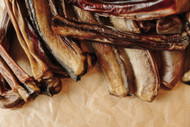
Fresh bully sticks span a typical color spectrum from light tan or straw color through medium golden brown to dark brown and even near-black in heavily roasted batches. This range is entirely normal. Premium exporters explicitly state that natural color may range from light tan through to dark brown, with diameter, shape, and color varying among individual pieces - even within a single shipment.
The connection between cattle source and resulting color is significant. Animal diet affects the tissue density and color of the bully stick. Bully sticks can be sourced from grass-fed, humanely raised cattle, which tend to produce darker, more richly pigmented tissue due to higher myoglobin levels from increased muscle activity. Research on pasture-fed versus grain-fed beef shows that pasture-fed cattle produce meat with higher redness and color intensity than grain-fed animals. Grain-finished cattle generally yield lighter-colored lean tissue and whiter fat, translating to lighter-toned bully sticks. Additionally, pasture-fed cattle accumulate more β-carotene from their diet, which can introduce subtle yellow-gold undertones in tissue fat.
Natural variations in bully sticks can also result from differences in the anatomical cut location. Thicker sections of the pizzle have more tissue mass and may dry differently than thinner portions, producing visible color differences even within a single stick. Bully sticks vary in thickness from 5 to over 12 inches and can be categorized as thin, standard, or extra thick - each with slightly different drying characteristics and resulting shades.
Processing Method Impact on Color
Drying temperature and process influence the final color of bully sticks more than almost any other factor. The three main processing methods - air-drying (dehydration), oven-baking, and smoking - each produce characteristically different color profiles. As detailed in Bully Sticks Direct's comparison of baked vs. dehydrated vs. smoked processing, higher temperatures accelerate Maillard reactions (non-enzymatic browning between sugars and amino acids), darkening the stick. Longer exposure intensifies this effect.
Gentler dehydration at lower temperatures preserves lighter tan and golden hues but requires extended drying time. Smoking adds another layer of darkening from smoke compounds depositing on the surface. Bully sticks can vary in texture based on processing methods as well - a stick dried at high heat may be firmer and more brittle, while a low-temperature dehydrated stick retains slightly more flexibility.
Processing environment also matters. Research on pet-treat drying dynamics shows that strip thickness, airflow efficiency, and cooling procedures all affect final color and uniformity. Thicker or irregularly shaped pieces may appear darker along the edges and lighter inside when airflow is uneven, which is a normal variation rather than a sign of poor processing.
Age, Shelf Life, and Storage Color Changes
Once processed, bully sticks continue to undergo subtle color changes during storage. Exposure to ambient light, humidity, and temperature swings can gradually darken or fade the surface. Unopened bully sticks stored correctly - in a cool, dry place away from direct sunlight - maintain stable color for the duration of their shelf life. How long bully sticks last unopened is usually 1–3 years, with storage and overall condition being the main factors that affect freshness.
A partially chewed bully stick may develop a whitish, chalky film on its surface after chewing. This is typically dried dog saliva or surface moisture that has reabsorbed and re-dried - not visible mold. According to, normal bloom is flat, dry, and smells like beef, while actual mold appears raised, fuzzy, and may show green, blue-grey, or black coloration.
Understanding what normal color variation looks like - and how processing and storage contribute to it - is the foundation for recognizing the rare cases where color does signal a problem.
Batch Variation Factors in Bully Stick Production
Even when a manufacturer maintains rigorous quality controls, two batches produced on different days or from different cattle sources will almost always show visible color differences. This is a feature of working with a natural, single-ingredient product - not a flaw in quality assurance. Batch variation arises from differences in cattle sources and seasonal changes, and understanding the main drivers helps explain why your latest order might look different from the previous one.
Cattle Source Variations
Beef pizzle arrives at processing facilities from different farms, regions, and sometimes different countries. Each source brings its own set of variables: breed, animal age, sex, weight, degree of muscle use, and - most critically - feed. Grass-fed cattle develop more myoglobin per unit of muscle tissue due to higher physical activity, resulting in darker raw material. Grain finishing produces lighter tissue with whiter fat.
Seasonality adds another layer. Grass quality varies throughout the year, affecting the pigment load and carotenoid content of cattle tissue. A batch sourced from cattle that grazed lush spring pasture may carry more β-carotene (contributing to golden-yellow tones) than one from animals finished during winter on hay. Even pre-slaughter factors like handling stress and rest periods can influence muscle pH and pigment state, subtly shifting the color of the raw pizzle before processing ever begins.
Processing Environment Differences
Beyond raw material, the processing environment introduces its own batch-to-batch variability. Humidity, ambient temperature, batch size, and position on drying racks all influence how evenly and quickly moisture leaves the stick - and therefore how much Maillard browning occurs.
A batch processed during a humid summer may require longer or hotter oven runs to reach target moisture levels, producing darker surfaces. A winter batch in a drier climate may achieve the same moisture content faster at lower temperatures, yielding lighter tones. Imperfect airflow within drying chambers can trap moisture in certain sections, creating lighter, under-finished areas on some sticks while edges darken. These variations are inherent in processing methods that avoid artificial standardization, such as bleaching or dyeing.
Quality Control vs. Natural Variation
Reputable manufacturers focus quality control on the metrics that actually determine safety and chew quality - not cosmetic uniformity. Quality bully sticks have 8–10% moisture content for stability, which is the primary target during processing. Beyond moisture, QC testing covers pathogen screening, structural integrity, odor, and texture.
As outlined in Bully Sticks Direct's 60-second inspection guide, a quality inspection examines color uniformity within a single stick (not across batches), firmness, smell, and surface condition. Sticks with unusual discoloration, a slimy texture, or structural defects are flagged for discard. But a batch that runs darker or lighter than a previous production run, while passing all other quality checks, ships without issue - because color within the natural range is not a defect.
The key takeaway: batch color differences don't indicate quality problems when smell, texture, moisture content, and structural integrity all meet specification. The next section gives you a practical framework for confirming this yourself.
Detailed Analysis of Bully Stick Color Changes
With the science and manufacturing context established, here's how to practically evaluate any batch of bully sticks you receive - regardless of what color they happen to be.
Normal Color Variation Identification
Color differences are expected and safe when the stick passes a simple four-step inspection, but safe use of bully sticks also depends on choosing the right size for your dog's breed, age, and chewing style and supervising each session. Bully sticks should be firm and dry when fresh, and this holds whether the stick is straw-colored or deep mahogany. Use this process during normal chewing sessions or when opening a new order:
-
Visual inspection: Examine the stick for uniform texture across its surface. Even coloring across every single stick is ideal, but slight gradients (darker edges, lighter center) reflect normal drying patterns. Look for consistent protein structure - the fibrous grain should be intact, not crumbly or collapsed.
-
Smell test: A healthy bully stick has a meaty, slightly roasted aroma. The intensity may vary - some processing methods produce nearly odor-free results while others carry a stronger beefy scent. What you're screening for is any unusual odor: a sour, ammonia-like, rancid, or foul odor that deviates sharply from the normal beef aroma. If the smell is off, discard the stick regardless of color.
-
Touch test: Press the stick firmly. It should feel hard and dry, with slight give under strong pressure but no squishiness. A mushy texture, slimy surface, or sticky feel indicates moisture problems. A chewed bully stick that has been exposed to dog saliva will feel softer at the chewed end - that's normal - but the unexposed portion should remain firm.
-
Batch comparison: Compare the new order against your memory or photos of previous batches. If the only difference is shade - and smell, texture, and firmness all check out - you're looking at normal batch variation, not a quality issue.
Color vs. Quality Assessment Matrix
Use this table to interpret specific color characteristics in your bully sticks:
|
Color Characteristic |
Normal Variation |
Quality Concern |
|---|---|---|
|
Light tan/straw |
Lighter cattle pigmentation; younger animals; grain finishing; gentler drying temperature; shorter roast time |
Very pale combined with soggy or spongy texture; sticky surface; unusual odor - may indicate under-drying or spoilage risk |
|
Medium brown/golden brown |
Typical well-processed sticks; balanced Maillard browning; moderate drying time; standard pasture or grain finish |
Uneven dark patches with cracks; overly brittle sections suggesting excessive heat exposure |
|
Dark brown/rich mahogany |
Longer roasting; cattle source with higher myoglobin; greater caramelization; pasture-fed or older animal tissue. |
Burnt or charcoal scent; extreme brittleness producing sharp shards; risk of broken teeth or choking hazard if fragments splinter |
|
Mottled/splotchy |
Internal pigment variation; fat pockets drying at different rates; minor storage fading; natural protein structure differences |
Raised fuzzy spots (visible mold); green or grey patches; soft, wet zones with slimy texture - discard immediately. |
This matrix should help most dog owners quickly categorize what they're seeing. If your stick falls into the "Normal Variation" column and passes the four-step inspection above, it's safe to hand over for chew time. If any characteristic falls into the "Quality Concern" column, err on the side of caution and discard the remaining piece.
Common Color Concerns, Spoiled Bully Stick Signs, and Solutions
Here are the three most frequent color-related questions dog owners raise - and how to resolve each one confidently.
Much Lighter Than Previous Order
A batch of fresh bully sticks arriving noticeably lighter than your last order is almost always the result of lighter animal pigmentation (younger cattle, grain finishing) combined with gentler drying conditions or shorter processing time. This doesn't mean the manufacturer decided to cut corners on processing.
What to do: Inspect for proper moisture content - the stick should feel hard and dry, not rubbery or soft. Quality bully sticks maintain 8–10% moisture regardless of color. Check that the packaging wasn't exposed to direct sunlight during shipping, which can fade surface color. If firmness, smell, and structural integrity all pass, the lighter color is cosmetic. If you detect a mushy texture or the stick feels spongy when compressed, it may have been under-dried; contact the retailer. Bully sticks should be discarded if slimy or sticky before chewing, regardless of shade. For guidance on evaluating your sticks, see how to tell a good bully stick from a bad one.
Significantly Darker Than Expected
Darker bully sticks typically result from longer roasting times, higher processing temperatures, or cattle with naturally higher myoglobin content. Many power chewers and aggressive chewers actually prefer darker, harder sticks because the extended processing creates a denser chew that provides longer mental stimulation; how long bully sticks last also depends on thickness, density, and your dog's chewing behavior.
What to do: Check for a burnt or scorched scent - this is different from a strong beefy aroma, which is fine. Test flexibility by gently bending the stick; if it snaps sharply into shards rather than flexing slightly, it may be over-dried and could pose a choking hazard or risk of broken teeth. Over-dried, extremely brittle sticks should be avoided, especially for small dogs and older dogs with sensitive adult teeth. If the stick is dark but still shows appropriate firmness without shattering, it's safe for your dog's mouth.
Uneven or Mottled Coloring
Mottled patterns - lighter and darker zones across a single stick - usually result from uneven drying. Thicker portions or areas with more connective tissue or fat pockets dry at different rates, producing color contrast. Natural pigment variation within the beef pizzle tissue also contributes, since variations in bully sticks can result from differences in anatomical cut location.
When it's normal: The surface feels uniformly dry, the smell is consistently meaty, and there are no soft or wet patches. When it's concerning: If darker patches feel moist or sticky, or if you see raised, fuzzy growth (visible mold), those zones may harbor bacteria and the stick should be discarded. Bully sticks can harbor harmful bacteria like E. coli and Salmonella. In fact, 27% of tested bully sticks were contaminated with E. coli in one study, and bully sticks can also harbor Salmonella and Listeria bacteria. A spoiled bully stick shows signs such as fuzzy patches, unusual odor, or slimy texture. A slimy bully stick indicates spoilage or bacterial growth, turning the moist area into a breeding ground for pathogens.
Moisture from saliva can change the color of a bully stick during chewing, so partially chewed sticks will naturally look different from unused sticks. This is expected - but partially chewed bully sticks should be refrigerated within 10–15 minutes of the end of a chewing session to prevent bacterial growth. For more on when to throw away a bully stick, review the key signs every owner should know.
Building confidence in evaluating natural product variations comes down to trusting your senses - and knowing which signals actually matter.
Conclusion and Next Steps
Color variation between batches of quality bully sticks is a natural, expected outcome of working with a single-ingredient beef product. Different cattle sources, seasonal feed changes, processing temperature differences, and drying method variations all produce visible color shifts that have no bearing on safety or nutritional value. What does matter is texture, smell, moisture content, and structural integrity - and those are the metrics worth your attention.
Here's your immediate action plan when evaluating any new batch:
-
Run the four-step inspection - visual, smell, touch, and batch comparison - on a representative stick before offering it to your dog.
-
Refer to the color assessment matrix to confirm that your stick's shade falls within the normal variation column.
-
Store bully sticks properly in an airtight container in a cool, dry location away from direct sunlight and humidity to maintain consistent quality - and use older sticks first to rotate stock effectively.
-
Refrigerate partially chewed sticks within 10–15 minutes, and offer a fresh one at the next chewing session rather than leaving a chewed bully stick out where moisture exposure can introduce moisture and foster bacterial growth
-
Contact the retailer if you detect a foul odor, slimy surface, visible mold, or extreme brittleness - these are genuine quality flags that warrant attention.
Bully sticks can cause diarrhea in sensitive dogs and vomiting in some dogs, even with perfectly safe products, so always provide fresh water during and after chew time, supervise chewing sessions, and match your dog's size and chewing style to the appropriate stick thickness. Remove sticks when they are small enough that a dog could swallow the remaining piece, especially for large, aggressive chewers.
Bully sticks should be discarded if they develop mold or unusual odors - when stored improperly or exposed to moisture, even premium products can spoil. Bully sticks can spoil from moisture exposure, and they spoil faster in warm or humid conditions. But when stored correctly, bully sticks are safe, long-lasting chews that most dogs love - and a slight color difference from one bag to the next is simply the mark of a natural product.
Additional Resources
-
Storage best practices: Learn how to store bully sticks for maximum shelf life, including tips on frozen bully sticks for extending freshness
-
Spoilage identification: Detailed guidance on recognizing when to discard a bully stick beyond color alone, covering odor, texture, and structural red flags
-
Sourcing transparency: Understand what bully sticks are made of and how sourcing practices affect the product you receive
-
Size matching: Use the bully stick size guide to match long bully sticks or extra thick options to your dog's size, whether you have small dogs or big dogs
-
Alternative chews: If you're exploring options beyond bully sticks, compare collagen sticks, yak chews, and other safe alternatives for variety and as a special treat during chewing sessions
-
Digestive concerns: If your dog experiences an upset stomach after chewing, review the causes and solutions for vomiting after bully sticks