

Description
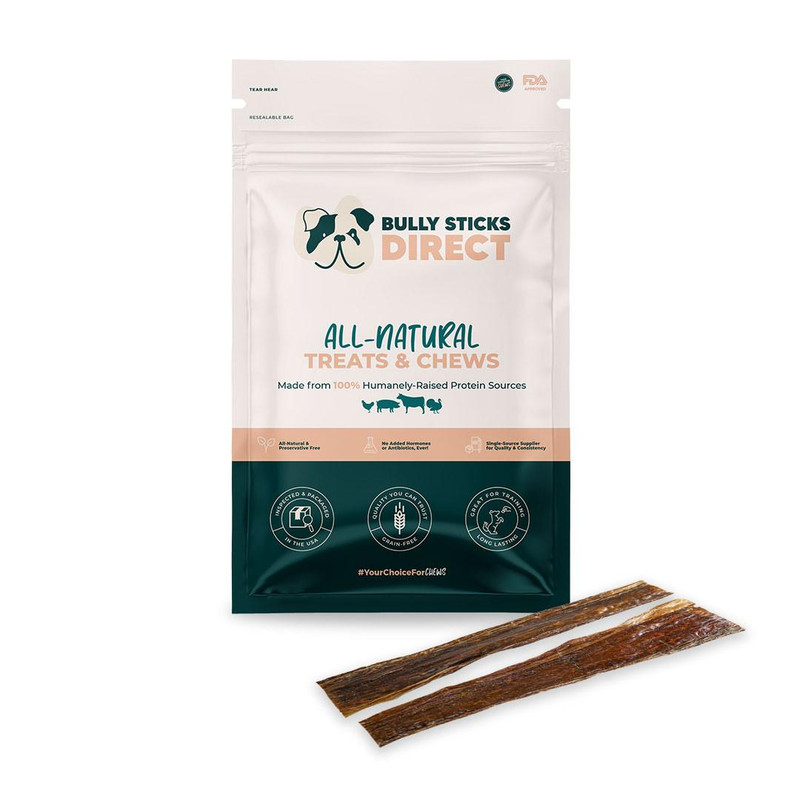
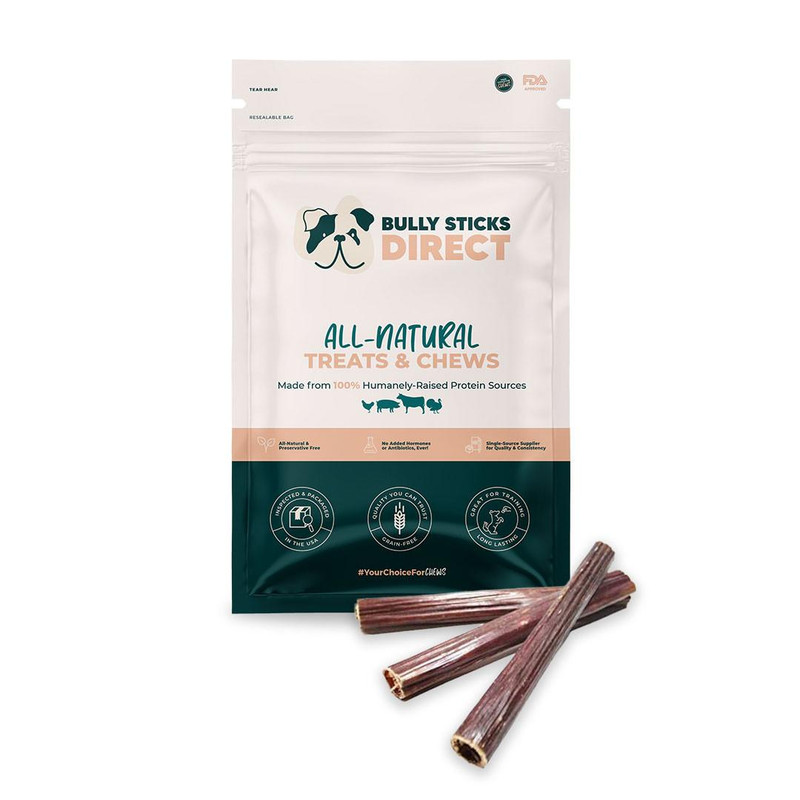
BSD's 6" Moo Taffy Strips are 100% beef esophagus cut flat from the esophageal wall into a ribbon form — the small-to-medium dog format of the flat gullet strip lineup. The ingredient, nutritional profile, and chondroitin content are identical to the 6" Moo Taffy Sticks; only the physical geometry differs. The flat ribbon form lies horizontally rather than presenting as a round tube — wider, thinner, and accessible to a different set of grip mechanics than the round stick requires. For small dogs that have been primarily exposed to flat treats (flat jerky, flat training rewards, flat-format natural chews) and approach round stick formats with hesitation, the 6" Moo Taffy Strip is the entry point that produces confident first-session engagement and consistent session completion from the first use.
The joint health argument is identical in the strip format. Small breeds — Dachshunds, French Bulldogs, Cavalier King Charles Spaniels, Pugs, Boston Terriers, Shih Tzus — carry elevated rates of joint and connective tissue disease, making chondroitin delivery specifically relevant from middle age onward. The 6" Moo Taffy Strip delivers naturally occurring chondroitin sulfate from beef esophagus in sessions of 16–35 minutes for dogs under 45 lbs — the same chondroitin sulfate content per gram as the round stick, delivered through whichever format produces the more consistent session completion for that individual dog.
For small dogs managing both soft-texture requirements and flat-format preferences simultaneously — such as senior Dachshunds with dental aging who have always been flat-treat chewers — the 6" Moo Taffy Strip is the specific format that addresses all three constraints (small dog size, soft texture, flat format) in a single product. The choice between 6" strip and 6" stick for small dogs is entirely preference-based once you know your dog's format affinity; neither is nutritionally superior to the other.
6" Strip vs. 6" Stick — The Format Decision for Small Dogs
Both are 100% beef esophagi from the same source with identical chondroitin content. The format decision is about which produces better engagement for your specific dog. Use this framework:
| If your dog... | Start with... | Why |
|---|---|---|
| Has been on bully sticks for years | 6" Moo Taffy Stick (round) | Familiar stick format in soft material |
| Primarily gets flat jerky or flat treats | 6" Moo Taffy Strip (flat) | Familiar flat format with a new ingredient |
| Abandons the round sticks midway | 6" Moo Taffy Strip (flat) | Format change often restores completion |
| It's new to the gullet entirely | Either — try stick first | A round stick is more familiar to most dogs |
| It is a senior dog with reduced jaw strength | 6" Moo Taffy Strip (flat) | Horizontal format is easier to maintain grip |
Session Duration by Dog Size
| Dog Weight | Chewer Type | Est. Session | Notes |
|---|---|---|---|
| Under 10 lbs | Light–Moderate | 25–35 min | Good flat-format session for tiny breeds |
| 10–20 lbs | Moderate | 20–30 min | Primary small dog flat soft chew |
| 20–35 lbs | Moderate | 16–24 min | Good rotation; 12" strip for more duration |
Frequently Asked Questions
Yes — completely identical. The chondroitin sulfate in beef esophagus is distributed throughout the glycosaminoglycan-rich submucosal connective tissue of the esophageal wall. This connective tissue layer is present in the natural round tubular form and in the flat strip form because both come from the same tissue — the strip is simply the esophagus wall cut flat rather than retained in its natural round shape. Changing the physical geometry does not separate, remove, or concentrate the chondroitin content. A gram of 6" Moo Taffy Strip contains the same chondroitin sulfate per gram as a gram of 6" Moo Taffy Stick. The nutritional contribution of each format to your dog's joint health protocol is identical per gram consumed — the only variable that matters between the two is which format your dog will consistently consume more of through session completion.
Very likely yes — and the flat strip format is specifically the right choice for a flat-treat-preferring Dachshund. Dachshunds have a chewing style that often involves pressing treats against a hard surface and working across them, which is the natural interaction pattern for flat formats. A senior Dachshund that has been successfully receiving flat jerky, flat training treats, or flat-format chews throughout her life will approach the 6" Moo Taffy Strip with the same confidence because the geometry matches her established chewing behavior. The beef esophagus ingredient will be new, but the format is familiar. Introduce in a supervised first session: the strong, natural beefy scent of the dried esophagus typically elicits immediate interest. Most Dachshunds accept the strip confidently in the first session. The chondroitin from the esophageal tissue is also directly relevant for your Dachshund's IVDD risk — the food-source chondroitin supports the connective tissue of spinal discs and articular cartilage that is most at risk in the breed.
From 4–5 months with adult teeth beginning to establish, yes — with complete supervision throughout every session. French Bulldog puppies need soft-chew formats that accommodate their developing brachycephalic jaw geometry, and the flat strip is particularly appropriate because it can be worked flat against a surface without the vertical gripping effort that round sticks require from a puppy's developing jaw. Give in supervised sessions of 15 minutes maximum at this age. Remove when the remaining strip is approximately 2" — Frenchie puppies should never be left with a piece small enough to attempt swallowing. For very young Frenchie puppies under 4 months, the Moo Taffy Chips in small pieces are more appropriate than the full 6" strip. Once established as a consistent and safe chewer through multiple supervised sessions, the 6" Moo Taffy Strip can become a regular component of the Frenchie puppy's enrichment rotation. Always supervise French Bulldog chewing sessions completely at any age.
The 6" Moo Taffy Strip occupies the chondroitin delivery slot in the weekly rotation — the days when the goal is food-source chondroitin sulfate for cartilage protection and joint health. For a small dog with joint concerns, a practical rotation: bully sticks or other primary enrichment chews on most days; 6" Moo Taffy Strip 2–3 days per week for chondroitin delivery; 6" collagen stick 1–2 days per week for type I collagen delivery. This provides daily long-session enrichment with targeted joint nutritional support, three to four days per week, through two different mechanisms (chondroitin protection + collagen synthesis). Adjust the exact days and frequency based on your dog's specific joint health status and veterinary guidance. For small senior dogs, whose gullet has replaced harder formats as the primary daily chew, daily use of the strip or stick is appropriate, with the same caloric management practices that apply to any daily treat.
No — beef esophagus is a beef product. The 6" Moo Taffy Strip contains 100% beef esophagus, and dogs with confirmed beef allergy cannot receive it. Beef esophagus contains bovine proteins that share allergen characteristics with other beef-derived products — a dog with beef allergy will react to esophagus from the same animal. For small dogs that need a soft-format long-session chew appropriate for beef allergy protocols, BSD's goat skin and camel skin are the non-beef alternatives in hide-and-skin format. These are firmer than gullet sticks — appropriate for dogs whose dental health allows for harder formats — but if a soft-format beef-free option is needed, confirm with your veterinarian which single-ingredient proteins are on the approved list for your dog's specific allergy protocol and explore whether any BSD products fit that list.
Seal the bag immediately after every use — the most important storage practice for naturally dried products without chemical preservatives. Moisture is the primary spoilage risk: beef esophagus in a humid environment will develop surface mold within days if left unsealed. Store in a cool, dry location, away from direct sunlight and high-humidity areas like kitchens and bathrooms. For homes in particularly humid climates, a sealed container or zip-lock storage bag inside the original packaging adds an extra moisture barrier. Opened bags: consume within 3–4 months for optimal freshness and safety. If you purchase in bulk, keep one bag in active use and store the rest sealed until needed. Do not refrigerate — the temperature differential when removing from the refrigerator creates condensation that introduces the moisture the product needs to stay away from.
Instructions
Feeding Instructions :
Please monitor your dog while feeding these gourmet natural treats, they are fully digestible however, please always provide a fresh supply of drinking water for your pup.
Recommendations:
Store your bully sticks in the original zip lock bag under cool conditions