
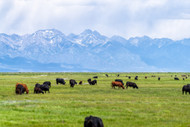
Grass Fed Bully Sticks Sourcing Deep Dive: Quality and Safety Insights
Posted by Greg C. on Mar 14, 2026
Grass Fed Bully Sticks Sourcing Deep Dive: Complete Guide to Premium Quality Standards
Introduction
Bully stick sourcing determines everything about final product quality—from chew duration and texture to nutritional density and safety. This comprehensive guide addresses the critical distinction between grass-fed beef pizzle and conventional alternatives, providing actionable verification methods for identifying high-quality bully sticks from reputable suppliers.
This guide covers grass-fed cattle sourcing verification, regional standards comparison across North America, South America, Australia, and New Zealand, and systematic supplier evaluation processes. General methods of bully stick manufacturing and processing fall outside this scope. The content serves pet owners prioritizing natural chews, dog owners seeking transparency in premium treat sourcing, and retail buyers evaluating quality standards for their inventory.
Grass-fed sourcing delivers superior bully sticks because cattle raised exclusively on pasture produce beef pizzle with significantly better omega-3 to omega-6 fatty acid ratios (approximately 2:1 versus 8:1 in grain-fed cattle), higher vitamin E content, and minimal chemical residues—resulting in firmer chew texture, reduced odor, and better digestibility for most dogs.
By completing this guide, you will gain:
-
Understanding of regional grass-fed certification standards and their reliability
-
Systematic verification methods for validating supplier claims
-
Quality indicators distinguishing premium from mass market alternatives
-
Supplier evaluation criteria for consistent sourcing decisions
-
Cost-benefit analysis justifying premium grass-fed bully stick pricing
Introduction to Bully Sticks
Bully sticks have become a staple in the world of natural dog chews, earning the trust of dog owners who prioritize both safety and satisfaction for their pets. Crafted from high-quality beef pizzle, bully sticks are a single-ingredient treat that stands out for its digestibility and nutritional value. Understanding what bully sticks (bull pizzle) are and how they work helps owners use them appropriately. Unlike rawhide, which can pose a choking hazard and is often difficult for dogs to break down, bully sticks are fully digestible and break apart safely in a dog’s stomach, making them a preferred choice for conscientious pet owners.
These natural chews offer more than just a tasty snack—they provide essential mental stimulation, helping keep dogs engaged and content during chewing sessions. Owners who recognize the benefits of bully sticks as natural, nutritious chews can better incorporate them into regular routines. The act of chewing not only satisfies a dog’s instinctual need to gnaw but also supports dental health by naturally scraping away plaque and tartar. Available in a variety of sizes and shapes, bully sticks cater to different breeds, ages, and chewing styles, ensuring there’s a perfect option for every dog’s mouth and chewing habits. Whether you have a small breed or a large, power chewer, bully sticks deliver a safe, enjoyable, and beneficial chewing experience.
Benefits of Bully Sticks
The advantages of choosing bully sticks for your dog go far beyond simple enjoyment. These chews are renowned for providing sustained mental stimulation, which is crucial for dogs that spend time alone or are prone to boredom and anxiety. By keeping dogs occupied, bully sticks help reduce unwanted behaviors and offer a healthy outlet for natural chewing instincts.
Dental health is another significant benefit—regular chewing on bully sticks helps minimize tartar buildup and supports gum health, contributing to fresher breath and healthier adult teeth, especially when you focus on selecting the best bully sticks for safe, healthy chewing. For pet owners concerned about nutrition, bully sticks are a smart choice: they are high in protein and low in fat, making them a wholesome snack that fits into most dogs’ diets without contributing to excess weight, especially when you understand the health benefits of all-natural bully sticks.
Bully sticks come in a range of sizes and thicknesses, from standard and thin options ideal for small breeds and moderate chewers, to thick bully sticks designed for large breeds and aggressive chewers. This variety ensures that every dog, regardless of size or chewing style, can enjoy a long-lasting chew tailored to their needs. Understanding how to choose the best bully sticks for your dog’s size and breed helps match chew dimensions to your individual dog. For pet owners seeking a natural, protein-rich treat that supports both physical and mental well-being, bully sticks remain an unbeatable option among dog chews.
Understanding Grass-Fed Cattle Sourcing Standards
Grass-fed cattle raising requires animals to consume only forage—pasture grasses, legumes, and browse—from birth through harvest, with no grain or grain by-products in their diet. These cattle are often raised in free-range environments, which further enhances the quality and ethical standards of the beef used for bully sticks. This feeding standard directly impacts the raw materials used to produce quality bully sticks, resulting in beef pizzle with distinct nutritional and structural characteristics that enhance the final product.
Grass-fed beef pizzle can contribute to a firmer, sometimes crunchy texture that many dogs find appealing, in addition to supporting digestibility and nutritional value.
Grass-Fed vs. Grain-Fed Cattle Impact
The nutritional differences between grass-fed beef and grain-fed cattle appear dramatically in fatty acid profiles. Research from the Beef Nutrient Density Project analyzing over 300 beef samples found grass-finished beef maintains omega-6 to omega-3 ratios of approximately 2.14:1, while grain-finished beef showed ratios of 8.28:1. Grass-fed beef also contains 2-3 times higher vitamin E (alpha-tocopherol) and beta-carotene levels compared to conventional alternatives.
Texture and digestibility advantages emerge from the leaner, more developed muscle tissue in pasture-raised cattle. Grass-fed animals develop firmer musculature with less fat marbling, producing bully sticks with consistent chew resistance ideal for various chewing styles—from moderate chewers to power chewers. Unlike rawhide, which can cause intestinal blockages, properly sourced beef pizzle from grass-fed cattle breaks down more predictably during chewing sessions.
The explicit connection to bully stick quality appears in three critical areas: firmer chew, longer chew duration, which extends mental stimulation; cleaner processing with reduced excess fat and grease; and minimal exposure to antibiotics, hormones, and chemical residues that could cause digestive upset in dogs with sensitive stomachs, all of which align with what is in a bully stick and how quality is assessed.
Pasture Management and Seasonal Sourcing
Seasonal variations significantly affect the quality of grass-fed cattle and the consistency of bully sticks. During peak growing seasons, pasture grasses provide maximum nutritional density, producing beef pizzle with optimal fatty acid profiles and vitamin content. Winter or dry seasons may require supplemental hay or silage—acceptable under strict grass-fed standards—but can slightly alter the muscle tissue characteristics affecting chew texture.
Pasture rotation practices influence beef quality by maintaining soil health and promoting the availability of diverse forage species. Well-managed rotational grazing systems produce cattle with more consistent nutritional profiles compared to continuous grazing operations. This management quality ultimately affects whether the resulting bully sticks deliver the long-lasting chew and sustained mental stimulation pet owners expect, making it important to understand what bully sticks are made from and how they’re produced.
These pasture standards vary significantly across global sourcing regions, creating measurable quality differences that buyers must understand when selecting suppliers.
Regional Grass-Fed Sourcing Standards and Certifications
Building on fundamental grass-fed standards, geographic sourcing regions present distinct advantages, certification requirements, and verification challenges. Understanding these regional variations enables informed supplier selection for consistent quality bully sticks.
North American Grass-Fed Standards
The American Grassfed Association (AGA) maintains the most rigorous U.S. certification standards, requiring 100% forage diet from birth to harvest, no confinement feeding, no antibiotics, and no added hormones. AGA certification involves on-farm inspections every 12-15 months, lifetime traceability documentation, and immediate removal of any animal receiving prohibited substances from the certified program.
USDA Organic Grass-Fed certification adds organic forage production requirements—no synthetic fertilizers or pesticides—but consumers should note that “organic” alone doesn’t guarantee grass-finished status. Processing facilities handling beef pizzle for dog chews must comply with FDA registration requirements and may require USDA/FSIS inspection to ensure sanitary compliance, residue control, and food safety protocols.
Quality control measures in North American operations typically include documented feed records, third-party testing for harmful bacteria and chemical residues, and traceability systems connecting individual animals to specific production lots.
South American Grass-Fed Operations
South American bully sticks, particularly from Argentina and Uruguay, originate from regions with extensive pasture-based cattle raising traditions. Uruguay maintains mandatory individual animal traceability systems and prohibits growth promotants in many export markets, providing a strong foundation for verifying the sourcing of bully sticks.
Argentina’s grass-fed operations vary more significantly, with some cattle receiving grain finishing despite pasture raising—creating verification challenges for buyers seeking strictly grass-finished product quality. Brazilian grass-fed certification programs face additional scrutiny regarding compliance with deforestation standards and consistency in the use of hormones and antibiotics.
Quality consistency challenges in South America include verifying actual grass-finished status (as opposed to grain-finished after pasture-raising), ensuring compliance with destination-country residue standards, and maintaining traceability documentation throughout the export process. Premium supplier identification requires direct verification of certification documents, export permits, and veterinary inspection certificates.
Australian and New Zealand Grass-Fed Protocols
Australian standards, as defined by the AUS-MEAT Animal Raising Claims Framework, define grass-fed cattle as those that are continuously pasture-fed without feedlot grain finishing. Acceptable feed includes grass, legumes, brassica, crop residue (without grain), hay, and silage—any grain feeding disqualifies the grass-fed claim entirely.
Programs like Greenham Australia’s “Never Ever Beef” require lifetime traceability, no antibiotics or hormone growth promotants (HGPs), and independent audits meeting export standards for multiple international markets. New Zealand exporters operate under Risk Management Programmes (RMPs) with official export certificates issued through electronic verification systems, ensuring traceability from birth through slaughter.
|
Region |
Certification Rigor |
Year-Round Pasture |
Traceability |
Cost Position |
|---|---|---|---|---|
|
Australia/NZ |
Highest |
Yes |
Excellent |
Premium |
|
Uruguay |
High |
Mostly |
Excellent |
Moderate |
|
Argentina |
Variable |
Mostly |
Good |
Moderate |
|
USA (AGA) |
Highest |
Seasonal |
Excellent |
Premium |
|
Brazil |
Variable |
Variable |
Improving |
Lower |
|
Australia and New Zealand offer consistent grass feeding due to a favorable climate, strong regulatory oversight, and biosecurity systems aligning with importer expectations—making them preferred sources for high-quality bully sticks despite premium pricing. |
Comprehensive Supplier Verification and Quality Assessment
Translating regional standards into practical purchasing decisions requires systematic verification processes. These methods apply whether evaluating suppliers for retail inventory or confirming claims for individual product selections.
When choosing bully sticks, it’s essential to select the right bully stick size based on your dog’s weight, breed, and chewing style. Understanding your dog’s chewing habits and chewing style helps ensure safe chewing and maximizes the benefits for your dog’s health and well-being. Standard bully sticks are a great baseline option for most dogs, while thicker sticks are ideal for power chewers who need extra durability. Thinner sticks are best suited for small breeds or gentle chewers. Medium dogs may require a balance between thickness and length to match their chewing needs and prevent overconsumption or rapid wear, and a solid grasp of how to choose and use dog chew bully sticks safely further supports responsible treat selection.
For safety and quality, always ensure the bully stick does not fit entirely in your dog’s mouth to prevent choking hazards. This attention to sizing and safety supports your dog’s health and promotes their overall well-being.
Documentation Verification Process
Request verification documentation when evaluating any supplier claiming grass-fed status for their bully sticks. Thorough documentation review prevents purchasing standard sticks marketed as premium products.
-
Request grass-fed certification documents: Obtain AGA certification, AUS-MEAT grass-fed claims documentation, or equivalent regional certifications explicitly stating “100% grass-fed” or “grass-finished” status with no grain by-products
-
Verify pasture access and feeding records: Review farm documentation showing grazing schedules, rotation plans, forage species, and any supplemental feed provided during seasonal gaps—hay and silage are acceptable while grain disqualifies claims
-
Confirm processing facility registration: Request FDA registration numbers and recent USDA/FSIS inspection reports covering sanitation audits, temperature controls, pest management, and pathogen testing for harmful bacteria
-
Review third-party quality testing: Examine laboratory results from the past 12 months covering chemical residues (hormones, antibiotics), heavy metals, microbial pathogens (particularly Salmonella), and nutritional profiles including fatty acid ratios
For imported products, verify Foreign Supplier Verification Program (FSVP) compliance documentation confirming foreign suppliers meet U.S. food safety standards.
Quality Comparison Matrix
Understanding quality indicators across sourcing categories enables appropriate product selection for different market positions and customer expectations. Mental stimulation bully sticks are particularly valued for their ability to engage dogs, reduce boredom, and promote emotional well-being by providing a mentally engaging activity.
|
Quality Factor |
Grass-Fed Premium |
Conventional/Hybrid |
Grain-Fed/Feedlot |
|---|---|---|---|
|
Omega-3 Content |
High (favorable 2:1 ratio) |
Moderate (variable) |
Low (often 7:1+ ratio) |
|
Vitamin E/Beta-carotene |
Elevated (pasture-derived) |
Intermediate |
Low |
|
Residue Risk (antibiotics/hormones) |
Minimal with certification |
Some risk |
Higher exposure risk |
|
Chew Texture/Durability |
Firm, longer chew time |
Variable |
Softer, less durable |
|
Odor/Grease Level |
Lower (less fat, fewer residues) |
Variable |
Stronger odor, more grease |
|
Price Point |
Premium |
Moderate |
Lower |
|
Shelf Life |
Extended (lower fat content) |
Standard |
May be reduced |
|
Compared to other natural dog chews like beef jerky, bully sticks typically last longer and provide more sustained engagement, making them a preferred choice for dog owners seeking both durability and mental stimulation for their pets, particularly when they understand what bully sticks are, their benefits, and how to choose them safely. |
For dog owners prioritizing their dog’s health and well-being, grass-fed, premium sourcing provides measurable advantages in digestibility, reduced risk of allergic reactions, and appropriate mental stimulation through extended chewing sessions. The quality difference becomes particularly relevant for small dogs with sensitive stomachs or senior dogs requiring gentler, more digestible natural chews.
Common Challenges and Solutions
Grass-fed bully stick sourcing poses specific obstacles that require proactive management strategies. Addressing these challenges maintains consistent product quality and customer satisfaction.
Seasonal Availability and Price Fluctuations
Grass growth slows during winter and dry seasons, potentially affecting supply consistency and pricing stability. Fat profiles and moisture content also fluctuate seasonally, impacting chew texture and shelf life.
Solution: Establish relationships with certified grass-fed suppliers across multiple regions with staggered growing seasons—combining North American, South American, and Australian/New Zealand sources. Maintain inventory buffers during premium grass periods and implement flexible purchasing schedules accommodating regional availability cycles. Verify supplemental feeding policies during off-seasons to ensure compliance with grass-fed standards.
Verification of Grass-Fed Claims
Many suppliers use “grass-fed” loosely, with cattle receiving grain during the finishing period before slaughter, while still claiming grass-fed status. Inconsistent enforcement across jurisdictions creates confusion in distinguishing authentic premium sourcing from misleading marketing.
Solution: Require third-party certification documentation from recognized bodies (AGA, AUS-MEAT) rather than accepting supplier self-declarations. Develop a supplier scorecard tracking certification validity, independent audit results, traceability documentation, and testing history. Conduct periodic verification—either through direct facility audits or third-party inspection services—confirming ongoing compliance. Remove suppliers failing verification from approved vendor lists immediately.
Cost Justification for Premium Grass-Fed Sourcing
Grass-fed beef pizzle commands higher prices due to lower yield, longer growth periods, higher land costs, and certification compliance expenses. Retail buyers and many dog owners question whether premium pricing reflects proportional quality improvements.
Solution: Calculate total value, including reduced customer complaints (lower odor, better texture), extended chew duration (higher perceived value per treat), and potential veterinary cost savings from reduced digestive upset and exposure to harmful bacteria. Create educational materials that demonstrate fatty acid profiles, residue testing results, and certification documentation to justify a premium positioning compared to big-box stores' alternatives. Consider subscription or autoship programs spreading premium costs while building customer loyalty through consistent quality delivery.
Conclusion and Next Steps
Grass-fed bully stick sourcing represents the critical distinction between premium-quality and mass-market alternatives. The fatty acid advantages, reduced chemical residues, firmer chew texture, and superior digestibility from authentic grass-fed sourcing justify premium positioning while delivering measurable benefits for your dog’s chewing habits and overall dental health.
Implement these verification steps immediately:
-
Request certification documentation from current suppliers and evaluate against AGA or equivalent standards
-
Review processing facility, FDA registration, and recent inspection reports
-
Establish relationships with backup suppliers across different geographic regions
-
Create internal quality assessment protocols using the comparison matrix criteria
-
Develop customer-facing materials explaining grass fed advantages for dogs’ health
Related topics worth exploring include specific processing methods affecting final product quality (sun-dried versus conventional drying impacts), storage best practices maintaining shelf life and preventing harmful bacteria growth, and customer education strategies communicating the value difference between thick bully sticks, thin bully sticks, and braided bully sticks for different dog sizes and chewing habits.
Additional Resources
-
American Grassfed Association certification directory for verified producer identification and contact information
-
FDA Facility Registration database for processing plant verification and inspection history review
-
AUS-MEAT Animal Raising Claims Framework documentation for Australian/New Zealand supplier evaluation
-
New Zealand MPI export certification verification system for imported product documentation confirmation
-
Seasonal sourcing calendar template for inventory planning across Northern and Southern Hemisphere growing seasons