
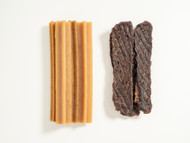
What's the Difference Between a Bully Stick and a Beef Stick for Dogs?
Posted by Greg C. on Sep 21, 2026
What's the Difference Between a Bully Stick and a Beef Stick?
Introduction
If you've ever stood in a pet store aisle wondering what the difference is between a bully stick and a beef stick, you're far from alone. Many dog owners assume these two terms describe the same product, but they actually refer to very different chew treats with distinct ingredients, textures, and purposes. This article breaks down every meaningful difference so you can make an informed choice for your furry friend.
The focus here is on ingredients, sourcing, processing, safety, nutrition, and which dogs each chew suits best. We won't dive deeply into unrelated options like rawhide chews or antlers, though we'll touch on them for context where helpful.
This guide is written for pet parents who prefer natural, simple chews and who may already buy bully sticks or "beef sticks" but feel confused by overlapping labels and marketing language.
Here's the short answer: a bully stick is a specific type of beef stick - a single-ingredient chew made entirely from beef pizzle. Most products sold as "beef sticks" are processed meat snacks (made for dogs or humans) that contain multiple ingredients and behave very differently as chews. Beef sticks and bully sticks share a familiar stick shape, but the similarities largely end there.
By the end of this article, you'll understand:
-
How bully sticks and beef sticks are made and what they're really made of
-
Key differences in texture, chew time, and digestibility
-
Which option fits puppies, senior dogs, and aggressive chewers
-
How to read labels and avoid misleading pet treats
-
How Bully Sticks Direct sources and recommends premium bully sticks and other natural chew options
Understanding Bully Sticks and Beef Sticks
Before comparing performance, nutrition, or safety, it helps to define both products precisely. The term "bully stick" carries a specific meaning in the pet industry, while "beef stick" is a broader - and often confusing - marketing term that can describe wildly different products.
What Is a Bully Stick?
A bully stick (also called a pizzle stick or steer stick) is a single-ingredient chew made from dried beef pizzle - the muscle tissue of a bull's penis. Bully sticks are made from 100% beef pizzle and, when sourced from reputable brands, contain no grains, fillers, or artificial preservatives. They are designed specifically as dog chews: fully edible, highly digestible compared to rawhide, and built for prolonged chewing sessions.
Quality bully sticks are high in protein and low in fat. Bully sticks contain 72–80% protein by weight, and they support muscle development and sustained energy without excess fat. The dense, fibrous texture means dogs gnaw through them slowly - a satisfying chewing experience that can last anywhere from 15 minutes to over an hour depending on thickness and your dog's chewing style.
Bully Sticks Direct offers a range of bully stick options to match any dog's size and chewing behavior: straight sticks, braided bully sticks, thick and monster sizes, and odor-free versions. Sizing runs from 4-inch sticks for small dogs to 32–36-inch sticks for large dogs and aggressive chewers. All are sourced from grass-fed, free-range cattle and undergo thorough quality control, including inspecting each bully stick before packaging.
What People Mean by "Beef Stick"
The label "beef stick" can refer to two very different products:
-
Human snack sticks (like Slim Jim–style cured meat snacks) that contain spices, salt, sugar, corn syrup, sodium nitrite, MSG, smoke flavoring, and other additives never intended for dogs.
-
Dog treats labeled "beef stick" that are ground, formed beef snacks - often containing beef meal, vegetable glycerin, peas, sweet potato, tapioca, chicken fat, sugar, natural smoke flavor, potassium sorbate, and other binders or preservatives.
In either case, the composition is fundamentally different from a bully stick. A processed dog treat beef stick may list ingredients like "beef, rice flour, glycerin, smoke flavor, preservatives," while a true bully stick lists only "beef pizzle." Many pet owners don't realize how different these ingredient panels are until they look closely.
Adding to the confusion, some brands casually refer to bully sticks as "beef sticks" or use the terms interchangeably. The only reliable way to know which product you're buying is to read the ingredient list. If it says "beef pizzle" and nothing else, you have a genuine bully stick. If there are additional ingredients, you have a processed beef stick treat.
Understanding exactly what each chew is made from and how it's processed is the key to seeing the real differences - which is what we'll cover next.
What They're Made From and How They're Processed
The ingredient source and processing method behind any dog treat directly determine its safety, nutritional value, and how it performs as a chew. This section compares the raw materials and manufacturing approaches for bully sticks vs. typical beef sticks.
Source Ingredients: Single-Ingredient vs. Mixed Formulas
Bully sticks are single-ingredient beef chews. The only ingredient is beef pizzle - no by-products, no binders, no fillers. Bully sticks are typically sourced from grass-fed cattle raised for human food production. Bully Sticks Direct, for example, uses grass-fed, free-range cattle and follows FDA-approved sourcing practices, prioritizing animal welfare and transparency.
Common dog beef stick treats, on the other hand, usually contain ground beef or beef by-products mixed with starches, vegetable glycerin, smoke flavor, preservatives (natural or synthetic), and sometimes sugar. A brand like Ultimates Jerky Beef Sticks for dogs, for instance, lists beef meal, peas, pea starch, sweet potato, tapioca, glycerin, chicken fat, sugar, natural smoke flavor, potassium sorbate, and rosemary extract - far from a single-ingredient product.
This distinction matters enormously for dogs with sensitive stomachs, for label transparency, and for pet owners who want minimally processed chews, when a treat contains only one ingredient, you know exactly what your dog is eating.
Processing Methods and Their Effects
Bully stick processing is straightforward but time-intensive:
-
Cleaning and trimming - bully sticks undergo thorough cleaning to remove impurities and excess tissue
-
Shaping - pizzles are stretched into straight sticks or braided into thicker configurations
-
Slow drying - the drying process takes 2–3 days at controlled temperatures (typically 165–195°F), gradually removing moisture, hardening the texture, and reducing bacteria.
-
Optional odor reduction - extended drying times and additional rinsing steps produce odor-free versions with a milder scent
Processed beef stick treats follow a very different path: meats are ground and mixed with other ingredients, extruded into uniform sticks or stuffed into casings, then cooked, smoked, or cured - often with sodium nitrite or other preservatives - for shelf stability.
These differences directly affect the final product:
-
Moisture and shelf life: bully sticks have very low moisture, making them firm and shelf-stable without preservatives; beef sticks retain more moisture and rely on curing agents for preservation
-
Texture: bully sticks are dense and require sustained gnawing; beef sticks are softer, more like jerky, and break apart quickly
-
Odor and flavor: bully sticks smell like natural beef (odor-free versions are milder); processed beef sticks often carry a smoked, seasoned aroma
These ingredient and processing differences lead directly to differences in chewing experience and nutrition.
Texture, Odor, and Appearance
Bully sticks have a natural, slightly irregular shape. They're very firm and fibrous when dry, then gradually soften as the dog chews, with the ends fraying into fibers that can help scrape plaque from teeth, promoting dental health through mechanical action. Bully sticks smell like natural beef; even odor-free versions aren't entirely scent-free, but the aroma is significantly reduced. Yes, bully sticks smell - it's part of their appeal to dogs, even if many dog owners find it less appealing themselves.
Most beef stick treats look uniform and smooth, almost sausage-like. They're softer, easily broken or torn, and designed to be consumed quickly rather than gnawed over time. Dog versions may have a mild smoky or meaty scent, while human snack sticks carry heavy seasoning aromas.
In short, bully sticks are long-lasting natural chews, while most beef sticks are high-value treats meant for quick consumption.
How Bully Sticks vs. Beef Sticks Perform as Chews
For most pet parents, the practical question is straightforward: which option lasts longer, keeps dogs engaged, and fits their dog's age and chewing habits? This section covers chew time, enrichment value, and nutritional impact.
Chew Time and Durability
Bully sticks are dense and designed for prolonged chewing sessions. Depending on stick thickness and a dog's chewing style, a single bully stick can occupy a dog for 15–60+ minutes. A standard 6-inch bully stick given to a moderate-chewing 30-pound dog might last 30–45 minutes - a genuine "project" chew that keeps your dog mentally focused.
Beef sticks are typically softer and meant for quick consumption. Even moderate chewers can finish a processed beef stick treat in a few minutes or less. They aren't built for the same kind of sustained engagement.
Factors that affect how long any chew lasts include your dog's size, jaw strength, and whether they're a patient nibbler or a "vacuum cleaner" who tries to inhale treats whole. Thicker bully sticks and braided versions last longer than standard bully sticks, making them better choices for aggressive chewers.
Enrichment, Stress Relief, and Behavioral Benefits
Sustained chewing on bully sticks offers real behavioral value. When dogs gnaw patiently on a dense chew, it helps relieve boredom and stress, redirects destructive chewing behavior onto an appropriate item, and provides genuine mental stimulation. For active dogs and high-energy breeds, bully sticks can be part of a daily enrichment routine that supports calmer behavior around the house.
Many pet owners use bully sticks within a chew rotation alongside tendons, gullet sticks, and braided chews to keep things interesting and prevent boredom.
Beef sticks, by contrast, function better as high-value training rewards or quick "special snacks." They deliver strong flavor but don't provide the same length of mental engagement or jaw workout. They're a dog treat, not a chew project.
Digestibility and Nutritional Profile
Well-made bully sticks are fully digestible. Unlike rawhide, bully sticks break down safely in a dog's digestive system and do not splinter, making them safer than many other chews. Bully sticks are high in protein and low in fat, making them a calorie-dense yet nutritionally straightforward addition to a dog's daily diet.
A 6-inch bully stick contains approximately 88 calories. For a 50-pound dog, that's roughly 9% of daily caloric needs - meaningful, but manageable. For small dogs, a single stick represents a much larger share of daily calories, so portion control matters.
Beef sticks have a variable nutritional profile depending on the ingredients used. Protein content may be lower (often 14–20%), fat content may be higher, and additions like sugar, starches, and glycerin add carbohydrates that a simple bully stick doesn't contain. Human beef jerky and snack sticks - with their high sodium, spices, and curing agents - are generally not appropriate as regular pet treats and can cause digestive upset.
The bottom line: bully sticks offer a dense protein source plus a long-lasting chew, while most beef sticks are primarily quick snack treats with less chewing value and more variable ingredient quality.
Practical Comparison: Bully Stick vs. Beef Stick at a Glance
To make the sticks-vs.-sticks comparison easier, here's a side-by-side breakdown of the key differences.
Side-by-Side Comparison Table
|
Criterion |
Bully Stick |
Typical Dog Beef Stick Treat |
|---|---|---|
|
Main Ingredient |
100% beef pizzle (single ingredient) |
Ground beef/mixed meats + starches, sweeteners, preservatives |
|
Texture & Chew Time |
Very firm, dense, fibrous; lasts 15–60+ minutes |
Softer, jerky-like; consumed in minutes |
|
Processing |
Cleaned, trimmed, slow-dried over 2–3 days; no additives |
Ground, extruded, cooked/smoked; includes preservatives and flavorings |
|
Typical Use |
Enrichment chew, dental aid, stress relief |
Training reward, high-value snack, quick treat |
|
Calorie Density |
~88 calories per 6-inch stick; ~15 kcal/inch |
Varies widely; per-piece calories may be lower, but added sugars inflate totals. |
|
Digestibility & Additives |
Fully digestible; additive-free |
Varies; may contain preservatives, flavorings, binders |
|
Best Fit |
Power chewers, medium dogs, large dogs needing sustained engagement |
Light chewers, training scenarios, dogs needing softer treats |
Bully sticks are built for natural, long-lasting chewing and deliver concentrated protein. Beef sticks function more as flavored, portable treats - useful in certain contexts but not a substitute for a real chew. And human beef sticks? Rarely an ideal everyday option for any dog.
When to Choose Each Type
-
Choose bully sticks for high-energy dogs, aggressive chewers, or any dog that needs long, satisfying chewing sessions and a natural, additive-free chew.
-
Choose beef stick treats as occasional training rewards or for dogs who can't manage firm chews due to dental issues or age.
-
Avoid heavily seasoned human beef sticks - the salt, spices, garlic, onion, and preservatives make them inappropriate as regular dog treats.
-
For dental health benefits, bully sticks are the stronger choice: their fibrous texture helps scrape plaque and tartar, promoting dental health and healthier gums.
-
Bully Sticks Direct specializes in premium bully sticks and other natural chews and does not recommend human beef snacks as dog chews.
Matching the Right Chew to Your Dog
Choosing between sticks and bully stick alternatives isn't just about product type - your dog's age, size, dental health, and chewing intensity matter just as much. This section turns the comparison into practical, dog-specific guidance.
Puppies and Senior Dogs
For teething puppies: Wait until your puppy has adult teeth (around 5–6 months) before offering firm chews. Introduce bully sticks gradually, starting with thinner bully sticks, bully rings, or softer natural chews like gullet sticks (made from beef esophagus and softer than bully sticks). Keep chewing sessions short and always supervised. Bully sticks are denser than gullet sticks and typically last longer, but gullet sticks make a gentler starting point for a puppy's developing jaw.
For senior dogs: Senior dogs benefit from continued chewing for dental health and mental stimulation, but dental wear and reduced jaw strength can make very dense monster bully sticks too much. Thinner bully sticks, beef tendon chews, or softer treats can provide the right balance. Some gentle beef stick treats with simple, vet-approved ingredients can also work for senior dogs who need something easier to manage.
Light, Moderate, and Power Chewers
Every dog has a distinct chewing style:
-
Light chewers (nibblers, many toy breeds): Thinner bully sticks in smaller sizes work well. Small dogs need 4–6 inch bully sticks for safe chewing. Beef stick treats are acceptable in tiny portions if ingredients are clean, but monitor closely to ensure pieces aren't swallowed whole.
-
Moderate chewers (steady chewers, most adult dogs): Standard bully sticks in 6–12 inch lengths are ideal. Medium dogs typically handle 6–12 inch bully sticks comfortably. Occasional beef stick treats are fine if desired but aren't necessary.
-
Power chewers (strong jaws, intense focus): Thicker bully sticks, braided options, or "monster" sizes are essential. Large dogs need 12-inch bully sticks for longer chewing sessions. Soft beef sticks disappear far too quickly for these dogs and offer almost no enrichment value.
A useful sizing rule: choose a bully stick 1.5 times longer than your dog's mouth to reduce the risk of gulping. Always remove bully sticks when they reach 2–3 inches to prevent choking hazards. A bully stick holder can add an extra layer of safety by keeping the end piece secure.
Sensitive Stomachs and Allergies
Even though bully sticks are single-ingredient chews, they are still beef - which means they're unsuitable for dogs with confirmed beef allergies. Beef sticks with mixed proteins and added ingredients increase the risk of triggering reactions further.
For dogs with sensitive stomachs:
-
Introduce only one new chew at a time.
-
Start with short chewing sessions and small portions.
-
Monitor for vomiting, diarrhea, itching, or other signs of digestive upset, and consult your vet if issues appear.
Not all bully sticks are the same quality - sourcing and processing matter. Bully Sticks Direct also offers alternative protein chews and collagen sticks that can be a better fit for dogs who can't tolerate beef.
Common Challenges and How to Avoid Them
Even the best chew treats come with potential pitfalls. Here's a quick problem–solution guide for the most common issues pet owners face.
Choking and Gulping
Some dogs - especially "vacuum cleaner" chewers - may try to swallow bully sticks or beef sticks whole or in large chunks. This is a real choking hazard.
Solutions:
-
Always supervise chewing sessions.
-
Choose an appropriately sized bully stick - longer than your dog's muzzle and thick enough to resist being swallowed.
-
Remove partially chewed sticks when they shrink to about 2–3 inches to prevent choking hazards.
-
Consider using a bully stick holder to secure the end piece and slow down fast chewers.
Too Many Calories
Both bully sticks and beef sticks can be calorie-dense and should be given in moderation. A 6-inch bully stick has about 88 calories - roughly 9% of a 50-pound dog's daily caloric intake, or up to 30% for a 10-pound dog. Many dog owners underestimate this impact.
Solutions:
-
Treat chews as part of your dog's daily caloric intake, not "free" extras.
-
For most dogs, limit bully sticks to a few times per week unless you adjust meal portions accordingly.
-
Reduce regular pet food portions slightly on chew days if your dog's weight is a concern.
Odor and Mess
Let's be honest: bully sticks smell. Natural beef aroma intensifies as your dog chews and saliva softens the stick. Many pet parents find this off-putting.
Solutions:
-
Choose odor-free bully sticks from Bully Sticks Direct, which undergo extended drying and additional rinsing to reduce scent.
-
Confine chewing to washable surfaces - a mat, crate, or designated chew blanket.
-
Store bully sticks in an airtight container; refrigerate or freeze partially chewed sticks if they'll be reused within a few days.
Confusing or Misleading Labels
Pet treat packaging sometimes uses terms like "beef stick," "pizzle stick," and "bully stick" interchangeably - or buries the true ingredients in fine print. Labels claiming "100% beef" or "natural" don't always mean single-ingredient.
Actionable tips:
-
Always check the ingredient list for "beef pizzle" if you want a true bully stick.
-
Avoid vague labels like "meat by-products" or treats with long lists of additives if you want single-ingredient chews.
-
Prioritize brands like Bully Sticks Direct that clearly state single-ingredient sourcing, processing methods, and quality control standards - including inspecting each bully stick before packaging.
Conclusion and Next Steps
The difference between a bully stick and a beef stick comes down to simplicity and purpose. Bully sticks are single-ingredient beef pizzle chews designed for long-lasting, natural chewing that supports dental health and mental enrichment. Beef sticks - whether made for dogs or humans - are usually softer, processed snacks containing multiple ingredients that act more like quick treats than true chews. Bully sticks do not splinter and are safer for dogs than many other chews, while beef sticks often contain fillers and preservatives, which offer less nutritional transparency. The "best" option depends on your dog's chewing style, health needs, and your preference for natural, preservative-free chew treats.
Your next steps:
-
Please audit your current treats and chews and check the ingredient labels to see which are true bully sticks vs. generic beef sticks.
-
Choose the right bully stick size based on your dog's weight and chew strength using Bully Sticks Direct's size guide.
-
Set a weekly chew plan that balances enrichment, calories, and rotation with other natural chews, such as tendons, gullet chews, and braided chews.
-
Discuss any special health or dental concerns with your veterinarian before changing chew routines.
If you want to explore further, related topics worth reading include bully sticks vs. rawhide, collagen sticks vs. bully sticks, and how to choose odor-free chews.
Frequently Asked Questions
These FAQs address quick, specific concerns about bully sticks and beef sticks that many pet parents search for.
Are bully sticks and beef sticks the same thing?
Not exactly. A bully stick is a specific kind of beef stick - one made entirely from beef pizzle with no other ingredients. Most products labeled "beef stick" are ground, processed snacks that contain multiple ingredients, such as starches, flavorings, and preservatives. Beef sticks and bully sticks are essentially the same product only when the beef stick in question is truly made from 100% beef pizzle. Always read the ingredient panel: if it lists only "beef pizzle," you have a real bully stick.
Can I give my dog human beef sticks or beef jerky?
This is generally not recommended. Human beef jerky and snack sticks contain high levels of sodium, spices (sometimes garlic or onion, which are toxic to dogs), smoke flavoring, sugar, and preservatives such as sodium nitrite. Most dogs might tolerate an occasional tiny bite, but these products are not appropriate as regular pet treats and can contribute to digestive upset or worse over time.
Which lasts longer: a bully stick or a beef stick treat?
Bully sticks almost always last significantly longer. Their dense, fibrous structure requires sustained gnawing, occupying many dogs for 15–60+ minutes. Most beef stick treats are softer and eaten in just a few minutes, even by moderate chewers. Bully sticks are designed for prolonged chewing sessions; beef sticks are designed for quick rewards.
Are bully sticks safer than beef sticks?
When properly sized and supervised, bully sticks are typically the safer option as chews. They are fully digestible, single-ingredient, and do not splinter. Bully sticks should be supervised to prevent choking hazards - especially as they shrink. Soft beef sticks pose a lower immediate choking risk but may contain more additives that can affect your dog's health over time. Neither product should be given unsupervised.
How often can my dog have a bully stick?
For most healthy adult dogs, a few bully sticks per week are appropriate when their calorie intake is factored into the overall diet. A 6-inch bully stick contains approximately 88 calories, so adjust meal portions on chew days as needed. Owners should consult their vet and tailor frequency to their dog's size, weight goals, activity level, and any dietary restrictions. Bully sticks are often marketed as a natural and healthy treat for dogs, but moderation is still key.
What bully stick options does Bully Sticks Direct recommend?
Bully Sticks Direct offers premium bully sticks in a range of sizes, thicknesses, and odor levels to match any dog's needs. For most medium dogs, a 6-inch standard bully stick is a solid starting point. For aggressive chewers or large dogs, thicker or braided options provide the extra durability needed. All products are sourced from grass-fed, free-range cattle, contain no artificial preservatives, and ship free within the U.S. Autoship savings are available for regular chewers, making it easy to keep your dog's chew rotation stocked.