When to Throw Away Bully Stick: Essential Guidelines for Dog Owners - Bully Sticks Direct
Posted by Greg C. on Jan 03, 2025
Do Bully Sticks Go Bad? When to Throw Away: Essential Guidelines for Dog Owners - Bully Sticks Direct
Knowing when to throw away a bully stick is vital for your dog’s safety. To avoid choking hazards, discard it when it shrinks to about 2.5-3 inches. The durability of bully sticks means they can last from several hours to several days, depending on your dog’s size, breed, and how aggressively they chew. For some dogs, especially strong or enthusiastic chewers, a bully stick may only last a few hours. This guide outlines the signs to watch for and best practices for safe chewing, including when to discard bully sticks.
Introduction to Bully Sticks
Bully sticks are a favorite among dog owners seeking a natural, long-lasting chew for their pets. Made from dried bull pizzle, these treats are a natural, protein-packed product that supports your dog’s muscle development and overall health. Unlike rawhide, bully sticks typically offer a safer and more digestible alternative, making them suitable for a wide range of breeds and chewing habits.
The durability of bully sticks means they can last from several hours to several days, depending on your dog’s size, breed, and how aggressively they chew. Larger dogs or those with stronger jaws may go through a stick more quickly, while smaller breeds or gentle chewers might enjoy their treat for longer. To ensure your bully sticks remain fresh and safe for your dog, proper storage is key. Keeping them in the right conditions not only maintains their flavor and texture but also extends their shelf life, so your furry friend can enjoy every last bite.
Key Takeaways
-
Discard bully sticks when they shrink to 2.5-3 inches to prevent choking hazards. For added safety, you can cut a bully stick in half to ensure it's the right size for your dog.
-
Monitor your dog's chew time to avoid swallowing large pieces and ensure safety.
-
Choose bully sticks appropriate for your dog's breed and chewing habits to maximize safety and enjoyment.
-
Use bully stick holders to keep the stick secure and reduce the risk of choking while chewing.
When to Throw Away Bully Stick: Essential Tips for Dog Owners
Knowing when to discard a bully stick is crucial for your dog’s safety. Regularly monitoring them for signs of spoilage, such as unusual odors, mold, or sliminess, is essential to protect your dog and prevent choking hazards. Typically, the stick should be thrown away when it shrinks to about 2.5-3 inches, making it easier to swallow whole and posing a choking hazard. Watch your dog while they chew to determine when the stick becomes too small.
Bully stick holders can significantly reduce the risk of choking by securing the stick and preventing your dog from swallowing the last portion. If you’re uncertain about a bully stick’s safety, replacing it with a new one is wise. Remember, bully sticks go bad if not stored properly, so always check for spoilage before giving them to your dog.
Bully sticks are not just treats but also fantastic natural chews for maintaining your dog’s health. These chews are made from beef muscle, specifically the pizzle of bulls, and are processed to remove moisture, ensuring they are safe, all-natural, and free from additives and preservatives. Proper quality control and natural sourcing are essential for bully sticks, ensuring the safety, freshness, and overall quality of the treats for your dog. Always make sure bully sticks are fresh and safe for your dog to consume by storing them in a cool, dry place and checking for signs of spoilage. One of the primary reasons dog owners love bully sticks is that they help keep their friends’ teeth clean by removing plaque and tartar, and stimulate their brains. Additionally, they are highly digestible, making them a safe treat for most dogs. Bully sticks are also rich in protein and can help maintain a dog’s strong muscles, healthy coat, and brain function.
The method of choosing the right bully stick for your dog should consider your dog’s age, breed, and chewing habits. A sturdier, longer stick can help prevent choking and ensure aggressive chewers get the most out of their chew. Puppy and senior dog age both affect stick choice, as puppies and older dogs might benefit from softer or smaller sticks that are easier on their gums and teeth. Bully sticks are suitable for puppies as teething treats and safe chews. When storing or serving bully sticks to young dogs, consider freezing them to provide a soothing effect during the teething phase, and always supervise your pup while chewing.
Adding bully sticks to your dog’s routine can help alleviate separation anxiety and boredom. These treats can provide hours of chewing entertainment and satisfaction for your furry friends. Dogs enjoy chewing, and a high-quality treat like a bully stick can keep them occupied and happy. However, monitor their chew time to ensure they don’t consume the stick too quickly. It’s important to keep track of how long bully sticks go before they become unsafe or spoiled, as deteriorated chews can pose health risks. Choosing high-quality bully sticks offers better health and safety for your customers and their dogs.
Identifying When a Bully Stick Becomes a Choking Hazard
It is essential to know when a bully stick becomes a choking hazard. Discard the stick when it shrinks to about 2.5-3 inches. It can then be easily swallowed whole, posing a significant risk of getting stuck in your dog’s throat.
Supervising your dog while they chew is crucial. This allows you to quickly identify when the stick is getting too small and needs to be taken bully stick away. If your dog does not finish the bully stick in one sitting, store the leftover portion properly to maintain freshness and safety for subsequent use. Bully stick holders can further enhance safety by securing the stick and preventing your dog from swallowing it whole.
Power chewers require extra caution. They can quickly chew through bully sticks, increasing the risk of choking if the stick is too small. Always choose a bully stick appropriate for your dog's size and chewing strength to minimize risks. Larger dogs, due to their stronger jaws and more aggressive chewing habits, may go through bully sticks faster, making it especially important to select the right size.
Signs of Wear and Tear on Bully Sticks
Bully sticks are durable but do show signs of wear over time. Recognizing these signs helps ensure your dog remains safe. One clear indicator is if the bully stick becomes excessively soft or mushy. This texture change suggests the stick is no longer safe to chew and should be discarded.
Fraying or splitting at the ends of a bully stick is another sign that it’s time to throw it away. These changes can create small, sharp pieces that might harm your dog’s mouth or digestive tract. A change in color, such as a dull or faded appearance, can also suggest that the bully stick is no longer safe.
Additionally, an unusual odor emanating from the bully stick is a warning sign that it may need to be discarded. While bully sticks naturally have a distinct odor, any strong or unpleasant odor means the stick is no longer fresh. Providing fresh bully sticks is important for your dog’s safety and enjoyment. Proper storage, such as keeping bully sticks in a resealable bag or freezing them, can help keep them odor free and maintain their freshness. If pests or mold are present, the bully stick should be discarded immediately. Minor changes in appearance or odor are not always cause for concern, but if you notice significant changes, it’s best to discard the bully stick to keep your pet safe.
Signs of Spoilage
Even the best bully sticks can go bad if not stored properly, so it’s important to check for signs of spoilage before giving one to your dog. If you notice an off or unpleasant odor coming from the stick, this could indicate it’s no longer fresh. Visible mold or any slimy, excessive moisture on the surface are also clear signs that the bully stick should be tossed immediately. These changes can indicate that the stick is harboring harmful bacteria or has begun to break down, making it unsafe for your dog to consume. Regularly inspecting your bully sticks ensures they remain safe, fresh, and enjoyable for your pet.
Expiration Date
The shelf life of bully sticks depends on various factors, including how they’re stored and handled. When stored properly in a cool, dry place, bully sticks can last up to two years, allowing you to stock up without worry. Always check the expiration date on the packaging before offering a stick to your dog, as this helps ensure maximum freshness and safety. Freezing bully sticks is another effective way to extend their shelf life and prevent bacterial growth. By following proper storage techniques and keeping an eye on expiration dates, you can make sure your bully sticks remain safe and delicious for your dog.
Monitoring Chew Time
Monitoring your dog’s chew time is vital for their safety and health. For dogs new to bully sticks, start with limited chewing sessions of five to ten minutes. This allows their digestive system to adjust and helps you observe their chewing habits. Gradually increase the chew time over the first week to ensure they’re comfortable and safe. Small dogs may put the bully stick down and pick it up again throughout the session, which can make the chew last longer.
Supervision during chew time is crucial. Watching your dog ensures they chew safely and don’t swallow large pieces, which could cause digestive issues or choking hazards. Swallowing large pieces or introducing bully sticks too quickly can lead to upset stomachs, especially in puppies, so always monitor closely and choose the right size and texture. Your dog’s saliva can soften the bully stick, making it easier to chew, but it may also increase the risk of breaking off large pieces. A daily chew session of about 30 to 40 minutes for adult dogs is generally sufficient to keep them engaged and help maintain dental health. For puppy owners, it’s essential to know how long your puppy should safely chew on a bully stick. Bully sticks not only help keep your dog’s teeth clean but also stimulate their brain.
Aggressive chewers may require additional supervision and shorter sessions to prevent them from quickly chewing through the stick. Encourage your dog to pull and chew on a frozen bully stick, especially for teething pups, as this stimulates active chewing behavior and helps soothe their gums. Ensure your dog has access to fresh water during and after their chew sessions to aid digestion.
Storage and Handling
To keep your bully sticks fresh and safe, store them in a cool, dry place away from direct sunlight and heat sources. Using airtight containers or resealable zip-top bags helps lock in freshness and prevent moisture from getting in, which can lead to spoilage or bacterial growth. It’s also important to keep bully sticks away from areas prone to bug infestations, as pests can contaminate the treats. After handling bully sticks, always wash your hands thoroughly to avoid transferring harmful bacteria to your dog or other surfaces. With proper storage and handling, you can ensure your bully sticks stay fresh and ready for your dog to enjoy.
Preventing Bacterial Contamination
Preventing bacterial contamination of bully sticks is crucial for your dog’s health. To preserve freshness and quality, always store bully sticks in a cool, dry place and use airtight containers or resealable bags. Proper storage and packaging are key to maintaining freshness, preventing spoilage, and keeping bully sticks safe for longer. Bully sticks can carry harmful bacteria like Salmonella if not handled or stored correctly, so it’s important to follow safe storage practices. Storing bully sticks in airtight containers or bags helps avoid exposure to air and contaminants, which can compromise their safety and shelf life.
Label the container or bag with the date when storing chewed bully sticks, as they can last up to two months if stored properly. For any uneaten portion of a bully stick, place it in an airtight container or bag and store it in the freezer for optimal freshness. Freezing bully sticks is an effective way to preserve their quality and can extend their shelf life up to two years. Always ensure the bully stick is thoroughly dried before storage to minimize bacterial growth.
Choosing bully sticks from reputable sellers who follow proper processing methods can significantly reduce the risk of harmful bacteria. Wash your hands after handling bully sticks to prevent the spread of bacteria. It is crucial to dry partially chewed sticks thoroughly before storage to avoid bacterial contamination.
Using an easy-to-clean bully stick holder can also help minimize bacterial contamination. Regularly cleaning the holder and ensuring it’s dry before use will keep your dog’s chewing environment safe and hygienic.
Using Bully Stick Holders for Safety
Bully stick holders are an effective way to enhance the safety of your dog's chewing sessions. These holders secure the bully stick, preventing your dog from swallowing the last portions whole and reducing the risk of choking. By keeping the stick in place, these holders make it easier for dogs to grip and chew safely.
Some bully stick holders feature rounded edges and raised sides to enhance safety during chewing. For power chewers, choosing a durable holder extends the chew's life and provides a safe chewing experience.
When purchasing bully sticks, consider a holder that fits your dog's chewing size and strength. This small investment can significantly enhance the safety and enjoyment of your dog's bully-stick sessions.
How to Dispose of Used Bully Sticks
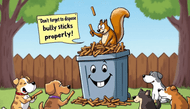
Properly disposing of used bully sticks is crucial to avoid health risks. Any bully stick that is past its expiration date or freshness should be discarded to ensure safety. When a bully stick shrinks to about 2.5-3 inches, discard it to prevent your dog from swallowing it whole. Throw used bully sticks in the regular trash to avoid contamination and potential health risks.
Ensure the used bully stick is securely wrapped before disposal to prevent bacterial spread. Proper disposal practices are the first step in keeping your dog’s environment clean and safe.
Signs Your Dog May Have Swallowed a Large Chunk
Recognizing the signs that your dog may have swallowed a large chunk of a bully stick is vital for their health. Swallowing a large piece can lead to choking or gastrointestinal blockage, which are serious health emergencies. Watch for signs of gastrointestinal emergency or choking, such as difficulty breathing, excessive drooling, or vomiting.
If you suspect your dog has swallowed a large piece or multiple pieces, take it to the vet or call for professional advice immediately. Depending on the severity of the blockage in your dog's stomach, possible treatments can include IV fluids, overnight monitoring, or emergency surgery. An upset stomach may also result.
Constantly monitor your dog during chew toy time to ensure they don't swallow large pieces and prevent these emergencies. Vigilance helps keep your furry friend safe and healthy with their dog chews, as dogs love their mouths and can be a source of concern during playtime.
Alternatives to Bully Sticks
If you’re looking to mix up your dog’s chew routine, there are several great alternatives to bully sticks that offer similar health benefits and durability. Options like deer antlers, raw meaty bones, and Yakers are all-natural chews that can help relieve boredom, reduce anxiety, and promote dental health in your furry friend. Each dog has a unique chewing style, so it’s important to monitor how your pet interacts with new chews and adjust accordingly to prevent choking hazards. Always choose chews that are appropriate for your dog’s size and breed, and consult your veterinarian to find the best options for your pet’s individual needs. By offering a variety of safe, healthy chews, you can keep your dog happy, engaged, and healthy.
Summary
In summary, bully sticks are a fantastic dog treat with numerous health benefits. However, monitoring your dog’s chewing time is crucial, as is recognizing signs of wear and tear and knowing when to discard the stick. It's important to pay attention to when bully sticks go bad or when sticks go from being safe to unsafe for your dog. Using bully stick holders can enhance safety, and preventing bacterial contamination is essential for your dog’s health.
By following these tips, you can ensure your dog enjoys bully sticks safely and healthfully. Always err on the side of caution and monitor your dog during their chew sessions to provide the best care possible.
Frequently Asked Questions
How long should I let my dog chew on a bully stick?
If your dog is an adult, let it chew on a bully stick for about 30 to 40 minutes. If it is new to chewing on a bully stick, start with 5 to 10 minutes and gradually increase the time.
How do I know when a bully stick is too small to use?
Once your bully stick is down to about 2.5-3 inches, toss it to avoid choking risks. Better safe than sorry!
Can bully sticks cause bacterial contamination?
If bully sticks are not stored properly, they can become contaminated with bacteria. To stay safe, dry them well and wash your hands after handling them.
What are bully stick holders, and are they necessary?
Bully stick holders keep the chew in place so your dog doesn't swallow it whole and choke. They're recommended for safety!
What should I do if my dog swallows a large chunk of a bully stick?
If your dog swallows a large chunk of a bully stick, don't wait—get to the vet right away or call for expert help. It's important to avoid choking or blockage.