



Description
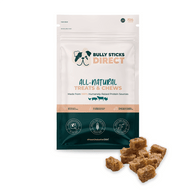
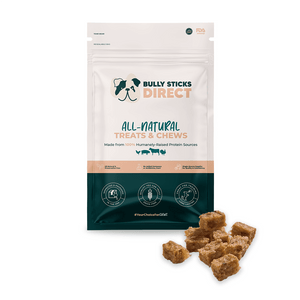
BSD's Goose Cubes are 100% goose meat pre-cut into bite-sized pieces — the highest-volume, most training-optimized format in the goose range. At 10.58 oz / 300 grams in a single bag, versus 8.81 oz for Goose Hearts, the cubes provide more total treat volume in a pre-portioned format that requires no breaking or preparation, with a lean muscle fat profile appropriate for daily use. For owners of allergy-managed dogs in active training programs — where the treat pouch needs a novel protein reward that can be delivered in under two seconds, held in the hand cleanly for 45 minutes, and relied upon to motivate consistently from the first repetition to the hundredth — the goose cube is the operational answer.
The distinction between pre-portioned and non-portioned formats matters more in practice than it sounds in description. During a structured training session — competition obedience, agility sequence work, scent work trials, field work, or simply reliable recall training — a trainer's hands are occupied. Pre-portioned rewards must be consistent enough to deliver without looking, not require breaking or sizing, and not leave residue that accumulates in the hand or pouch over a 45-minute session. Goose hearts meet some of these criteria, but are softer and more residue-producing when warm. Goose strips require breaking into pieces in the field. Goose cubes are pre-portioned, firm enough to handle cleanly at ambient temperature, and consistent enough to grab from a bait bag without looking. For trainers managing allergy dogs in competitive or intensive training contexts, this is the specific format that makes the logistics work.
The volume advantage serves a different need: the daily compliance requirement of long-term allergy management. Managing a dog's food allergy is not a one-time change — it is an ongoing protocol where every treat, every day, must fall within the approved protein profile. The 10.58 oz bag provides approximately 6–10 weeks of daily use for most dog sizes, depending on frequency. For owners maintaining a protein rotation protocol in which the goose occupies one week per month of the treat schedule, a single bag covers approximately 3 months of rotation use. The economics and logistics of stocking enough novel protein treats to run the protocol without running out mid-rotation favor a larger volume format — and the cube's pre-portioned consistency means every serving is calibrated without effort.
The daily compliance problem in allergy management — and why it's harder than owners expect: Most dog owners who receive a food allergy diagnosis for their dog succeed at changing the kibble. They fail at the treats. Not because they don't care — they care deeply — but because maintaining the treat protocol long-term requires a treat that is consistently available, consistently novel-protein appropriate, consistently motivating to the dog, and operationally simple enough to use without friction in daily life. When the novel protein treat runs out at the end of week 3 of the rotation,n and the owner doesn't have a replacement, they grab a familiar conventional treat from the pantry. That single event may not restart the sensitization clock, but the pattern of running out and improvising is how allergy management protocols fail over months. The 10.58 oz / 300g bag of Goose Cubes addresses this specifically: it is the largest-volume novel protein treat format in the BSD goose range, in the format (pre-portioned bite-sized cubes) most compatible with daily high-frequency use, at a quantity that provides 6–10 weeks of daily treats before requiring restocking. Autoship at the appropriate interval makes the logistics disappear entirely.
Allergy-Managed Breeds in Active Training — Why This Product Exists
The confluence of allergy prevalence and training activity defines exactly who Goose Cubes are designed for. Four breeds account for 40% of food-allergic dogs in dermatology practice: Golden Retrievers, German Shepherds, Labrador Retrievers, and West Highland White Terriers. Three of those four breeds are among the most popular working, sport, and performance dog breeds in North America. Labs are the #1 breed for search-and-rescue, guide dogs, and hunting retrievers. German Shepherds are the #1 police, military, and protection sport breed. Golden Retrievers are among the top service dog, therapy dog, and competitive obedience breeds. These are dogs that train multiple times per week — and whose owners need a training treat that serves both the performance requirement (high palatability, consistent delivery, reliable motivation) and the medical requirement (novel protein protocol integrity, no allergen contamination). Goose cubes meet both simultaneously.
Labrador Retrievers in training programs: Labs are among the most food-motivated training dogs in existence. They maintain reward engagement through long, demanding sessions. For Labs on beef-free allergy protocols, the training treat problem is acute — the highest-value conventional training treats are typically beef liver, beef lung, or chicken breast. Goose cubes provide comparable palatability in novel-protein status: Labs engage immediately and consistently with the goose scent and flavor, and maintain that engagement through multi-hour training blocks without the motivation decay that lower-palatability treats produce.
German Shepherds in sport and work: German Shepherds require high-value rewards to perform marker-trained behaviors in demanding environments reliably. For Shepherds on allergy management protocols that exclude beef and chicken, the training treat options narrow severely. Goose cubes — at the lean-muscle, palatability level that waterfowl meat naturally provides — give Shepherd sport trainers an appropriate, protocol-compatible training reward without compromising precision behavioral work.
Golden Retrievers in service and therapy work: Goldens in service dog training receive extensive food-based positive reinforcement across years of training. For Goldens with beef allergy or the genetic taurine-cardiac considerations associated with their breed, a high-volume, novel-protein training treat that can be used daily without protein contamination or cardiac nutritional concerns is specifically appropriate. Goose cubes provide volume for the training work and goose's novel protein status for the allergy protocol.
Training Use — Calorie Management Across Session Types
| Dog Weight | Standard Session (30 reps) | High-Rep Session (100 reps) | Daily Budget Use |
|---|---|---|---|
| Under 15 lbs | ~15–30 cal | ~50–100 cal — exceed daily budget: use halves | 1–2 whole cubes/day |
| 15–30 lbs | ~30–60 cal | ~100–200 cal — manage with halves | 2–4 whole cubes/day |
| 30–60 lbs | ~60–120 cal | ~200–400 cal — reduce kibble proportionally | 4–8 whole cubes/day |
| 60–90 lbs | ~90–180 cal | ~300–600 cal — training day meal adjustment needed | 6–12 whole cubes/day |
Calorie estimates based on approximate lean muscle goose meat at ~3.5–5 cal/gram per cube. Reduce kibble by the training calorie contribution on high-rep training days. For elimination diet protocols, track treat calories against the 10% daily guideline.
Enrichment Feeding Applications — Goose Cubes Beyond Training
For allergy-managed dogs who also benefit from enrichment feeding as part of anxiety, boredom, or behavioral management — and allergy dogs frequently have concurrent anxiety driven by chronic discomfort — the goose cube's consistent size and firm texture work across every major enrichment format:
Kong stuffing: Goose cubes pack into a Kong without needing to be softened. Alternate with moistened kibble layers for more complex extraction. For frozen Kongs (the gold standard for pre-departure separation-anxiety management): pack with cubes and a small amount of novel-protein-appropriate wet food, then freeze overnight.
Snuffle mats: Tear the cubes into smaller pieces or use them whole, depending on the mat's mesh size. The goose scent signal motivates sustained nose-work engagement even from dogs showing reduced interest in familiar protein-based scatter feeding.
Puzzle feeders: Cubes fit most commercial puzzle feeder chambers without modification. The consistent size ensures a reliable fit across different puzzle formats, without the variable sizing that hand-broken strips sometimes produce.
Training pouch carry: Firm texture and low moisture content mean goose cubes can be carried in a cloth bait bag for a full training session without significant residue or clumping — appropriate for handlers who need clean hands and consistently sized rewards throughout the session.
How to Use — Introduction, Protocols & Storage
First introduction: Give 2–3 cubes in the first session; monitor 24–48 hours for any GI response (loose stools, vomiting) or skin reaction. For dogs without food allergies, starting a rotation protocol: proceed to normal use after the first successful introduction. For dogs on active elimination diet trials: confirm with your veterinarian before introducing, then introduce at a controlled first dose before incorporating into the full training protocol.
During the elimination diet trial, Goose cubes may be used as the sole treat format if goose is confirmed appropriate for your dog's protocol. They must be the only treat — no other treats, no flavored medications, no flavored supplements. Keep the bag sealed and stored separately from conventional treats to prevent confusion during the protocol period.
Long-term rotation use: Use goose cubes as the designated rotation week in a monthly protein rotation protocol (see the rotation table in the Goose Strips description for a full protocol example). Autoship at monthly intervals maintains stock without running out between rotation cycles.
Storage: Reseal immediately after each use. Cool, dry location away from direct sunlight. Opened bag: consume within 3 months. Lean muscle meat treats are less moisture-sensitive than organ meat, but should still be kept from humidity. Do not refrigerate unless the bag has been open for extended periods in a warm environment.
Frequently Asked Questions
The cubes bag provides more total volume (300g vs. 250g) in a pre-portioned format optimized for operational training use. Hearts are organ meat — richer, higher palatability (consistently more motivating for most dogs), but softer texture that produces more residue in training pouches and hands over long sessions. Cubes are lean muscle — slightly less aromatic than organ meat but still reliably motivating, with a firmer texture that handles cleanly throughout a training session. For dedicated trainers who do multiple sessions per week and prioritize clean handling and consistent cube size: cubes. For owners wanting the highest single-piece palatability for jackpot rewards and the highest-value moments in training: hearts. For comprehensive allergy management programs: stock both. Use cubes as the standard reward throughout training sessions; use hearts as the jackpot marker for breakthrough performance.
Yes — with the confirmation that your Golden's allergy profile is specifically beef-reactive rather than pan-poultry-reactive. Golden Retrievers with beef allergy (the most common food allergen, at 34% of cases) can receive goose cubes without concern for beef cross-reactivity. However, Golden Retrievers with chicken allergy or documented poultry sensitivity may cross-react to goose via shared MLC-1 protein structures. Confirm with your veterinarian which proteins your dog reacts to specifically. For beef-allergic Goldens in competitive obedience: goose cubes provide consistent, pre-portioned, clean-handling, motivating rewards appropriate for high-rep precision training. The 10.58 oz bag provides weeks of daily training treat supply. Use at whole-cube or half-cube, depending on session length and calorie management needs.
Approximately 80–150 individual cubes, depending on cut size and natural size variation in the product. At approximately 3–5 grams per cube (goose meat varies naturally in density and size), a 300g bag contains roughly this range. Natural variation in piece size is inherent to any single-ingredient natural product — some bags will contain more small pieces and others more large pieces. The weight is guaranteed at 10.58 oz / 300g. For planning purposes, at 1 cube per training reward, approximately 80–150 training reward events per bag. At half-cube for small dogs: 160–300 events.
Yes. Frozen goose cubes work well in Kong-type toys. Pack cubes into the Kong, optionally adding a small amount of dog-safe novel-protein-appropriate wet food (goose-based or any confirmed-safe protein for your dog's protocol), seal the opening with a cube piece or a small amount of novel-protein wet food, and freeze overnight. The frozen cube Kong provides 15–30 minutes of sustained licking and extraction enrichment for most dogs — appropriate for pre-departure separation anxiety management, crate training, or any context where sustained enrichment without active supervision is needed. Frozen goose cubes are firm enough that the Kong maintains structure; they are not so hard that they become a tooth-fracture risk when partially frozen. Confirm that the goose protein is appropriate for your dog's allergy protocol before using it in frozen enrichment, as the Kong format is often used when the dog is left alone with the food item.
Instructions
Feeding Instructions :
Please monitor your dog while feeding these gourmet natural treats, they are fully digestible however, please always provide a fresh supply of drinking water for your pup.
Recommendations:
Store your bully sticks in the original zip lock bag under cool conditions