




Description
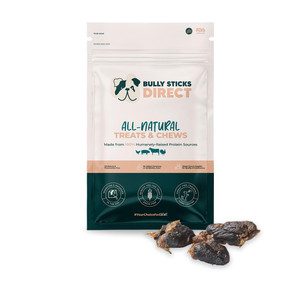
BSD's Goose Hearts are dried whole goose hearts — one ingredient, nothing else. No preservatives, no flavoring agents, no filler proteins, no "natural flavors" (a label term that legally permits any protein source to be listed under a single vague descriptor), no glycerin, no mixed-species meal. Just dried goose heart. For dogs whose owners are managing food allergies, running elimination diet protocols, or using protein rotation to prevent sensitivity development, this is one of the most clinically useful single-ingredient treats available: a novel protein that most dogs have never been exposed to, in an organ meat format that delivers among the highest nutrient concentration of any natural treat.
The heart is a uniquely positioned organ. Unlike the liver — which must be limited due to vitamin A concentration — or the kidney — which carries its own feeding cautions, the heart is technically a cardiac muscle rather than a secretory organ. It is composed of cardiac muscle tissue with an amino acid profile rich in taurine, coenzyme Q10 (ubiquinol), B-vitamins including B12 and B6, iron, and zinc. These are not minor trace compounds; they are the concentrated metabolic currency of the most continuously active muscle in any animal's body. The heart never rests, so it concentrates the compounds that sustain high-demand function, and those compounds transfer directly to the dog consuming the dried heart tissue.
The allergen angle is the reason most dogs with allergy management needs will encounter goose hearts. Beef is the #1 canine food allergen, appearing in 34% of confirmed food allergy cases, according to the BMC Veterinary Research systematic review. Chicken is #2–3, depending on the clinical dataset. Both proteins appear in virtually every conventional high-value training treat — beef liver, beef lung, beef heart, chicken breast jerky, chicken training bites. For dogs on beef-free or chicken-free elimination diets, the treat category effectively empties of high-palatability natural options. Goose hearts refill that category: high palatability through organ-meat scent and flavor concentration, single-ingredient for protocol integrity, and novel protein for zero prior sensitization risk.
The elimination diet treats problems — and why it breaks more protocols than owners realize: The 8–12 week supervised elimination diet is the only reliable diagnostic method for canine food allergy. Blood and skin allergy tests have only 40–60% accuracy for food allergens; the elimination diet is the gold standard. The protocol works by removing all known protein exposures and replacing them with a single novel protein that the immune system hasn't encountered. One bite of the wrong protein can trigger an allergic response that invalidates weeks of dietary restriction — the sensitized immune system does not require sustained exposure to react; only contact is required. The step most owners get wrong is treats. The food is easy — switch the kibble to a novel protein formula. The treats are hard — because the treat market is dominated by beef jerky, chicken bites, and duck strips, leaving very few single-ingredient novel protein options with the palatability to compete as high-value training rewards. Goose hearts solve this specifically: organ meat palatability (consistently higher value than muscle meat treats for most dogs), single-ingredient protocol integrity, novel-protein status for beef and lamb allergen profiles, and a 250g bag that provides weeks of training rewards without running out mid-protocol.
The Breeds Most at Risk — and Why Goose Hearts Are Specifically Relevant for Them
Four breeds account for 40% of all food-allergic dogs seen in veterinary dermatology referral practice: Golden Retrievers, German Shepherds, Labrador Retrievers, and West Highland White Terriers. Each has a documented genetic basis for an elevated risk of allergy. Understanding why each breed specifically benefits from goose hearts:
Labrador Retrievers: Genetically predisposed to produce elevated IgE — the antibody class central to allergic responses. Food allergies to beef, chicken, and soy are common and frequently manifest as chronic ear infections, paw licking, and hot spots. Labs on beef-based bully sticks or beef-based treats accumulate cumulative beef exposure over the years, which can drive sensitization. For beef-allergic Labs, goose hearts are the highest-palatability single-ingredient novel-protein training reward available. Labs are highly food-motivated and respond strongly to organ-meat scent signals even when on restricted-protein protocols.
Golden Retrievers: Among the most atopy-prone breeds, with both food and environmental allergens contributing to their allergy burden. Beef and poultry (note: Golden Retrievers with poultry allergy should have goose confirmed with their veterinarian before introduction) are common food triggers. Goldens also have documented taurine-related dilated cardiomyopathy in a subset of the population — the taurine content of goose hearts makes them nutritionally relevant for this breed beyond allergen avoidance alone.
West Highland White Terriers: Famous for skin issues, including food-responsive dermatitis. Beef and chicken are common triggers. Westies, in particular, can benefit from using goose hearts as a high-value training reward without compromising the allergy management protocol.
German Shepherds: Food allergies commonly manifest as both skin and GI symptoms in Shepherds — chronic loose stools, flatulence, and skin issues appearing together suggest a food component. Beef and chicken are documented common allergens. German Shepherds are highly training-oriented dogs, and maintaining training reward motivation during an allergy elimination protocol is important — goose hearts' high palatability helps maintain that motivation without beef or chicken.
Cocker Spaniels: Both American and English Cocker Spaniels have documented food allergy predispositions and concurrent taurine-associated cardiomyopathy risk. Goose hearts address both concerns in a single treat: novel protein for allergy-managed Cockers, taurine from cardiac muscle for the cardiac support angle their breed warrants.
Boxers: High allergy rates overall, with notoriously sensitive skin. Chicken is a common allergen. Boxers also have a breed-specific risk of dilated cardiomyopathy, making taurine-rich cardiac muscle treats (like goose hearts) worth considering as a regular component of their treat rotation.
Taurine — Why Cardiac Muscle Is the Whole-Food Source That Matters
Taurine is an amino acid — technically a sulfonic acid derived from cysteine — that is not used in protein synthesis but functions critically in cardiac muscle contraction, neurological function, retinal health, and bile salt conjugation. Unlike most amino acids, taurine is not stored in standard muscle tissue at high concentrations; it concentrates specifically in tissues with high metabolic demand, particularly the heart. Heart tissue from any animal species contains among the highest dietary taurine concentrations available in a natural food source.
The relevance for dogs became clinically prominent when the FDA investigated potential dietary links to canine dilated cardiomyopathy (DCM). This cardiac disease causes the heart muscle to weaken and enlarge. While the investigation raised questions about grain-free diets and certain protein combinations, veterinary cardiologists noted that insufficient dietary taurine may be a contributing factor in some cases, particularly in breeds with lower endogenous taurine synthesis capacity. Breeds such as Golden Retrievers, Cocker Spaniels, Doberman Pinschers, and Boxers have been shown to have documented associations between taurine status and cardiac health.
Goose hearts, as cardiac muscle, provide taurine in its naturally occurring form — not as a synthetic supplement added to a commercial product, but as the compound present in goose heart tissue because the goose heart uses it for sustained cardiac contraction throughout the animal's life. For owners of taurine-susceptible breeds who want to support taurine intake through whole-food sources rather than isolated supplements, regular inclusion of goose hearts in the treat rotation is a nutritionally meaningful choice.
Organ Meat vs. Muscle Meat — Why Hearts Deliver More per Gram
Standard skeletal muscle meat (beef jerky, chicken breast strips, turkey muscle treats) is high in protein but uniform in micronutrient profile. The muscle cells that make up skeletal muscle are metabolically simpler than organ cells — they contract on demand but are not constantly active. Organ tissue concentrations micronutrients in proportion to the organ's metabolic demands. The heart is the most continuously active muscle in the body — it contracts roughly 100,000 times per day for the animal's entire life without rest. That demand is reflected in the micronutrient concentration of heart tissue: higher taurine, higher CoQ10 (coenzyme Q10, the electron carrier in cellular energy production), higher B12 (essential for energy metabolism and neurological function), higher iron (from the myoglobin in cardiac muscle that stores oxygen for constant aerobic demand), and higher zinc than skeletal muscle from the same species.
The organ meat feeding guideline — keeping organ meat to 10% of the daily diet — exists because liver contains very high vitamin A concentrations that cause toxicity at excessive doses. Heart is substantially more permissive: cardiac muscle has much lower vitamin A than secretory organs, meaning it can be included more freely within normal treat protocols without triggering the vitamin A ceiling that limits liver feeding. For owners who want organ meat nutrition without managing the strict feeding limits of liver, heart — and specifically goose heart as a novel protein format — is the practical solution.
Daily Use and Calorie Guide by Dog Weight
| Dog Weight | Daily Cal Budget (10%) | Approx. Pieces/Day | Training Session Use |
|---|---|---|---|
| Under 10 lbs | 20–30 cal | 1–2 whole pieces | Break into halves — 4–6 reward events |
| 10–25 lbs | 40–65 cal | 2–4 whole pieces | Halves for standard rewards; whole for jackpots |
| 25–50 lbs | 65–120 cal | 4–8 whole pieces | Whole pieces for standard rewards |
| 50–80 lbs | 120–180 cal | 6–12 whole pieces | Whole pieces; 2–3 as jackpot markers |
| Over 80 lbs | 180–250+ cal | 10–15+ whole pieces | Volume allows full-session training use |
Calorie estimates based on approximate organ meat caloric density of ~4–5 cal/gram. Adjust based on your dog's total daily intake and activity level. Reduce kibble proportionally on training-heavy days.
How to Use — Training, Elimination Protocols & Storage
For training rewards: Goose hearts work as both standard repetition rewards (halved or quartered for small dogs or high-rep sessions) and as jackpot markers for exceptional performance (whole hearts given at the conclusion of successful training blocks). The organ meat scent profile — richer and more complex than that of skeletal muscle treats — produces reliable, consistent motivation even in dogs showing reduced enthusiasm for familiar conventional treats. For dogs transitioning from beef liver or chicken treats during an allergy elimination protocol, goose hearts are the preferred format, as they maintain motivation without sacrificing protocol integrity.
For elimination diet protocols: Before introducing, confirm with your veterinarian that goose is appropriate for your dog's specific allergen profile. Goose is appropriate for beef-free, dairy-free, wheat-free, and lamb-free protocols. For chicken-free or pan-poultry protocols, confirm with your veterinarian due to MLC-1 cross-reactivity between bird species. Introduce 1–2 pieces in the first session; monitor 24–48 hours before proceeding to normal use. During the active 8–12 week trial, goose hearts must be the only treat format given — no other treats, no flavored medications, no flavored joint supplements.
Storage: Reseal bag after every use. Organ meat treats are slightly more moisture-sensitive than muscle treats due to higher fat content. Store in a cool, dry location away from humidity and direct sunlight. Opened bag: consume within 2–3 months. Do not refrigerate (condensation can promote mold) unless the bag has been open for more than 2 months in a warm environment.
Frequently Asked Questions
Possibly — and the question is exactly right to ask. Labrador Retrievers are genetically predisposed to elevated IgE production, giving them a lower sensitization threshold than average dogs. Beef is the #1 canine food allergen (34% of confirmed cases per BMC Veterinary Research). Labs given beef bully sticks daily for years accumulate substantial cumulative exposure to beef protein — the mechanism that drives sensitization. Year-round itching concentrated on paws, ears, and belly that doesn't correlate with pollen seasons, combined with recurrent ear infections, are the primary signs of food allergy. Consult your veterinarian for an 8–12 week elimination diet trial — it is the only reliable diagnostic method. If the trial is beef-free specifically, goose hearts are an appropriate treat during the protocol. If the trial improves your dog's symptoms, you will know the beef was contributing, and goose hearts become a permanent part of the treat rotation alongside the beef bully sticks you resume after re-challenge or replace with non-beef alternatives.
Yes. Beef allergy is an IgE-mediated response to beef proteins — there is no known cross-reactive protein structure shared between goose and beef. They are from entirely different biological classes (avian vs. bovine) and lack homologous protein sequences that would trigger a cross-reactive immune response. Dogs with confirmed beef allergy, dairy allergy, wheat sensitivity, or lamb allergy can receive goose hearts without concern about allergen cross-reactivity with their known triggers. Goose hearts are among the very few high-palatability organ meat training treats that are completely appropriate for beef-allergic dogs.
Not without veterinary guidance. The MLC-1 protein (myosin light chain 1) is a major chicken allergen. It has been confirmed to cross-react with turkey, duck, and goose by mass spectrometry research published in the Allergy Journal International. Dogs with confirmed chicken allergy may produce IgE antibodies that cross-react with goose MLC-1. Whether your Golden's specific chicken allergy extends to goose depends on which chicken proteins she reacts to — some chicken-allergic dogs tolerate duck and goose; others react to all poultry. Your veterinarian or a veterinary dermatologist can advise whether goose is appropriate to test. If the elimination diet that identified her chicken allergy excluded all poultry, goose is likely cross-reactive for her. If it excludes only chicken and she tolerates duck without reaction, goose may be manageable — but confirm before introducing.
Apply the organ meat guideline: organ meat (all types combined) should not exceed approximately 10% of daily caloric intake. Goose hearts are organ meat — calorie-dense relative to their size. The table above provides specific guidance by dog weight. For most dogs, 2–8 pieces per day, depending on size, is appropriate within the 10% guideline. Heart is more permissive than liver — it lacks the high vitamin A concentration of secretory organs, meaning you don't need to apply the same strict daily cap that liver requires. Still, organ meat feeding guidance exists for good reason; use the 10% calorie guideline rather than feeding to appetite.
For dogs on beef-free elimination diets, beef liver contains the allergen the protocol is trying to eliminate — it cannot be used. But beyond allergen avoidance, goose heart also offers a genuinely distinct nutritional profile: higher taurine (cardiac muscle vs. secretory organ), a different B-vitamin distribution, and a different fatty acid profile compared with avian vs. bovine sources. For dogs transitioning from beef liver as their primary high-value training reward, goose hearts are the closest functional equivalent in terms of palatability, organ meat nutrient density, and training motivation — delivered in a beef-free, single-ingredient format that maintains full protocol integrity.
Yes — provided goose is confirmed appropriate for your dog's specific protocol. For beef-free, dairy-free, and wheat-free elimination trials, goose hearts serve as the sole treat format effectively. They provide enough palatability to motivate through full training sessions, enough volume (8.81 oz / ~250g) for 4–8 weeks of daily treat use, depending on dog size, and a clean, single-ingredient composition that introduces no allergen contamination risk. During the trial: no other treats, no flavored medications, no table scraps. If your dog takes flavored heartworm prevention or joint supplements with meat flavorings, discuss alternatives with your veterinarian for the duration of the trial — even small exposures can invalidate the protocol.
Instructions
Feeding Instructions :
Please monitor your dog while feeding these gourmet natural treats, they are fully digestible however, please always provide a fresh supply of drinking water for your pup.
Recommendations:
Store your bully sticks in the original zip lock bag under cool conditions